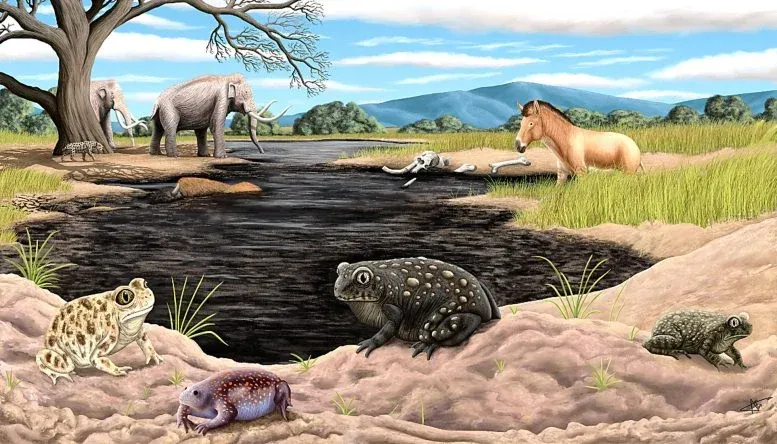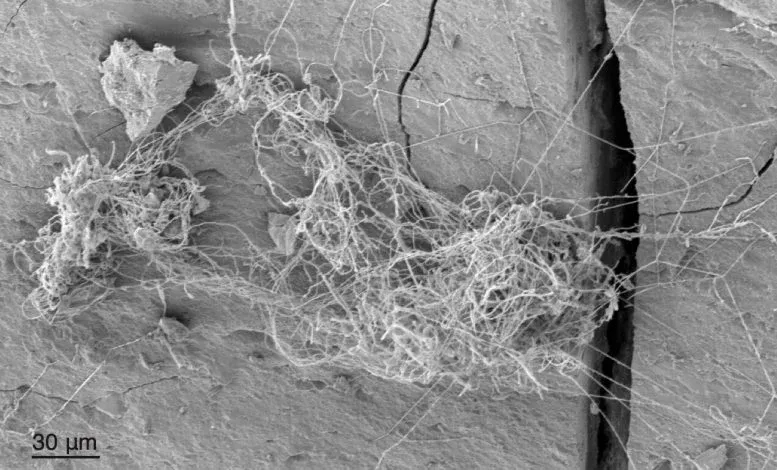
Far beneath Michigan, scientists have found a hidden world of fungi. Water trapped in ancient rock, 1,640 feet underground, holds a surprisingly diverse community of these organisms. This discovery suggests that fungi are much more common deep underground than previously thought.
A Thriving Underground Ecosystem
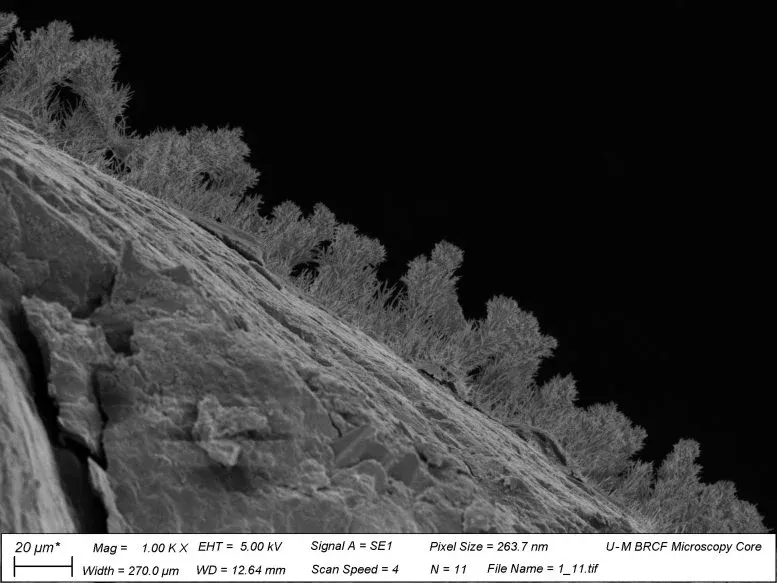
University of Michigan researchers, led by doctoral candidate Quinn Moon, found 689 different fungal species in water samples from gas wells. Thirteen of these species had never been described before. This study is the first to successfully measure how many fungi live so deep below the surface.
Genetic tests and microscopy showed that a single drop of this underground water can contain as many fungal cells as a drop of seawater. Researchers estimated about 250 fungal cells per drop. This means an Olympic-sized swimming pool could hold over 12 trillion fungal cells.
We're a new kind of news feed.
Regular news is designed to drain you. We're a non-profit built to restore you. Every story we publish is scored for impact, progress, and hope.
Start Your News DetoxThe samples also contained other complex creatures like tardigrades (water bears) and tiny segmented worms. This suggests a complex food web exists underground, where some organisms eat others, and some might be parasites.
Moon explained that this study challenges the idea that deep underground environments are too harsh for complex life like fungi. She believes scientists might be greatly underestimating the total number and variety of fungi on Earth because they haven't included these deep subsurface areas in their calculations.
Tim James, a professor at the University of Michigan and senior author of the study, noted that the Canadian Institute for Advanced Research (CIFAR) helped fund this work. CIFAR brought together Earth scientists and fungal biologists to explore if fungi could live in deep parts of the planet.
How Life Got There
Researchers looked for these organisms in the Antrim Shale, a rock formation rich in organic material beneath the Great Lakes region. They collected water from gas wells that reached between 650 and 1,640 feet into the shale.
By studying stable isotopes in the water, scientists determined that much of this underground water likely came from ice sheets that melted in Michigan about 11,000 years ago, at the end of the last Ice Age.
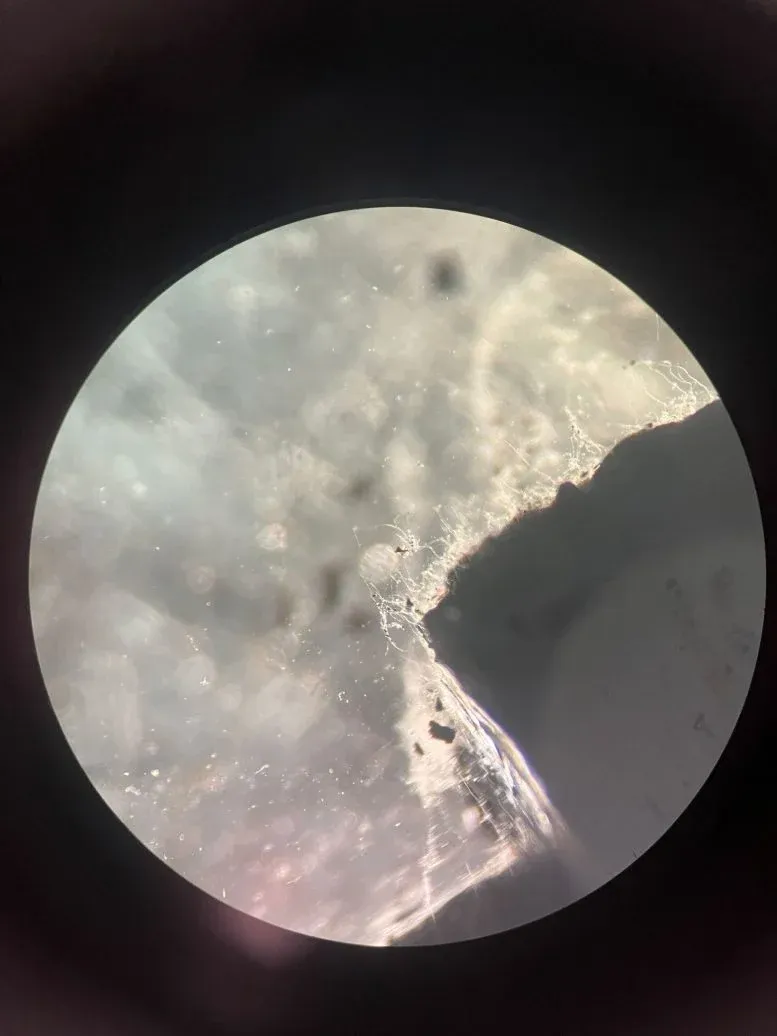
As glaciers melted, water probably carried fungi and bacteria down through cracks and porous rock layers. These organisms then settled into the Antrim Shale and began to consume the ancient organic material found there. Measurements of carbon dioxide and methane further supported the idea that this old material fuels the underground ecosystem.
Moon noted that for a long time, there wasn't much proof that complex life forms like eukaryotes could be abundant deep underground. While environmental DNA had shown traces, these were often thought to be temporary or inactive.
Impact on Carbon Models
Similar ecosystems might exist in deep rock formations worldwide, including those with oil and gas. These areas could harbor unknown communities of fungi and other eukaryotes (organisms with cells containing nuclei).
Their presence could change how researchers think about carbon stored underground. Carbon in rock is often considered safely locked away. However, fungi, bacteria, and other organisms might convert some of this ancient material into gas. If so, underground carbon could be more biologically active than current estimates suggest.
James emphasized that fungi need to be included in models that track carbon cycling and storage deep within the Earth.
The researchers have isolated and grown over 200 types of fungi from the deep subsurface. Studying these organisms could help us understand how fungi survive extreme conditions, how hidden ecosystems work, and how biological activity affects carbon in Earth's crust.
This collection of specimens is now the first publicly available collection of deep subsurface fungi, stored at the University of Michigan Herbarium. Moon described the discovery as opening a window into a dark, ancient, and mostly hidden world that is surprisingly full of life.
Deep Dive & References
Deep subsurface organic-rich shale supports abundant, diverse, and novel fungi - The ISME Journal, 2026