Turns out, your fancy cheese board isn't just a delight for your taste buds; it might also be a secret weapon for your gut. Scientists just pulled back the rind on British artisan cheeses and found entire bustling bacterial communities doing far more than just crafting flavor. They're potentially delivering a probiotic punch.
We all know cheesemaking is a bit of a microbial marvel — tiny organisms munching on milk sugars, proteins, and fats, conjuring up those distinct tastes and textures. But new research is suggesting some of these microscopic residents might actually improve your gut health, making that cheddar more of a health food than you ever suspected.
The Unseen World in Your Wedge
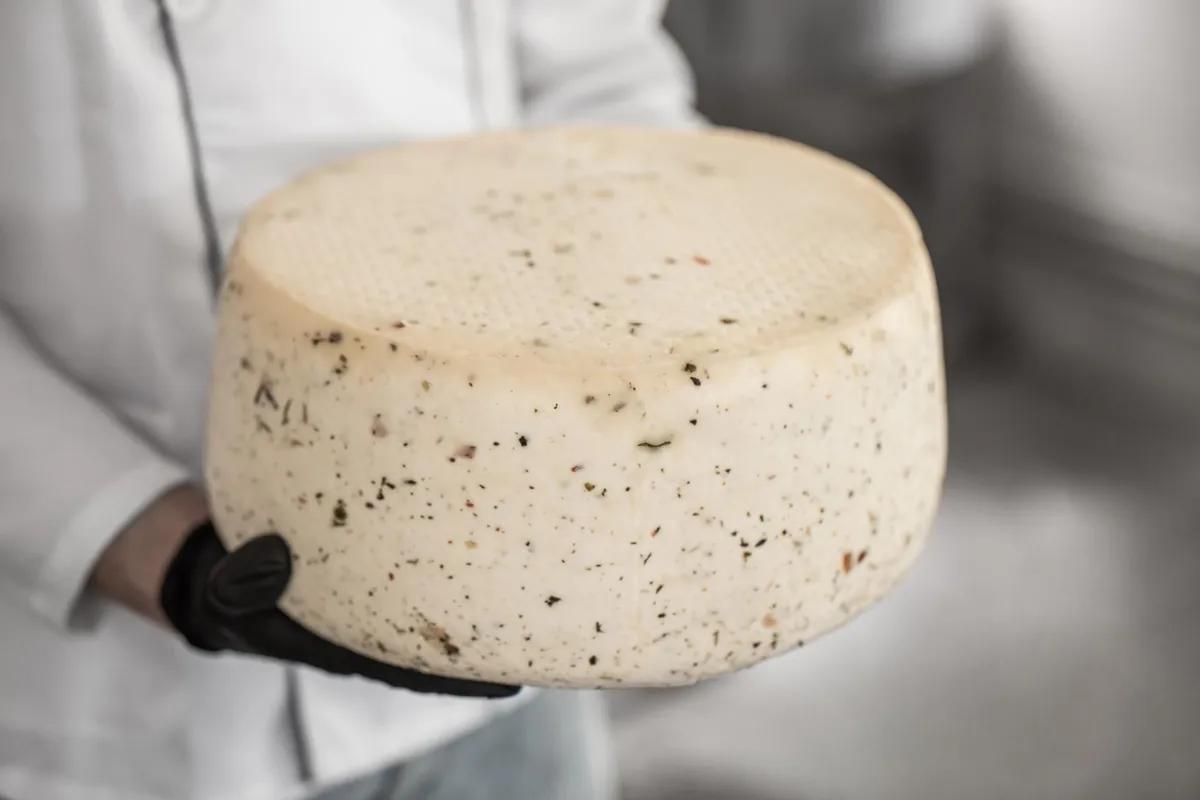
Researchers at the University of Reading took a deep dive into three artisan cheeses from Nettlebed Creamery in Oxfordshire. Their mission? To track the microbial drama and chemical transformations as these cheeses aged gracefully. It’s like a microscopic reality show, revealing how fermentation builds a cheese's entire personality.
We're a new kind of news feed.
Regular news is designed to drain you. We're a non-profit built to restore you. Every story we publish is scored for impact, progress, and hope.
Start Your News DetoxThe study, published in ACS Food Science & Technology, examined a trio of cheesy characters:
- A soft white-rind cheese, barely old enough to vote (just over a week).
- A washed-rind semi-soft cheese, with a few weeks under its belt.
- A semi-hard cheese, chilling in hay for a solid nine months, clearly living its best life.
Sabrina Longley, a lead researcher (and also a cheesemaker herself, because who better?), explained that good artisan cheeses are absolutely teeming with microbial life. And here’s the kicker: these microbes could be fantastic for your gut. The fats and proteins in cheese might even act as tiny armored vehicles, protecting these beneficial bacteria as they make their journey through your digestive system. Basically, cheese as a delicious probiotic delivery system. Let that sink in.
Bacteria You Actually Want to Invite to Dinner
The scientists sampled the cheeses at various stages, mapping out the bacterial populations and chemical changes. What they found was a microscopic party full of potential probiotics.
Each cheese contained bacteria already known for their gut-friendly potential. Streptococcus thermophilus, a star in many yogurts, held its own in the semi-soft and harder cheeses. And Lactococcus lactis? That one was a consistent guest across all three cheeses, from start to finish.
The washed-rind and hay-aged cheeses also brought Propionibacterium freudenreichii to the table. This little overachiever produces propionic acid, which has been linked to reducing inflammation, lowering cholesterol, and even helping with appetite control. Which, if you think about it, is both impressive and slightly terrifying for your next cheese binge.
And for those who are all about that rind life, there's more good news. The white mold Penicillium candidum, responsible for the soft cheese's lovely crust, produces chitin. Chitin is a dietary fiber that acts as a prebiotic – essentially, it’s gourmet food for the good bacteria already in your gut. So, eat your rind, folks.
It seems aging the harder cheese in hay was particularly beneficial, increasing its microbial diversity almost fourfold by the nine-month mark. And for the lactose-intolerant among us, rejoice: the lactose in all three mature cheeses was almost entirely gone, broken down by the diligent lactic acid bacteria during fermentation. One less thing to worry about.
Of course, more research is needed to fully map out how these bacteria perform their magic once they hit your gut. But for now, it’s a pretty compelling reason to reach for that artisan wedge. For science, obviously.