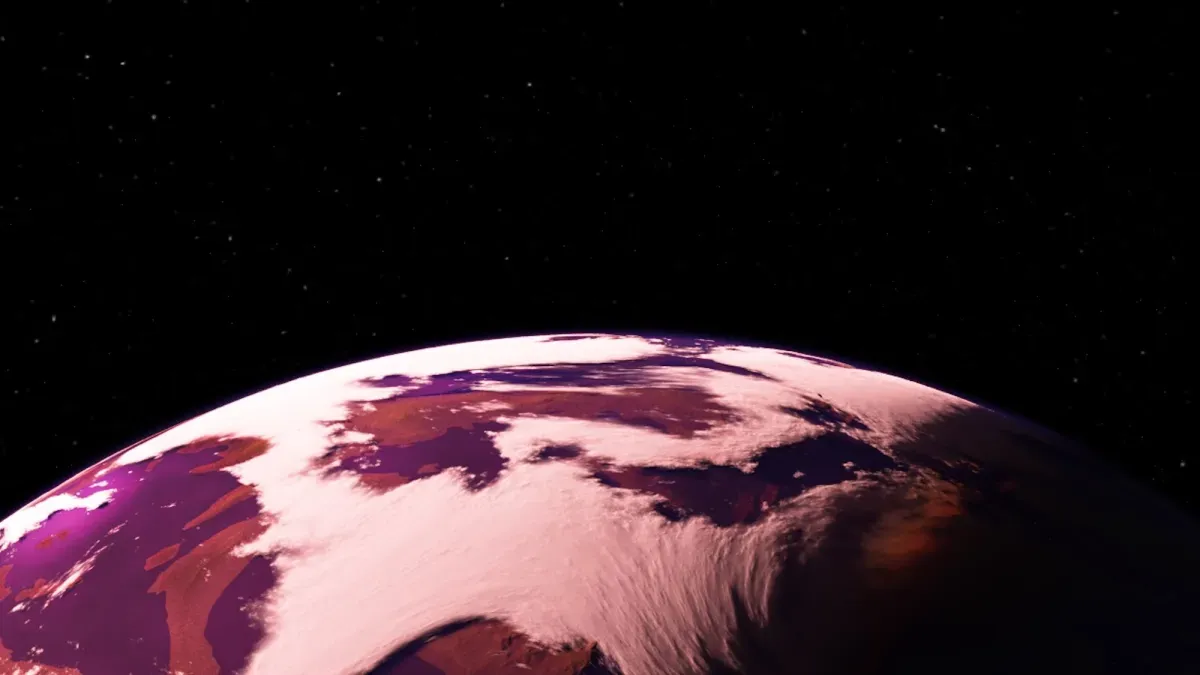
Out of over 6,000 planets found outside our solar system, only 45 rocky worlds might actually support life. That's right, a new list from Cornell University's Carl Sagan Institute just seriously narrowed down the search for alien neighbors.
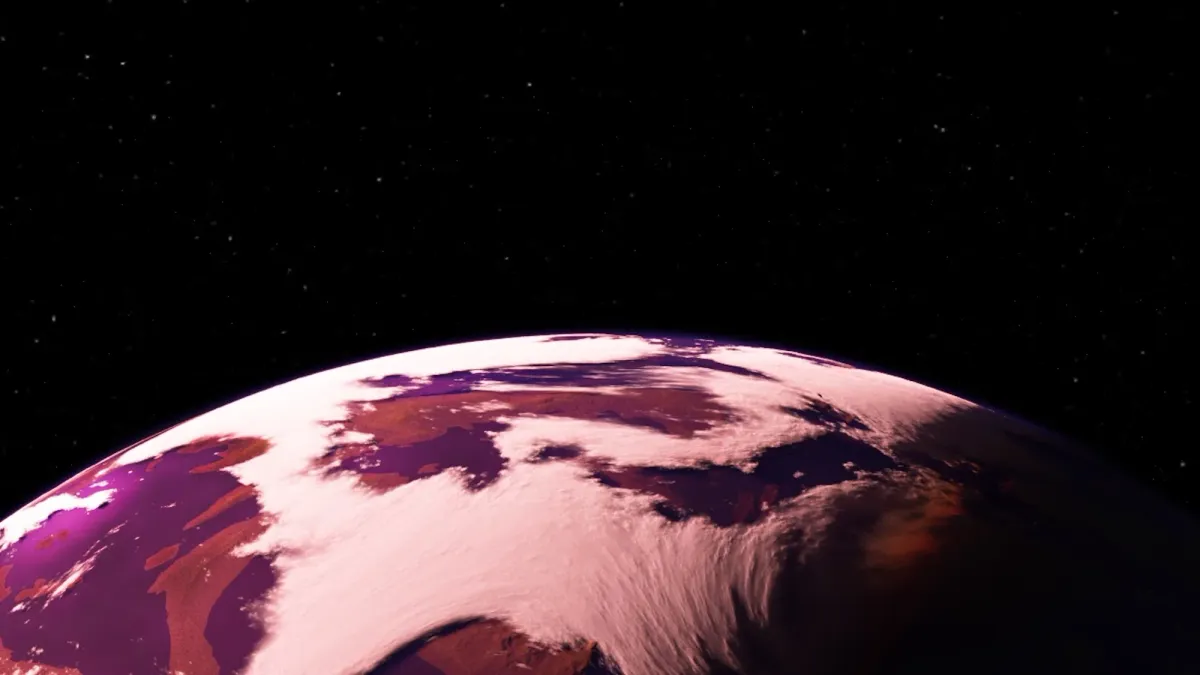
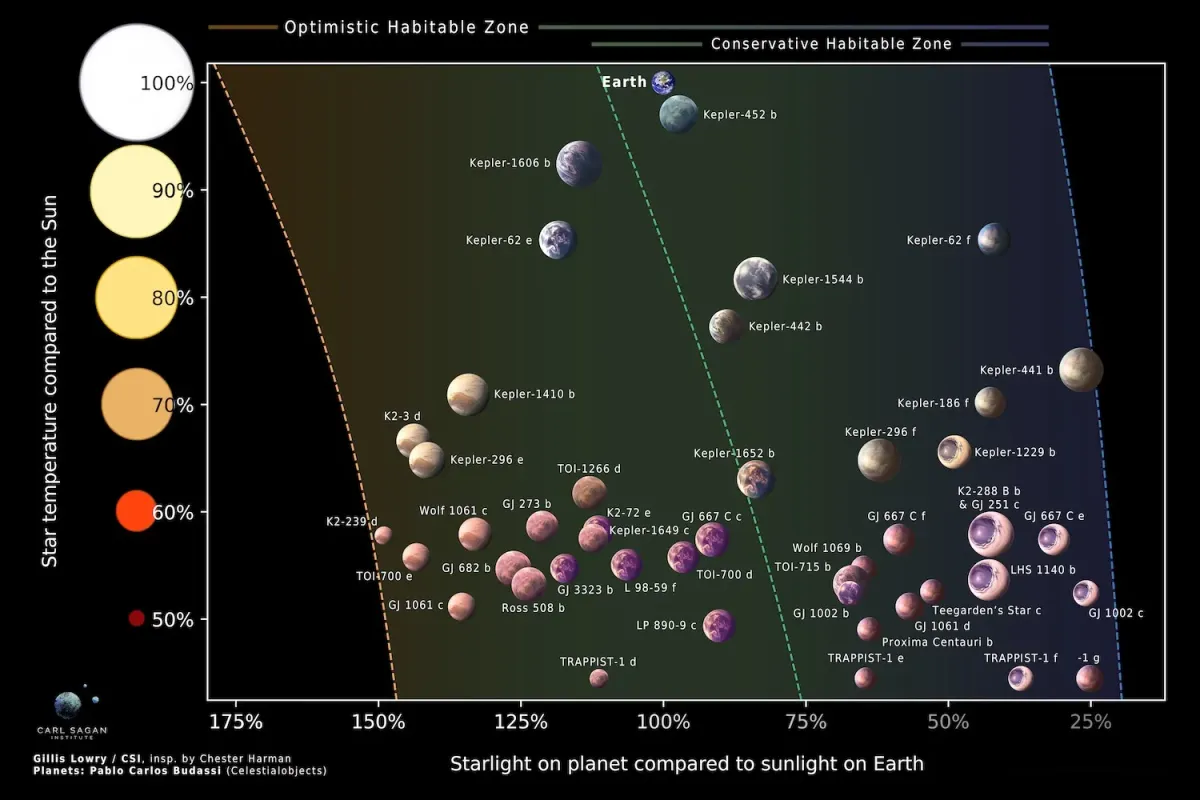
Most of the planets we've spotted are either too hot, too cold, or just plain inhospitable. But these 45 are in the "Goldilocks zone" around their stars. That means they're just the right distance for liquid water to exist on their surface. Think of it like Earth's perfect spot around our sun. If scientists use a slightly stricter definition, that number drops to 24. Still, finding even a few dozen potential homes for life out there is pretty nuts.
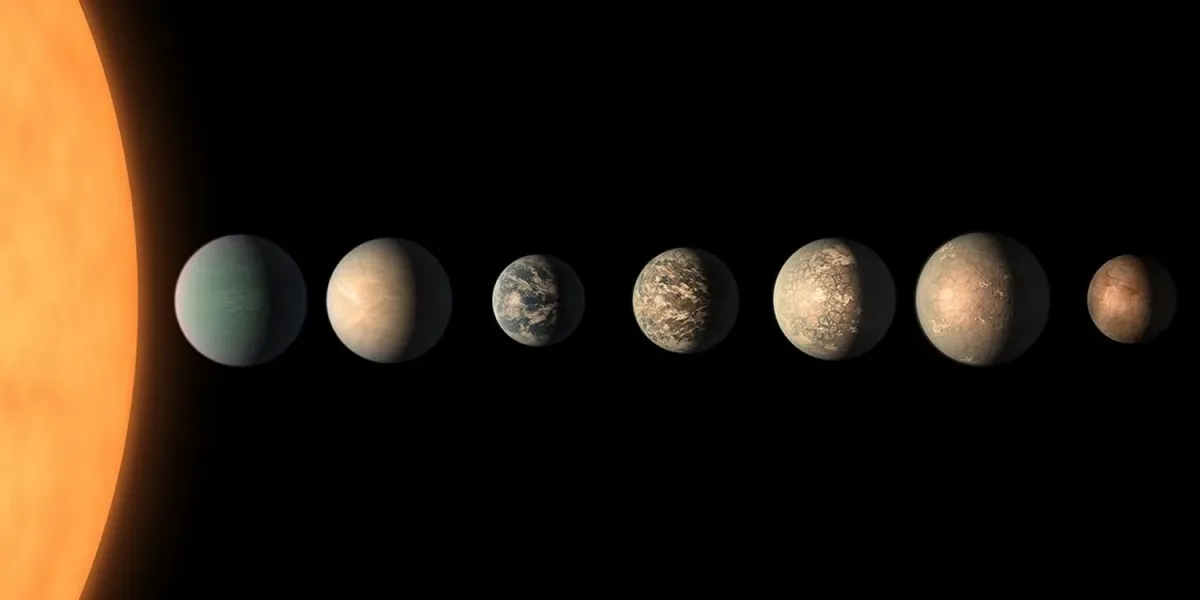
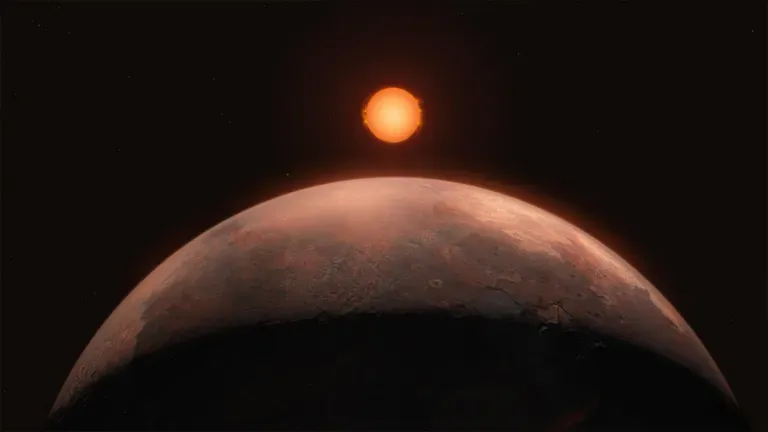
One of the coolest planets on the list is Proxima Centauri b. It's only about 4.2 light-years away, making it one of our closest potential neighbors. The TRAPPIST-1 system also made the cut, with four planets—TRAPPIST-1 d, e, f, and g—all orbiting a red dwarf star where water could flow. That system is about 40 light-years from Earth.
We're a new kind of news feed.
Regular news is designed to drain you. We're a non-profit built to restore you. Every story we publish is scored for impact, progress, and hope.
Start Your News Detox

Now, getting there is a whole different story. Light, which travels at about 186,282 miles per second, still takes four years to reach Proxima Centauri b. Our fastest human-piloted vehicle, Apollo 10, hit 24,791 mph. At that speed, it would take us about 114,000 years to reach the closest of these exoplanets. So, space travel to these places is still way out of reach.


But even if we can't visit, studying these worlds is super important. It helps us understand what makes a planet habitable. For example, some planets have really oval-shaped orbits, which can cause huge temperature swings that might make life impossible. Observing these helps us learn what to look for.
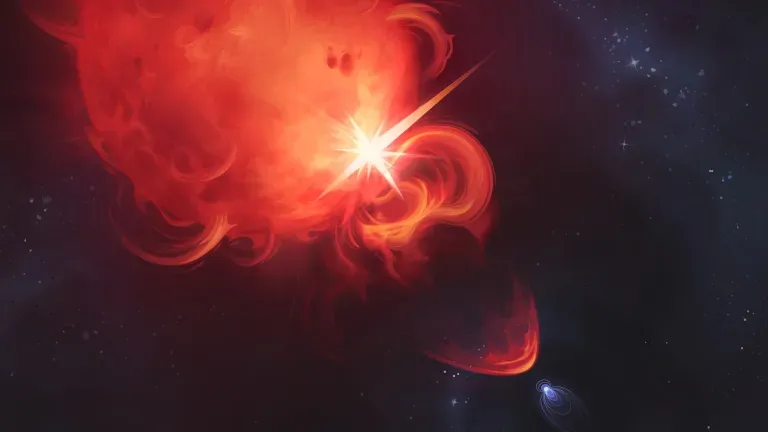
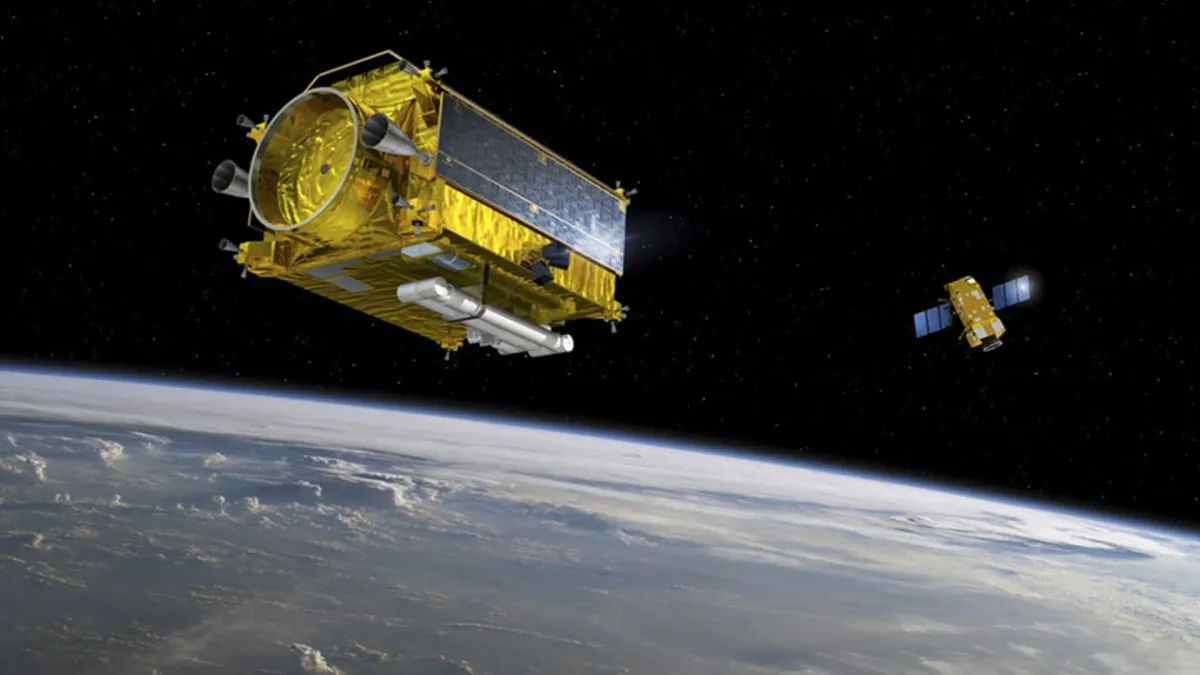
Abigail Bohl, one of the study's authors, explained that we can use our own solar system as a guide. Earth is habitable, but Venus and Mars aren't. So, we look for exoplanets that get similar energy from their stars as Earth does. This clever new list will guide powerful telescopes like the James Webb Space Telescope and the upcoming Nancy Grace Roman Space Telescope, set to launch in 2027.
Finding where to look is the first crucial step in finding life beyond Earth. Now, we have a much better map.