Miracinonyx trumani, often called the "American cheetah," was long thought to be like the African big cat. New research in Current Biology shows this extinct cat was actually more closely related to pumas.
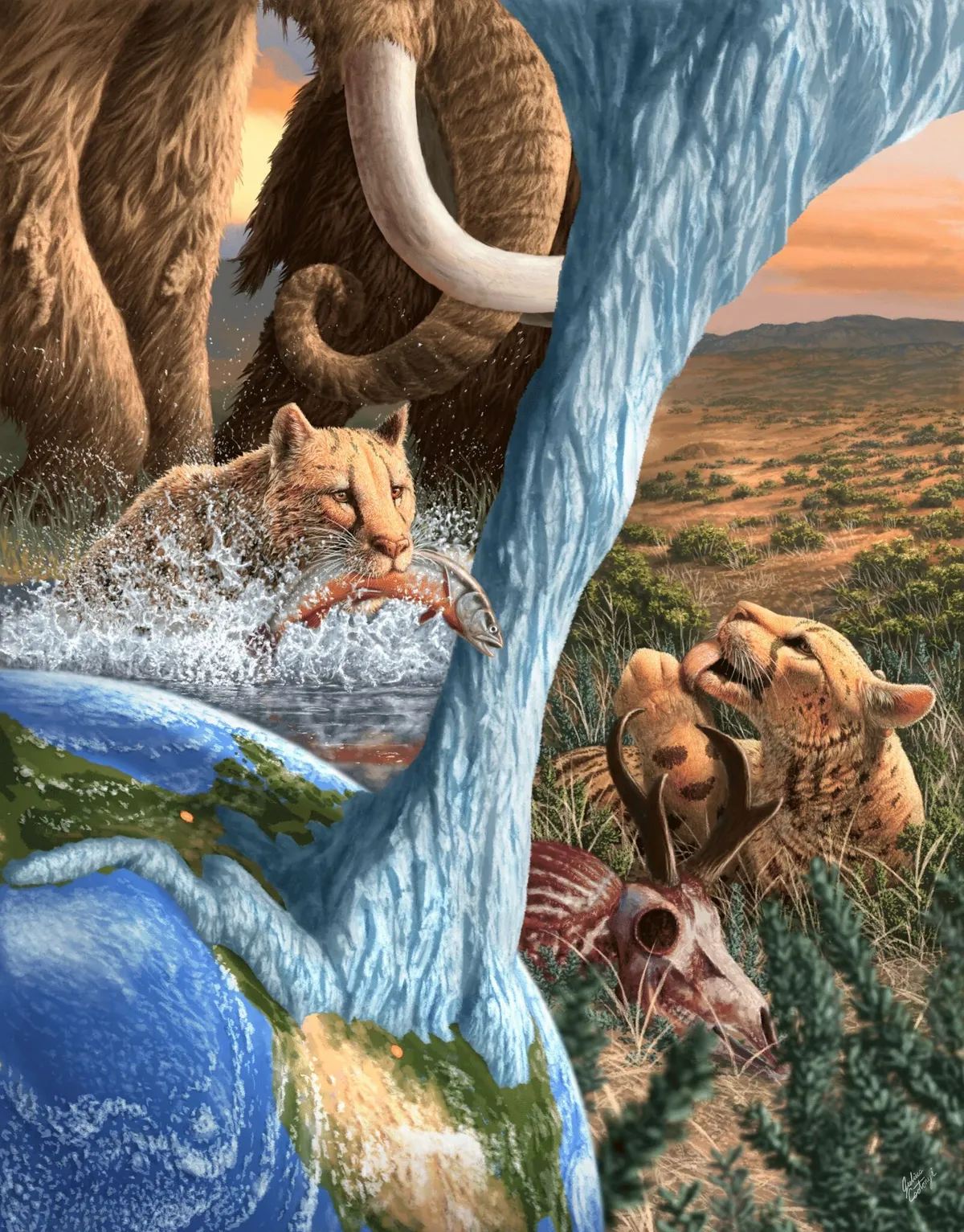
Some of these ancient cats lived near the Arctic and ate mostly fish. This challenges the old idea that they only hunted fast-moving prey like pronghorns.
Molly Cassatt-Johnstone, the study's lead author, explained that comparing prehistoric species to known animals can limit understanding. It can hide their unique history and behaviors.
We're a new kind of news feed.
Regular news is designed to drain you. We're a non-profit built to restore you. Every story we publish is scored for impact, progress, and hope.
Start Your News DetoxBeyond the Cheetah Comparison
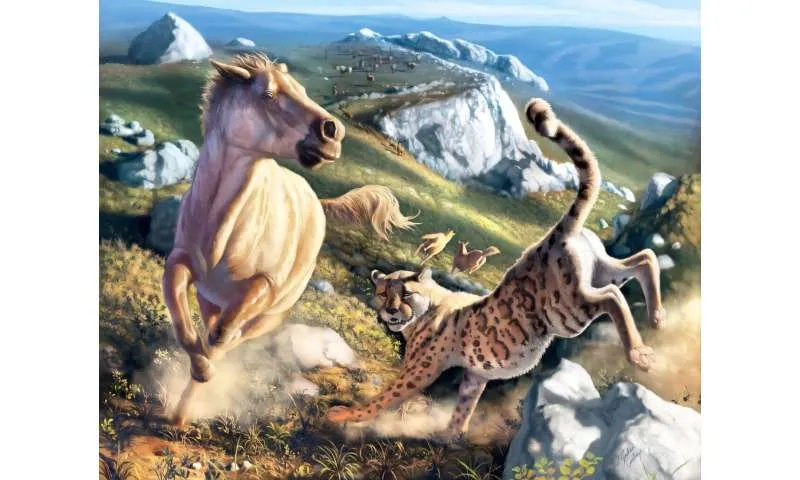
The American cheetah lived in North America's grasslands during the Pleistocene epoch, from about 2.5 million to 16,000 years ago. Fossils show M. trumani had a slender body, long front legs, and large nasal cavities. These features are common in fast-running animals today, like cheetahs.
Paleontologists also found M. trumani remains near pronghorns, which are very fast. This led many to believe the extinct cat lived like modern African cheetahs.
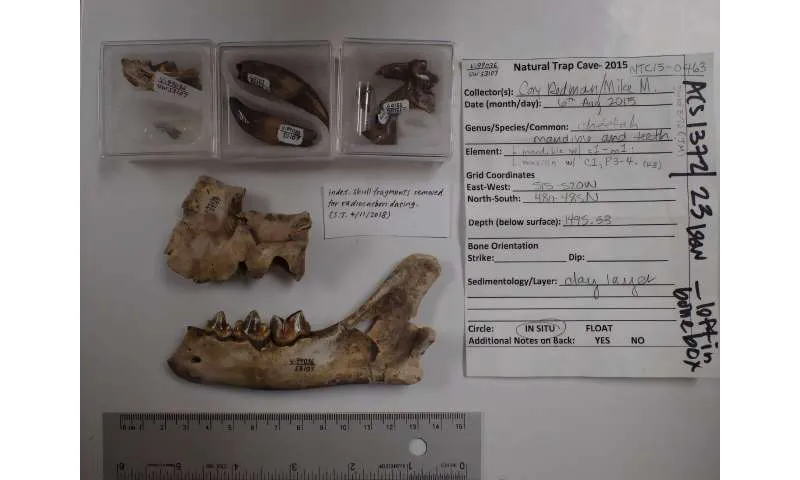
However, recent evidence suggested M. trumani might not have been so cheetah-like. To learn more, Cassatt-Johnstone and her team studied ancient DNA from four M. trumani specimens. One was from Wyoming, and three were from Canada's Yukon Territory.
The Yukon samples were once thought to be a different species. The team confirmed they were M. trumani, extending the known range of the animal over 1,400 miles north.
A Puma Relative with Arctic Reach
Researchers compared M. trumani's DNA to nine other cat species. They found M. trumani shared a common ancestor with modern cheetahs about 4.7 million years ago. But it was most closely related to modern pumas, diverging about 2.6 million years ago.
The team then looked at the diet of M. trumani in the Yukon, where pronghorns are not found. They analyzed nitrogen and carbon in the Yukon fossils.
They discovered that the Yukon M. trumani ate almost exclusively fish. Their nitrogen levels were similar to fish-eating orcas and sea wolves. In contrast, M. trumani in Wyoming had markers of a land predator that ate herbivores, like lions.
This wide range in diet suggests M. trumani could adapt to different food sources. Cassatt-Johnstone noted this flexibility might have helped the species survive in many environments, from warm regions to the Arctic.
Clues to Life in the Far North
Researchers also found that two of M. trumani's genes for circadian rhythm were not working. These genes control an animal's internal clock, which uses sunlight to regulate sleep. For M. trumani, this might mean they adapted to long periods of daylight and darkness in high latitudes, or that they were nocturnal.
Cassatt-Johnstone called it "surprising and exciting" to find another predator in Beringia. This ancient land connected Asia and North America during the Pleistocene, home to woolly mammoths.
Like the woolly mammoth, M. trumani likely died out as the last ice age ended and the warmer Holocene began.
Cassatt-Johnstone believes many extinct species are misunderstood. The M. trumani fossils show this "American cheetah" was much more adaptable than its nickname suggests.
Deep Dive & References
Range and diet diversity in the Pleistocene American "cheetah", Miracinonyx trumani - Current Biology, 2026