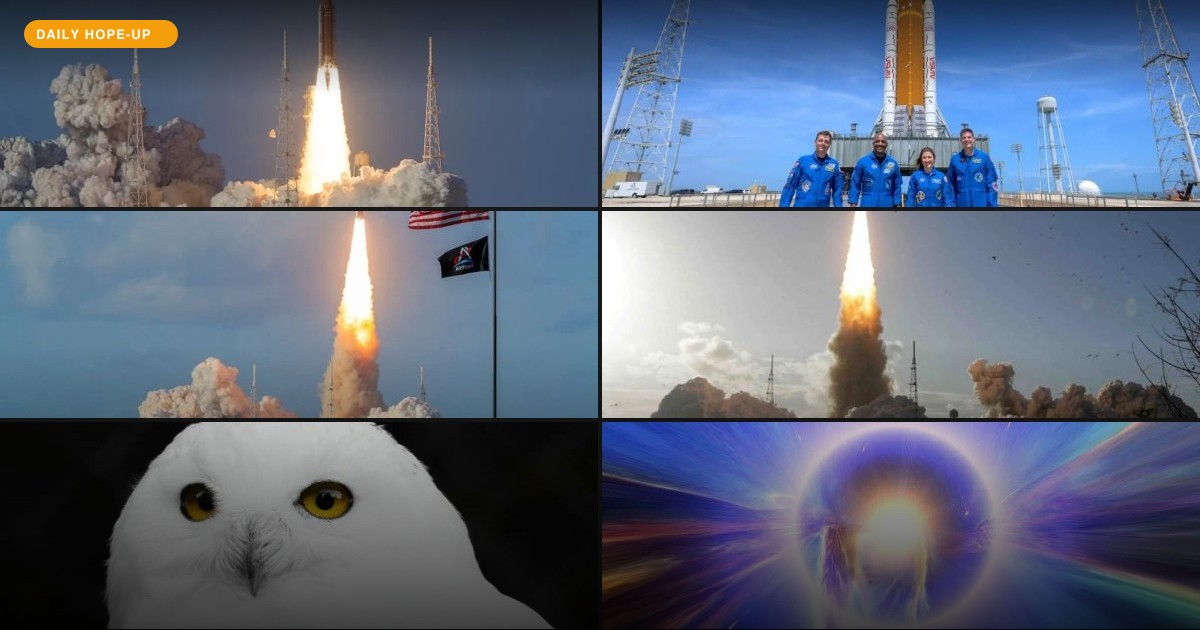
Today felt like a collective deep breath, a moment where the world remembered how to look up — literally, at the moon — and also how to look out for each other. From ambitious space missions to quiet victories for wildlife, the overarching theme was a renewed sense of possibility.
The Sky Isn't the Limit Anymore
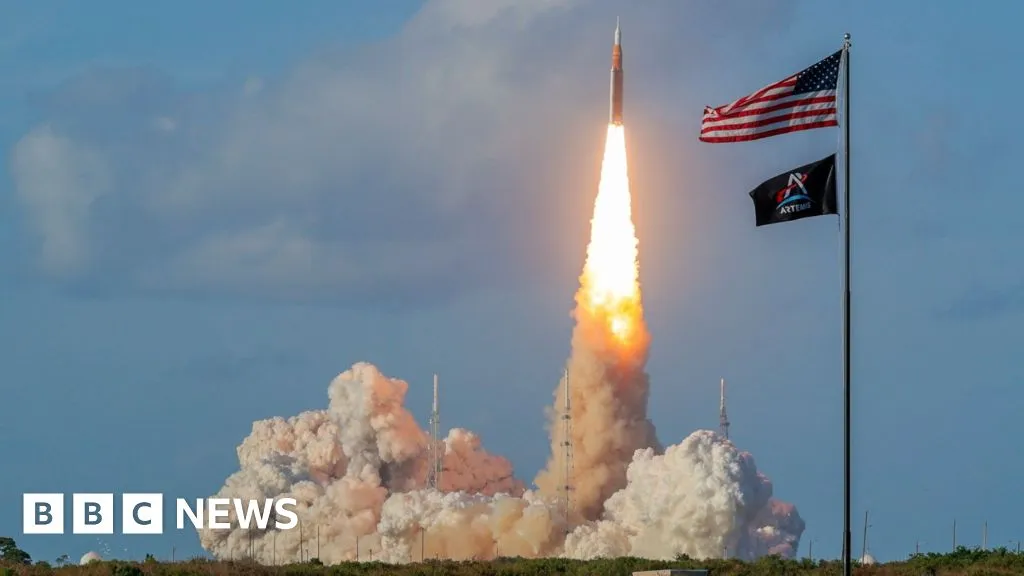
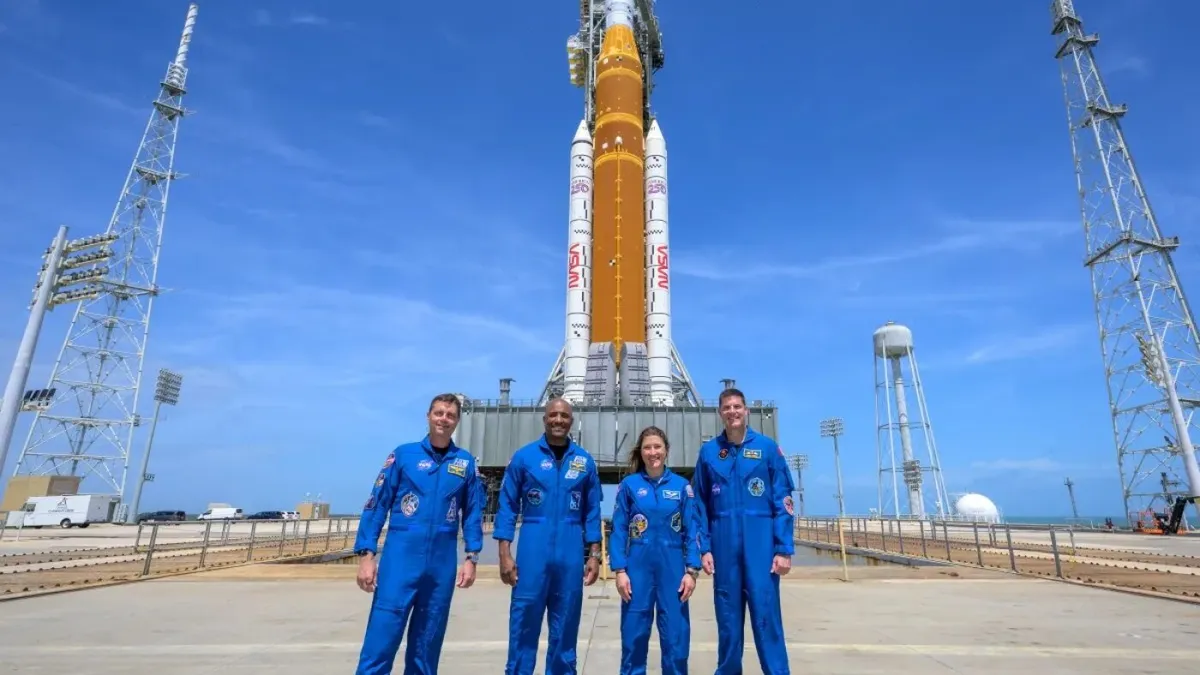
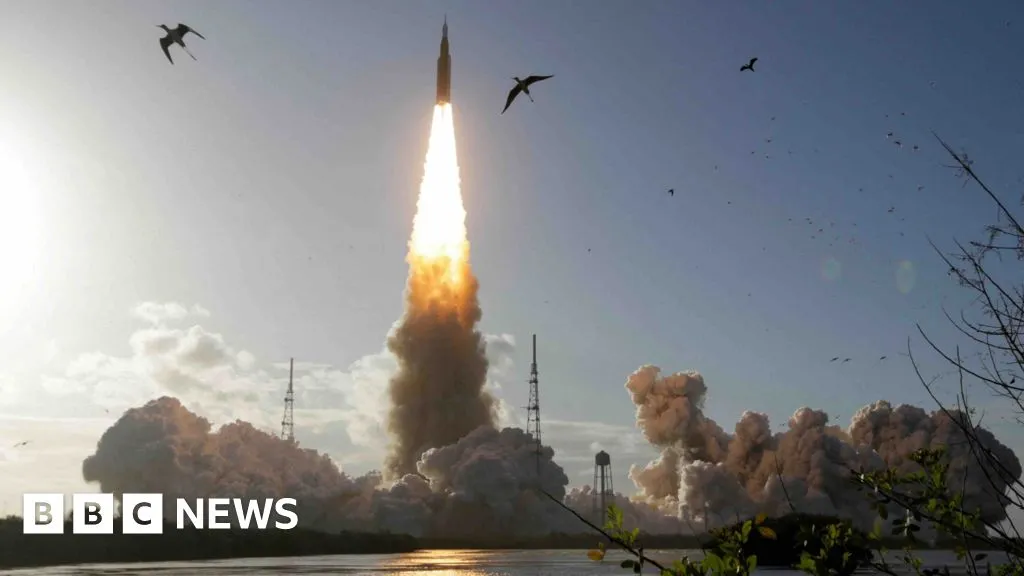
After half a century, humanity is finally heading back to the moon, and then some. NASA's Artemis II mission, with its crew of four, just launched. They’re not just around the Moon; they’re gearing up for a high-stakes engine burn out of Earth's orbit, as chronicled in "Artemis II Kicks Off Moon Orbit, Eyes Mars Next." This isn't just a nostalgic trip; it's a stepping stone, a clear signal that our sights are set much, much further. And while they're out there, thinking about the future, scientists are also brainstorming ways to get to Mercury without fuel, using a "Solar Sail Could Send a Spaceship to Mercury, No Fuel Needed." Seems like the next generation of space travel is less about brute force and more about elegant physics.

Giving Nature a Fighting Chance
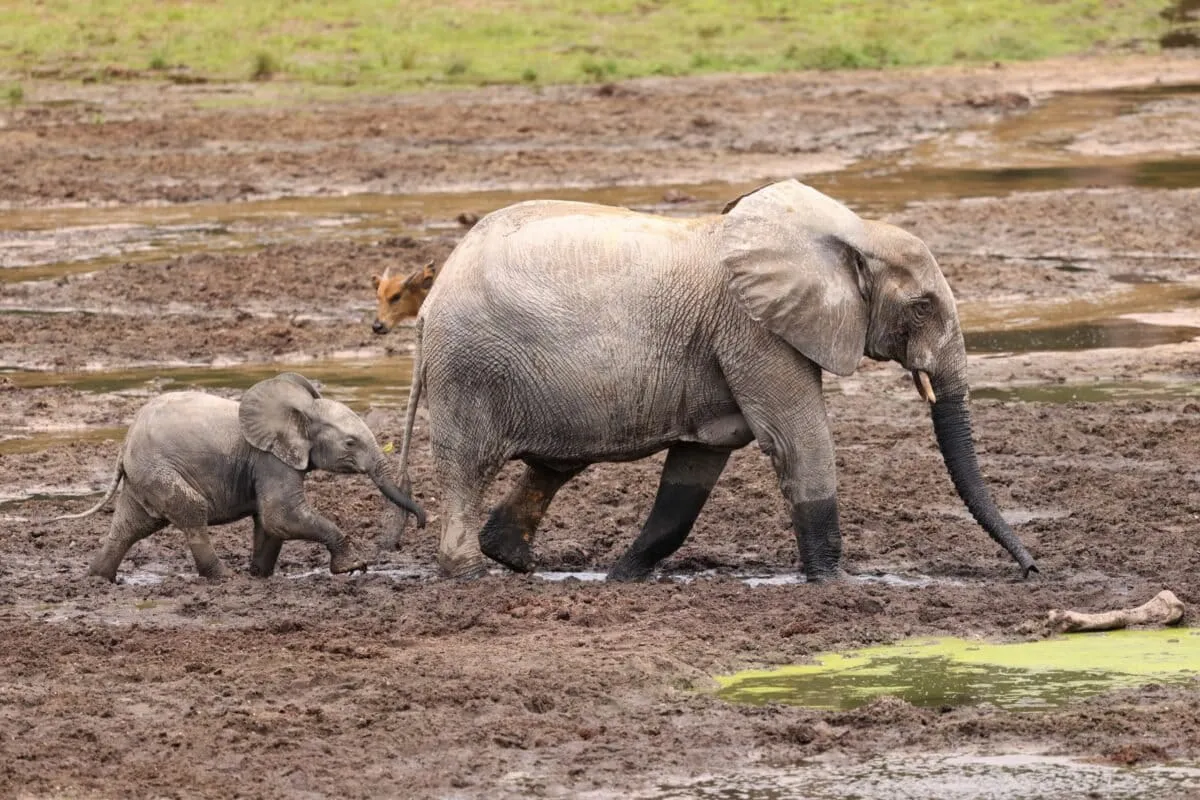
While we're busy exploring beyond Earth, there's a quiet, equally vital effort happening right here. The UN just stepped up, giving a lifeline to 40 species, even the much-maligned hammerheads, as detailed in "The UN Just Gave 40 Species a Fighting Chance. Even Hammerheads." It's a reminder that conservation isn't always about grand gestures; sometimes it's about the steady, determined work of policy and protection. And speaking of determined work, scientists in Cambodia just found a turquoise pit viper and 10 other new species, proving that there's still so much wild wonder left to discover and, hopefully, protect.
We're a new kind of news feed.
Regular news is designed to drain you. We're a non-profit built to restore you. Every story we publish is scored for impact, progress, and hope.
Start Your News Detox
Today, it seems, we're remembering how to look both up and around, with purpose.