Controlling a robot on the Moon sounds like a job for a sci-fi hero, but it's actually a job for someone hunched over a VR headset, hoping their multi-million dollar lunar bot doesn't drive into a crater. Good news: researchers at the University of Colorado Boulder are making that job a whole lot easier – and less stressful – with a combo of digital twins and virtual reality.
Think of it as the ultimate lunar driving school, but for robots.
Training Day, Moon Edition
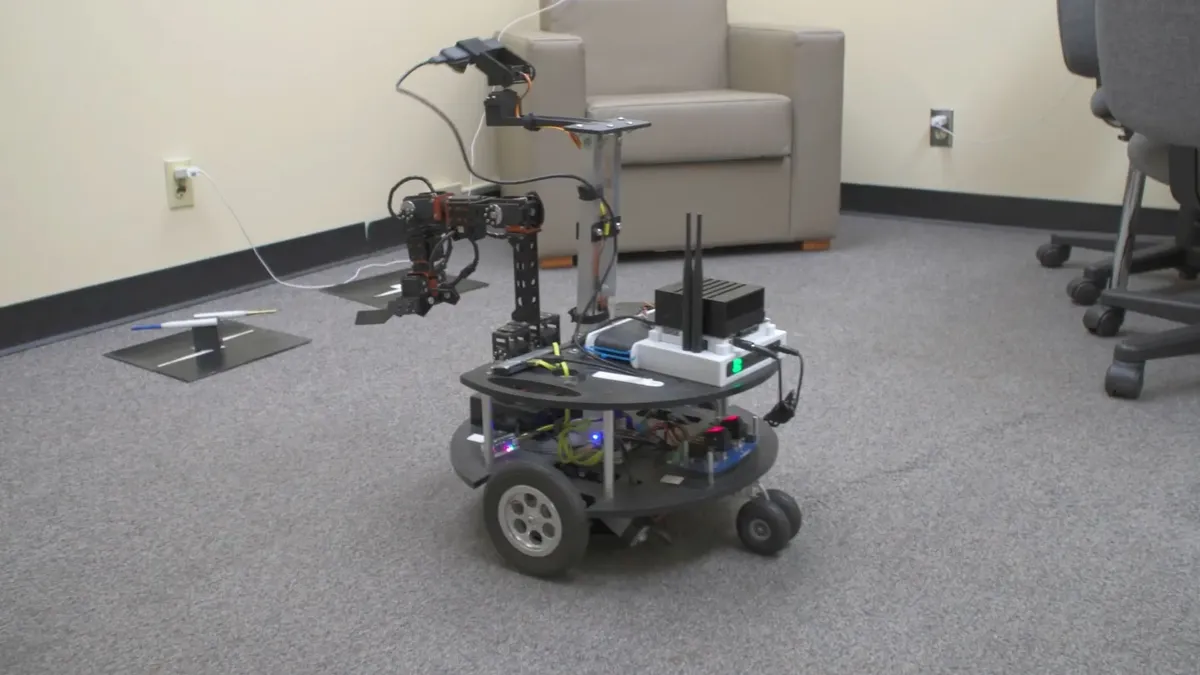
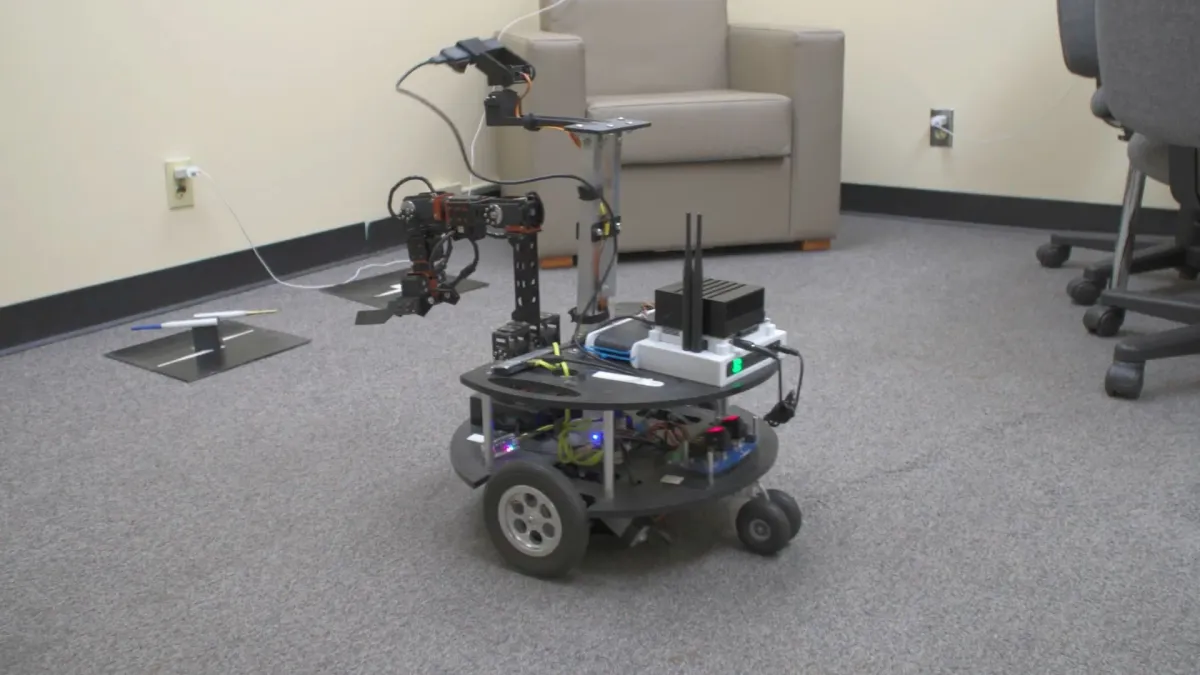
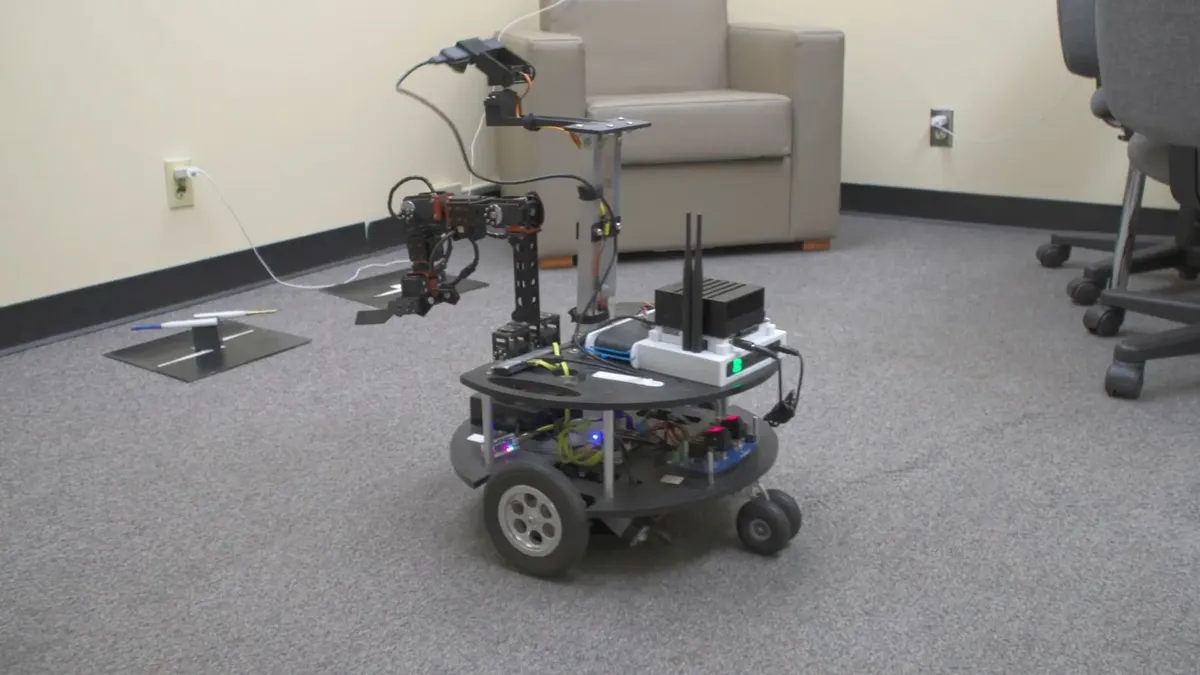
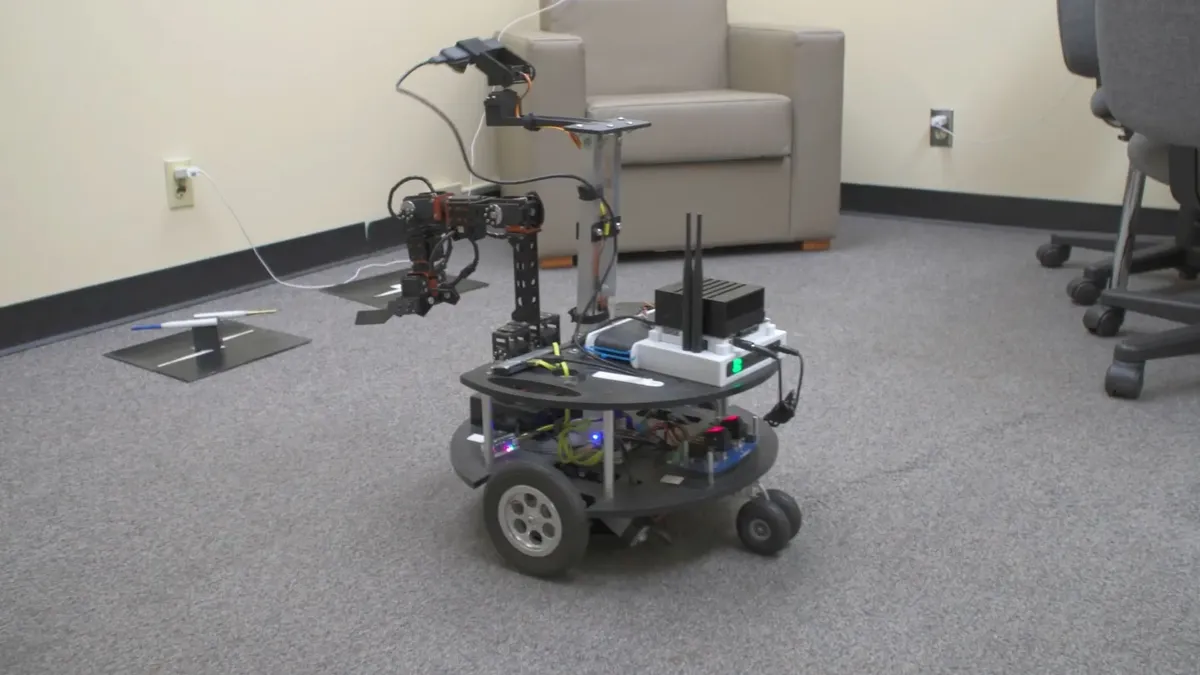
Enter Armstrong, a plucky little three-wheeled robot. While Armstrong currently resides in a lab, its digital twin is busy navigating simulated lunar landscapes. Operators strap on a VR headset and, from a first-person perspective, control Armstrong's virtual doppelgänger. They can pick up objects, traverse treacherous terrain, and generally get a feel for what it's like to be a robot on the Moon – all without the actual, rather significant, risk of breaking an actual, rather expensive, piece of space hardware.
The goal? To teach humans how to really work with robots. Because when astronauts are on the Moon, setting up lunar homes or conducting science, they don't want to spend precious time fixing a robot that just face-planted into a simulated dust cloud. They want efficiency. They want smooth operations. They want a robot that knows its left from its right, even in low gravity.
We're a new kind of news feed.
Regular news is designed to drain you. We're a non-profit built to restore you. Every story we publish is scored for impact, progress, and hope.
Start Your News DetoxThe CU Boulder team built an incredibly detailed virtual copy of Armstrong and its environment using the Unity game engine. Every movement, every interaction with an object, is precisely mirrored. This isn't just a video game; it's a high-fidelity simulation where the virtual robot acts exactly like the real one. Which, if you think about it, is both impressive and slightly terrifying.
The Proof Is in the Practice
To see if this virtual training actually worked, the researchers put it to the test. Some participants got to practice with the digital twin first, while others went straight to controlling the physical robot. The results were pretty clear: those who trained virtually completed tasks much faster and reported significantly less stress.
Let that satisfying number sink in: faster, less stressed. For a multi-million dollar robot operating millions of miles away, that's not just a nice-to-have; it's a mission-critical advantage. Mistakes in space aren't just embarrassing; they're catastrophic.
Now, the team is taking things up a notch, creating even more advanced virtual models that simulate actual lunar vehicles on the actual Moon. This means tackling the really tricky stuff: uneven ground, the bizarre lighting conditions, and the ever-present menace of lunar dust. That last one is a real headache – dust clouds can block cameras, damage sensors, and generally make a robot's life miserable. And since we don't have a ton of real-world data on how lunar dust behaves, simulating it accurately is a key challenge.
Ultimately, this tech isn't just about making robots better; it's about making humans better at controlling them. And that's a crucial step towards building a long-term human presence on the Moon. Because if we're going to live up there, we'll need all the help we can get – even if that help comes in the form of a VR headset and a very well-behaved digital twin.