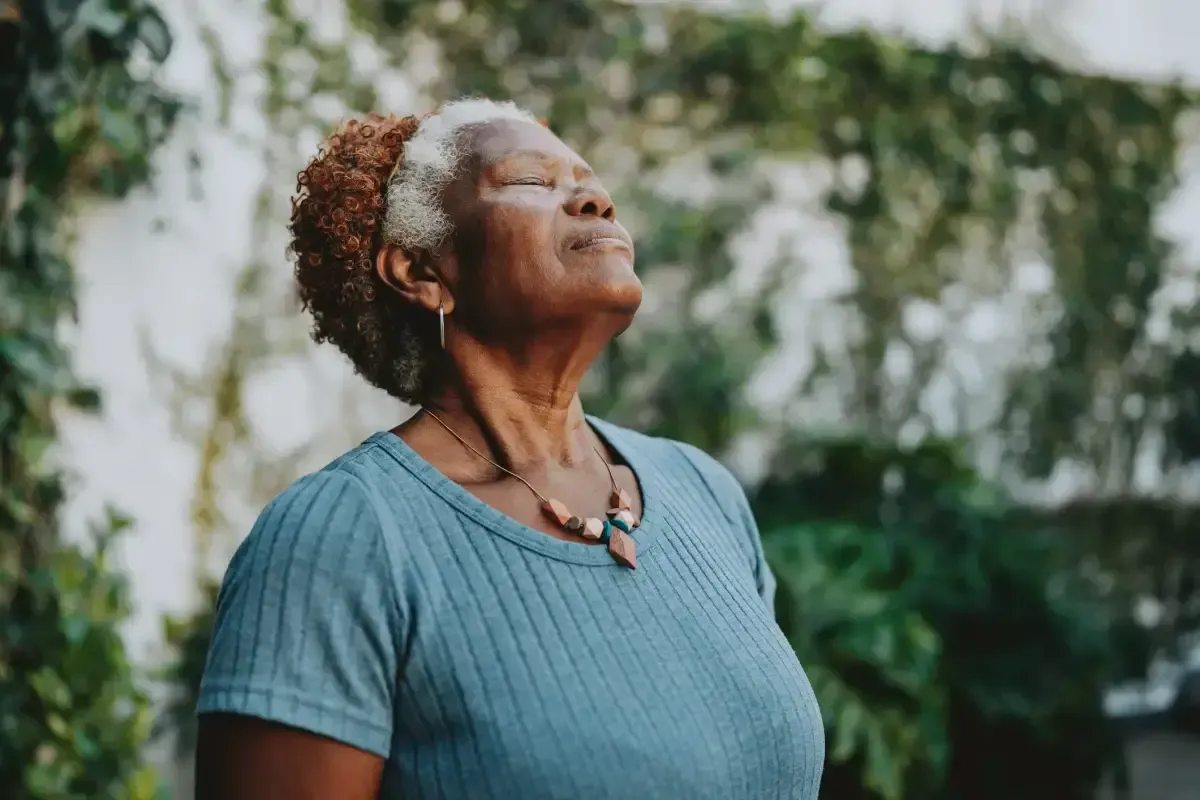
When life decides to really put you through the wringer, where do you go? A park? The ocean? Maybe just stare wistfully at a houseplant? Turns out, that instinct to seek out green (or blue) spaces isn't just a fleeting mood booster; it's a deep, primal connection that does some serious good for your brain.
For years, studies have been telling us that nature is a mental health hack, reducing depression and even shifting brain activity. Pretty neat, right? The catch: most of this research was, to put it mildly, a bit WEIRD. (That's a science acronym for Western, Educated, Industrialized, Rich, and Democratic societies, not a judgment on their data.) So, what about everyone else?

The World Weighs In
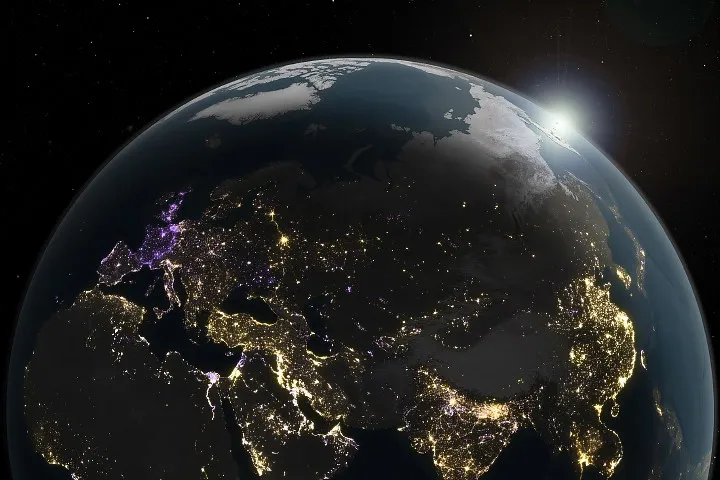
A global squad of over 100 researchers, including brainy folks from the U.S. and Germany, decided it was time to take this question worldwide. They wanted to know if this nature-well-being link was a universal truth or just a perk for a select few.
We're a new kind of news feed.
Regular news is designed to drain you. We're a non-profit built to restore you. Every story we publish is scored for impact, progress, and hope.
Start Your News DetoxTheir findings, after crunching data from Brazil, Japan, Nigeria, Germany, Indonesia, and 70 other countries? A resounding, crystal-clear yes. People who felt more connected to nature consistently reported feeling better overall.
And we're not just talking about enjoying a nice hike. "Nature connectedness" is something deeper. It's about seeing nature as an integral part of you. It's the feeling of oneness, an emotional bond that makes you say, "My relationship to nature is an important part of who I am." It's identity, meaning, and a sense of belonging, not just a pretty view.
This massive undertaking pulled data from over 38,000 people aged mostly in their teens, 20s, and 30s. These surveys, collected between 2020 and 2022 during the pandemic (because, you know, that was a stressful time), asked about everything from life satisfaction and hope to resilience and the ability to handle stress. They even checked in on mindfulness practices.
Across this incredibly diverse sample, the results held: a stronger connection to nature meant higher levels of well-being and mindfulness. This wasn't just surface-level happiness; it included deeper stuff like having a sense of purpose and meaning in life. And yes, these links stayed strong even when accounting for age and gender. So, your grandpa and your niece can both get that nature glow.
Location, Location, Well-being?
The team even dug into whether a country's specific traits – like air quality, education access, or even cultural values – altered the benefits. And while there were minor differences (because, you know, the world is vast), the core message remained: the link between feeling connected to nature and feeling good persists across wildly different economic, cultural, and environmental landscapes. This isn't just a rich-country luxury; it's a human thing.

So, why does it work? One big reason is mindfulness. That ability to be present and pay attention? It's strongly linked to mental health, and people who bond with nature tend to be more mindful. Another factor: resilience. Feeling connected to something bigger than yourself – like, say, the entire natural world – seems to be a pretty effective stress buffer. It’s like a built-in stability system in a chaotic world.
These insights aren't just for academic journals. As mental health challenges surge globally, and leaders around the world finally connect the dots between human health and a healthy planet, these findings offer a clear path forward. Designing cities with accessible green spaces, bringing nature into schools, and fostering community involvement with local environments aren't just about aesthetics. They're about helping us all thrive. Because, apparently, feeling connected to a tree might just be as important as your Wi-Fi connection. Maybe more so.