Scientists have solved a 30-year mystery about predictable earthquakes deep in the Pacific Ocean. They found natural "brake zones" that stop ruptures from growing too large.
Natural Brakes on Quakes
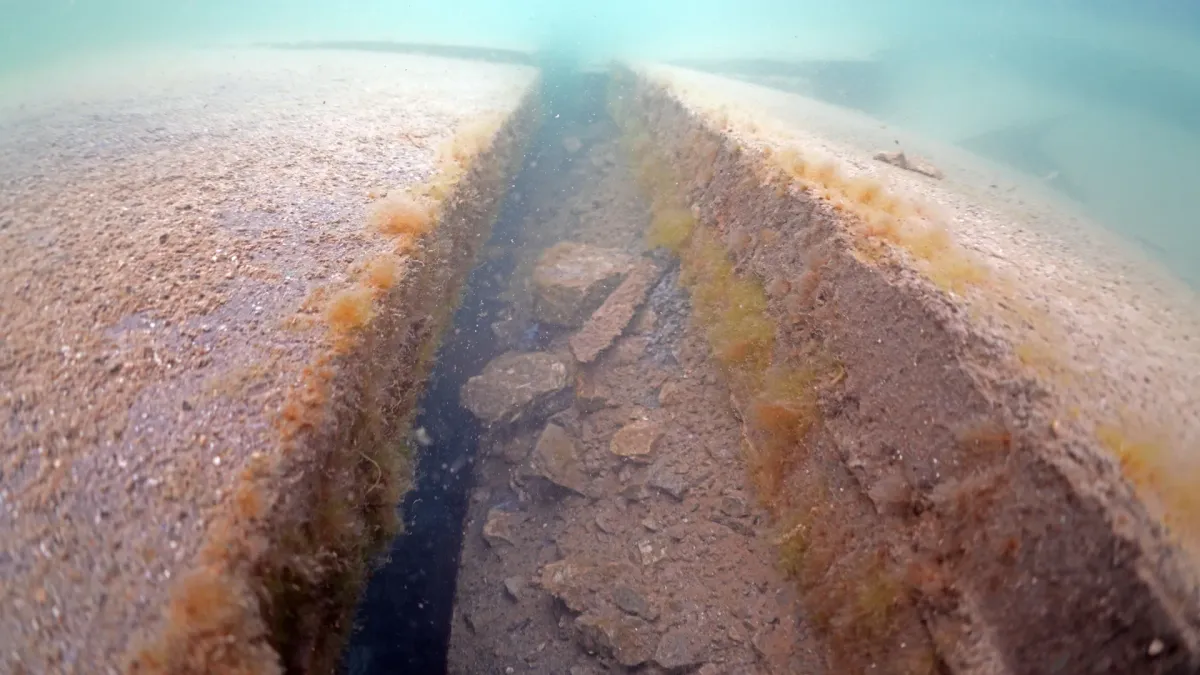
This discovery comes from the Gofar transform fault, about 1,000 miles west of Ecuador. For three decades, this fault has produced magnitude 6 earthquakes every five to six years. These quakes happen in almost the same spots, which is very unusual for earthquakes.
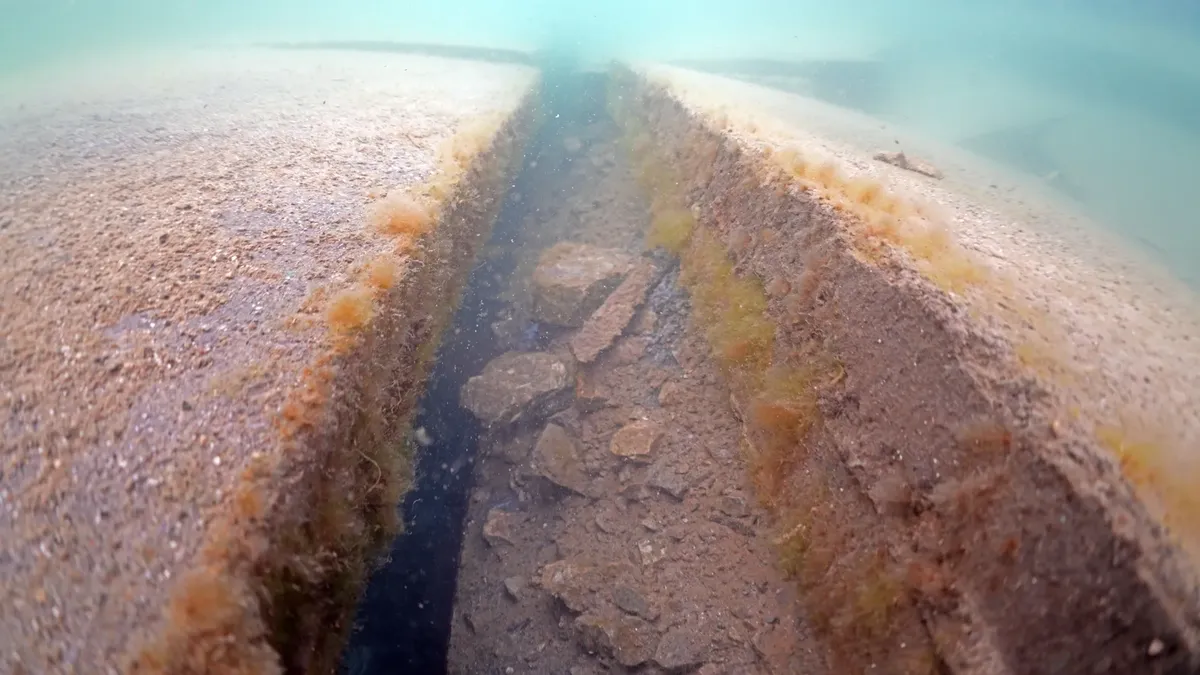
Researchers now say that complex areas within the fault act like barriers. These barriers limit how far earthquake ruptures can travel. They repeatedly stop the quakes at nearly the same points during each seismic cycle.
We're a new kind of news feed.
Regular news is designed to drain you. We're a non-profit built to restore you. Every story we publish is scored for impact, progress, and hope.
Start Your News DetoxJianhua Gong, a seismologist and lead author of the study, explained that these barriers have been known to exist. The big question was always what they were made of and why they reliably stopped earthquakes.
To understand this, researchers looked at data from two ocean-floor monitoring experiments. These took place in 2008 and from 2019 to 2022. Scientists placed seismometers on the ocean floor along the Gofar fault. They recorded tens of thousands of small earthquakes before and after two magnitude 6 events.
How the Barriers Work
The data showed a clear pattern. Before major earthquakes, the barrier zones had many small seismic activities. Right after a larger quake, these same areas became quiet again.
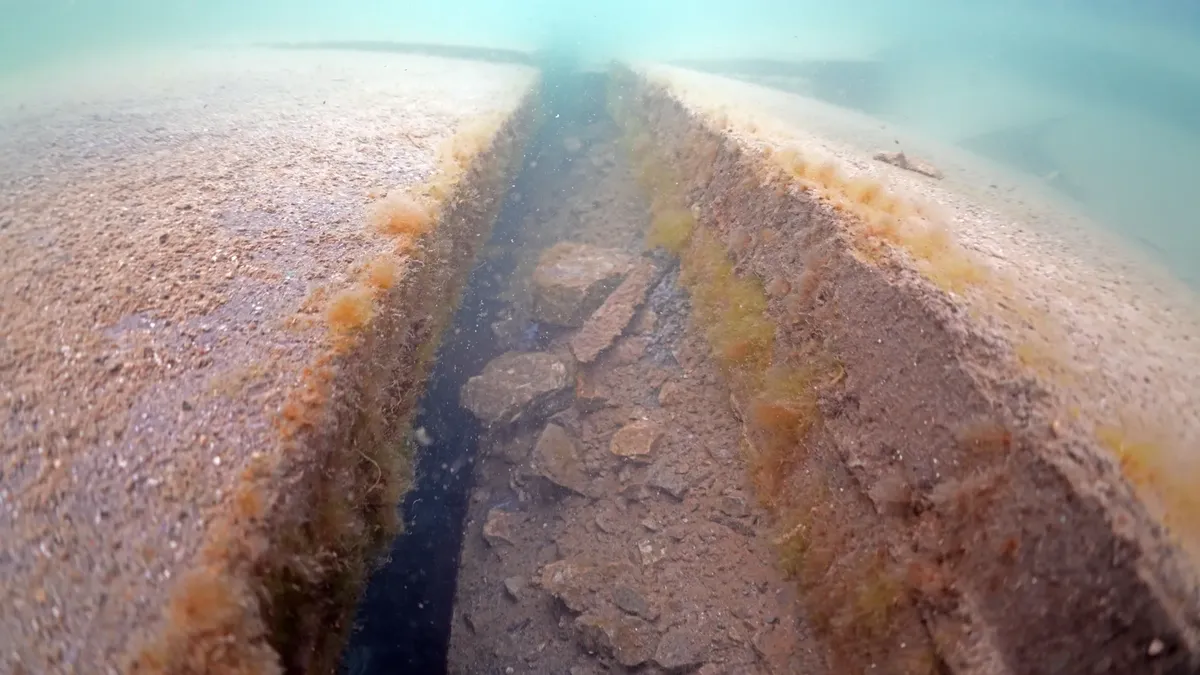
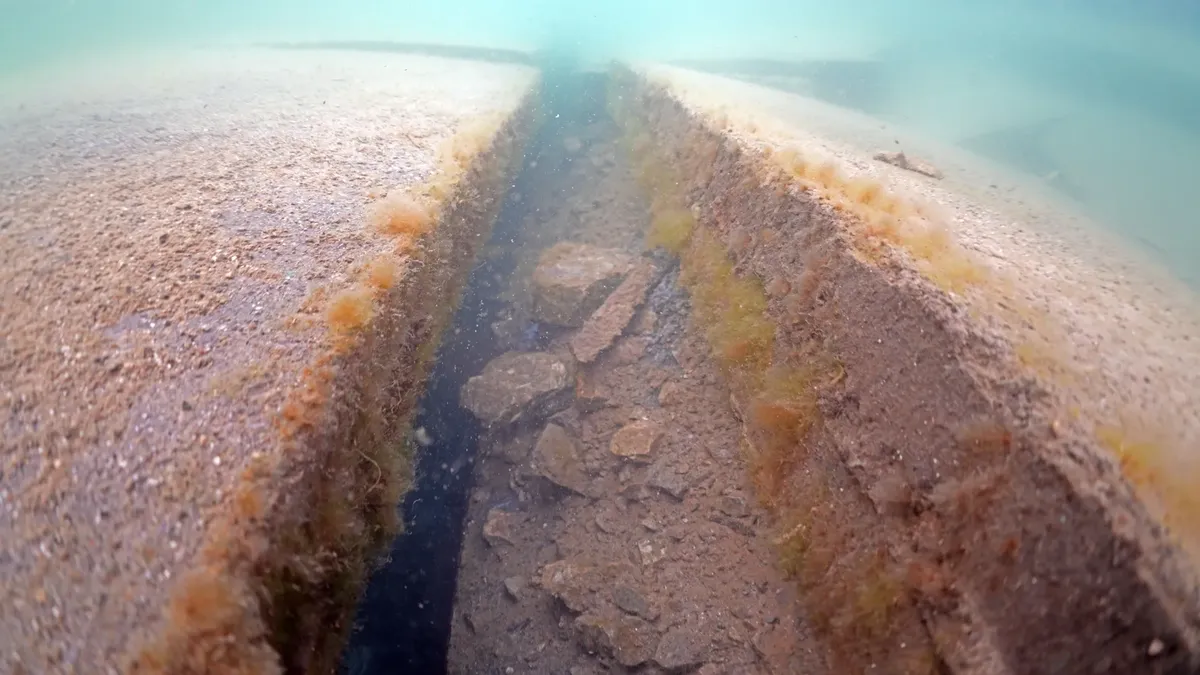
Researchers found that these barriers are not just passive rocks. They are active fault regions with complex shapes. In these zones, the fault splits into multiple parts with sideways shifts. This creates small gaps within the fault system.
The team also found that seawater goes deep into these fractured zones. This fault shape and the trapped fluids create a process called "dilatancy strengthening."
When a major rupture reaches a barrier, the fast movement quickly lowers the water pressure inside the rock. This temporary pressure drop effectively locks the fault zone. It slows the rupture before it can spread further.
Gong noted that these barriers are dynamic parts of the fault system. Understanding them changes how we think about earthquake limits on these faults.
Impact on Earthquake Understanding
These findings could explain why many large underwater earthquakes do not grow as big as expected. Transform faults like Gofar are found on ocean floors worldwide. Here, tectonic plates slide past each other horizontally. Scientists now believe similar barrier zones might limit ruptures on many other underwater faults.
This could help improve earthquake models. These models are used to assess earthquake risks near coastlines and underwater fault systems globally.
The study also shows how fluids inside faults can greatly affect earthquake behavior. Scientists are increasingly seeing this as a key factor in seismic activity.
The Gofar fault itself is not a direct danger because it is far from populated coasts. However, the mechanism found there may apply to many other underwater fault systems around the world.
30-year mystery solved: US scientists find natural ‘brakes’ behind Pacific quakes - Science, 2024