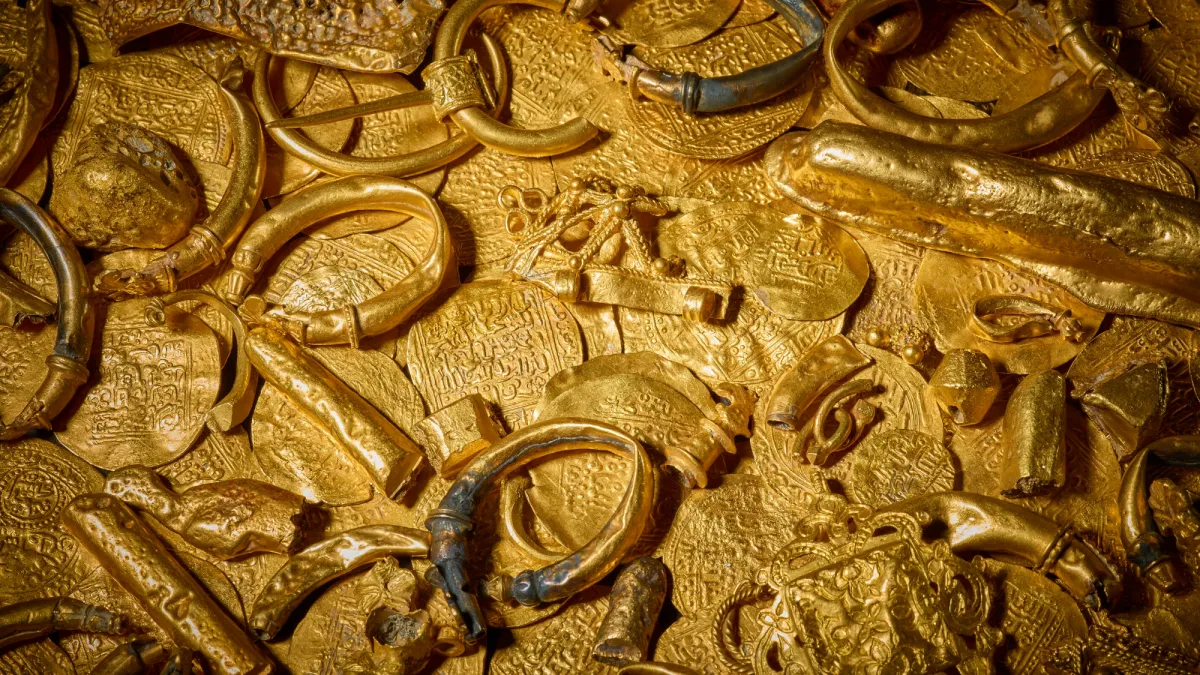
For nearly 30 years, historians have been scratching their heads over a shipwreck found off the southern coast of England. Sure, it had cannons, anchors, and a whole lot of gold coins, but whose ship was it? And where was it going?
Turns out, sometimes all you need is a few hundred gold coins and a determined historian to crack a centuries-old cold case.
The Golden Clues
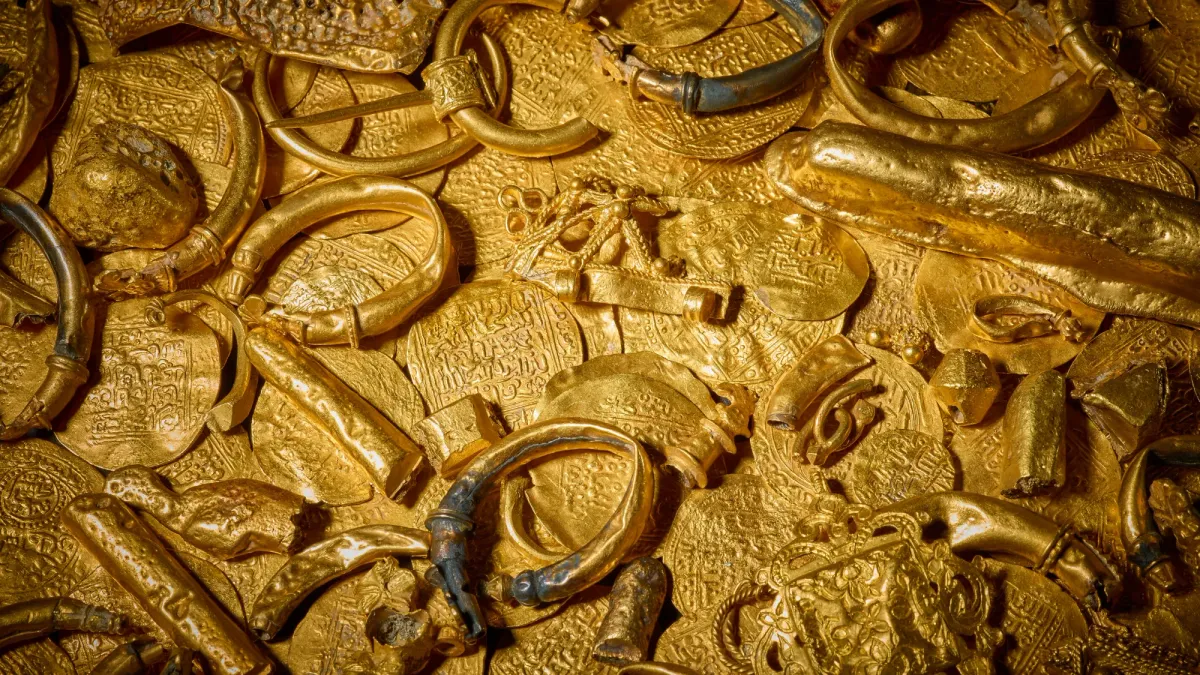
The ship in question is the Dom van Keulen, a Dutch trading vessel that set sail from Morocco in the fall of 1633. Its precious cargo? Over 9,000 Moroccan gold coins, among other things like gum arabic, saltpeter, and goat skins. Because apparently, that's what passed for luxury goods back then.
We're a new kind of news feed.
Regular news is designed to drain you. We're a non-profit built to restore you. Every story we publish is scored for impact, progress, and hope.
Start Your News DetoxIts destination was the Netherlands, but the English Channel had other plans. Historian Ian Friel dug through the UK's National Archives and found records detailing the Dom van Keulen's final, rather dramatic, voyage. The crew faced "much tempestuous weather," the ship started leaking, and it ultimately wrecked near Salcombe, a coastal town 30 miles southwest of Plymouth.
Good news: all the crew survived. Even better news: most of the cargo was likely salvaged soon after the sinking. But about 400 of those shiny gold coins stayed put on the seabed until 1995, when the South West Maritime Archaeology Group stumbled upon the wreck.
A Window to a Global Past
These aren't just any old coins. They offer a fascinating glimpse into the wealth and architecture of the Sa‘dian Sharifs, the Arab dynasty that ruled Morocco from 1549 to 1659. The Dutch, with their booming maritime industry, were all about trading manufactured goods for West African gold from the Barbary Coast (modern-day Morocco). They'd melt it down, mint their own coins, and boom — global currency.
So, finding these particular coins off the English coast was, as Jeremy D. Hill, head of research at the British Museum, put it, "an amazing discovery" that raised a lot of questions. Questions that have now been answered.
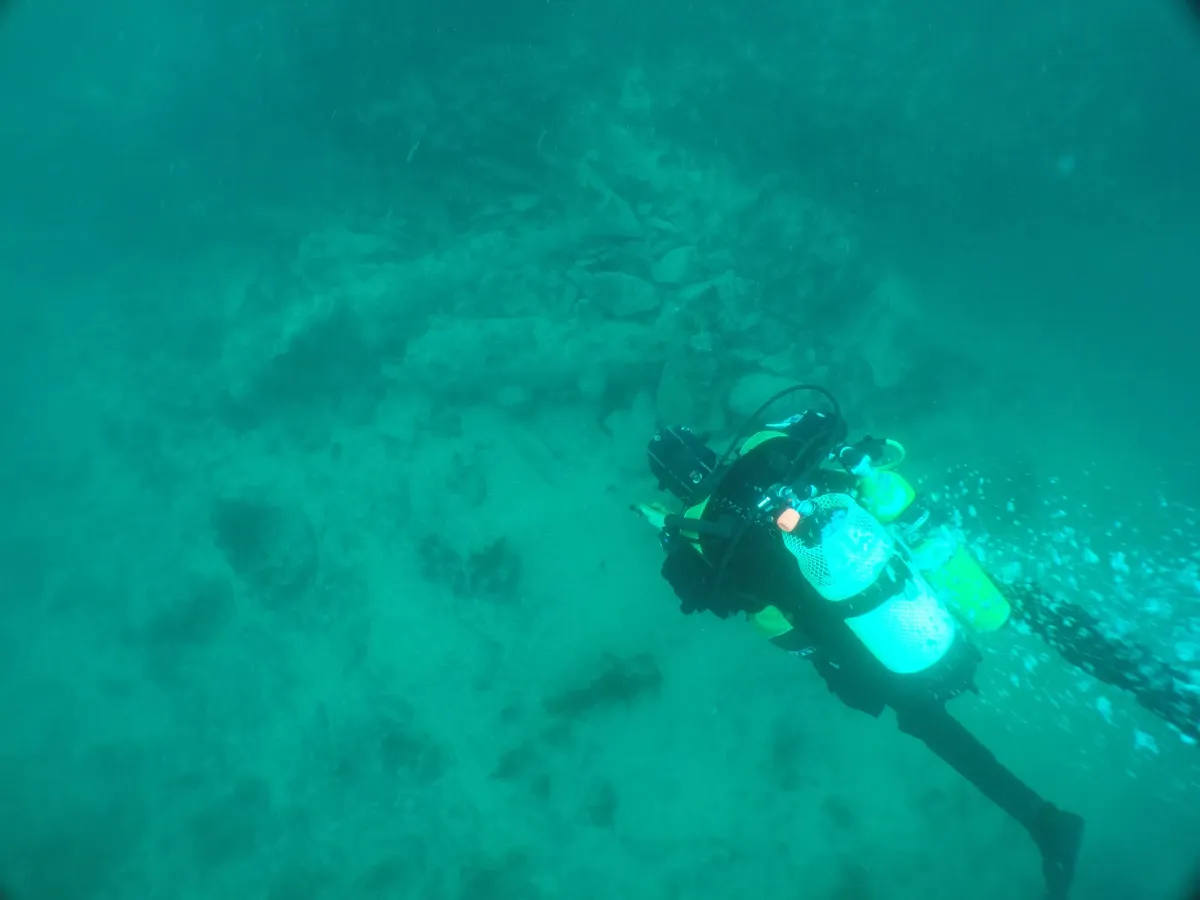
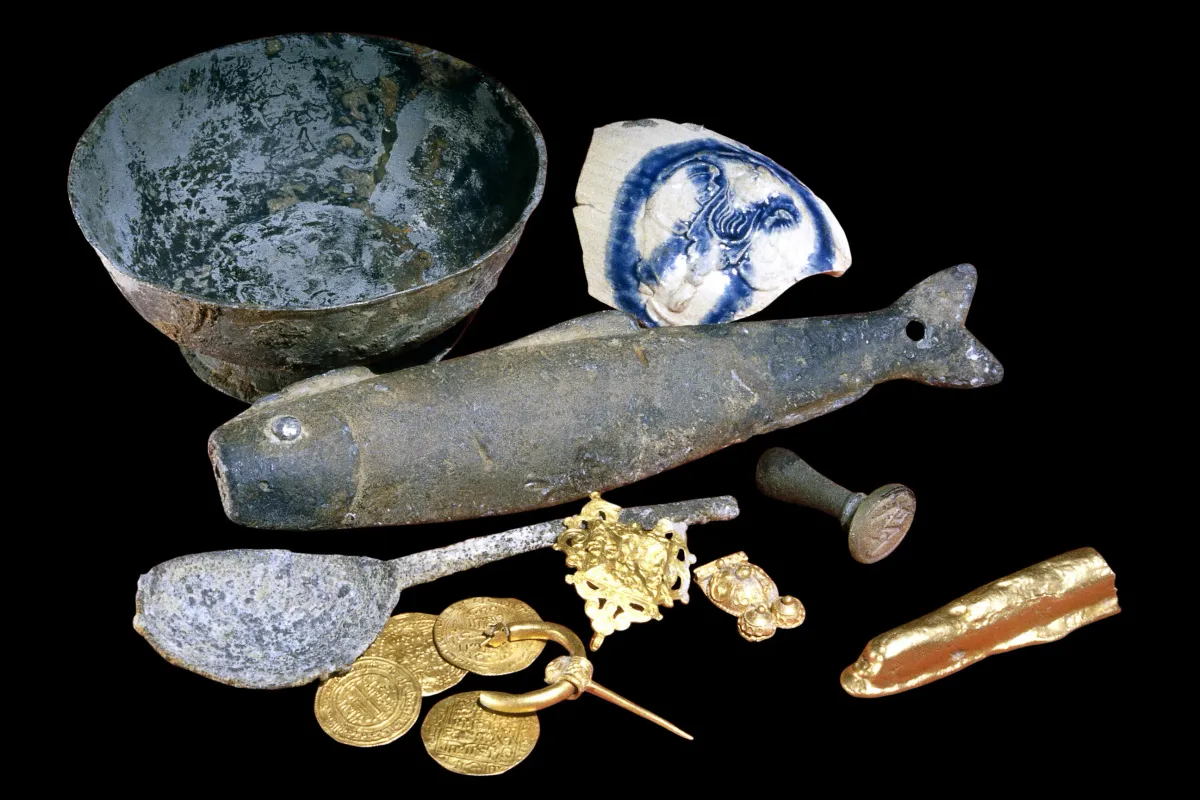
The wreck site itself is still pretty impressive: 98 feet long, 60 feet below the surface, and still holding cannons, anchors, and a few smaller cargo items. The British Museum even has a collection of artifacts from the site, including a pewter bowl, a spoon, gold jewelry, and a fish-shaped weight. Because, why not?
Knowing the exact ship that carried this treasure means we can now tell the full story of how a Dutch vessel, laden with North African gold, ended up at the bottom of the English Channel. It's a reminder that even after centuries, the ocean still holds plenty of compelling tales, just waiting for someone to connect the dots — or in this case, the coins.