Imagine a world where the very air we breathe (and, let's be honest, often pollute) becomes a raw material for your electric car. Scientists just took a significant step in that direction, figuring out how to yank carbon dioxide straight from the atmosphere and transform it into solid carbon. The secret ingredient? Molten salt, heated to a balmy 932°F.
This isn't just some lab curiosity; it's a potential game-changer for electric vehicle batteries, which are perpetually hungry for high-grade graphite. The brain trust behind this includes folks from Lawrence Berkeley National Laboratory, UC Berkeley, and Estonia’s National Institute of Chemical Physics and Biophysics. Their findings, which read like something out of a sci-fi novel, landed in Nature Communications.
The Hot, Salty Secret
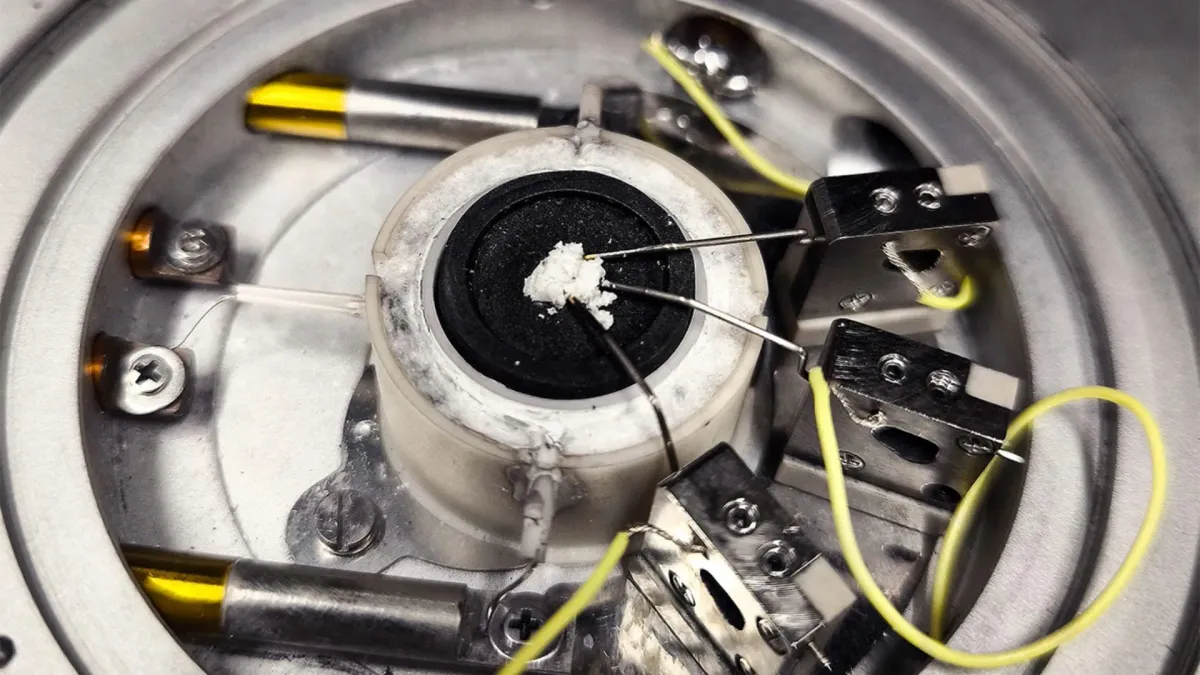
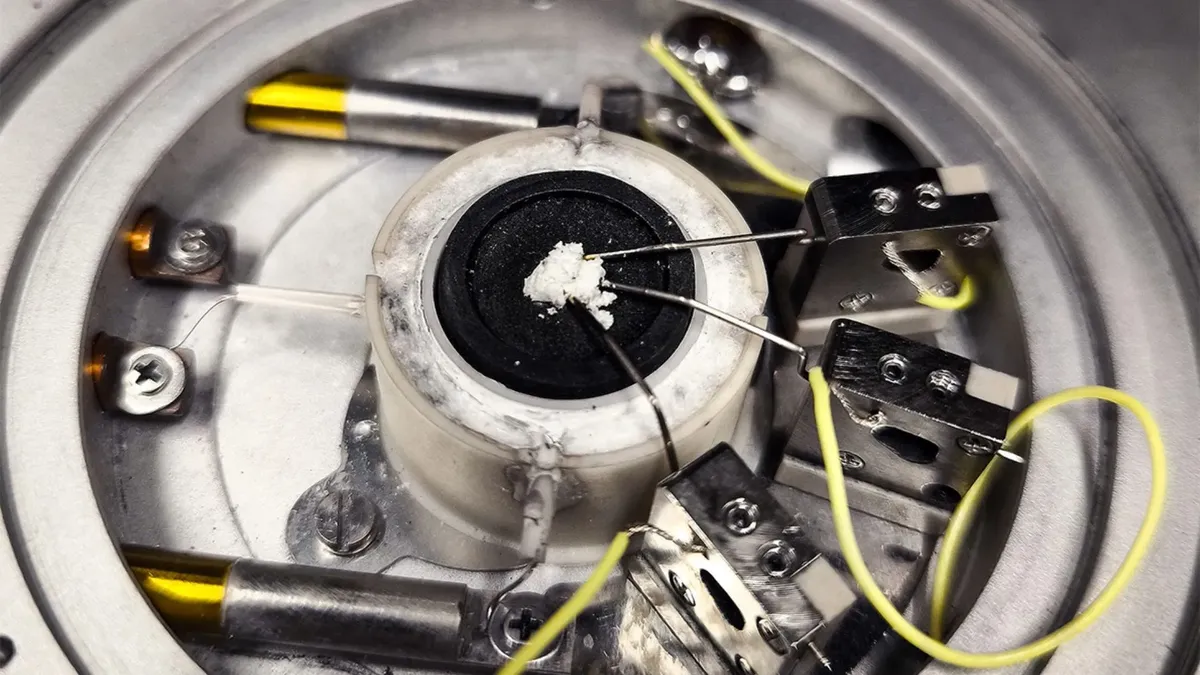
The magic happens via something called molten-salt electrolysis. Picture liquid salts, cranked up to a temperature that would make a dragon sweat, buzzing with electricity. You feed CO2 into this superheated brine, and an electric current basically strips away the oxygen atoms. What's left? Pure, solid carbon, which conveniently plates itself onto one of the electrodes.
We're a new kind of news feed.
Regular news is designed to drain you. We're a non-profit built to restore you. Every story we publish is scored for impact, progress, and hope.
Start Your News DetoxObserving this microscopic alchemy wasn't easy. Molten salts are about as friendly to lab equipment as a wolverine in a china shop. So, the team engineered a special reaction cell with heat-resistant lenses, allowing a custom microscope to record continuous video at that scorching 932°F. Because apparently, that's where we are now: filming chemical reactions in a vat of liquid fire.
Mike Whittaker, a Berkeley Lab scientist, called this setup a "major win." It lets them watch, in real-time, how this process could churn out critical materials, especially for batteries.
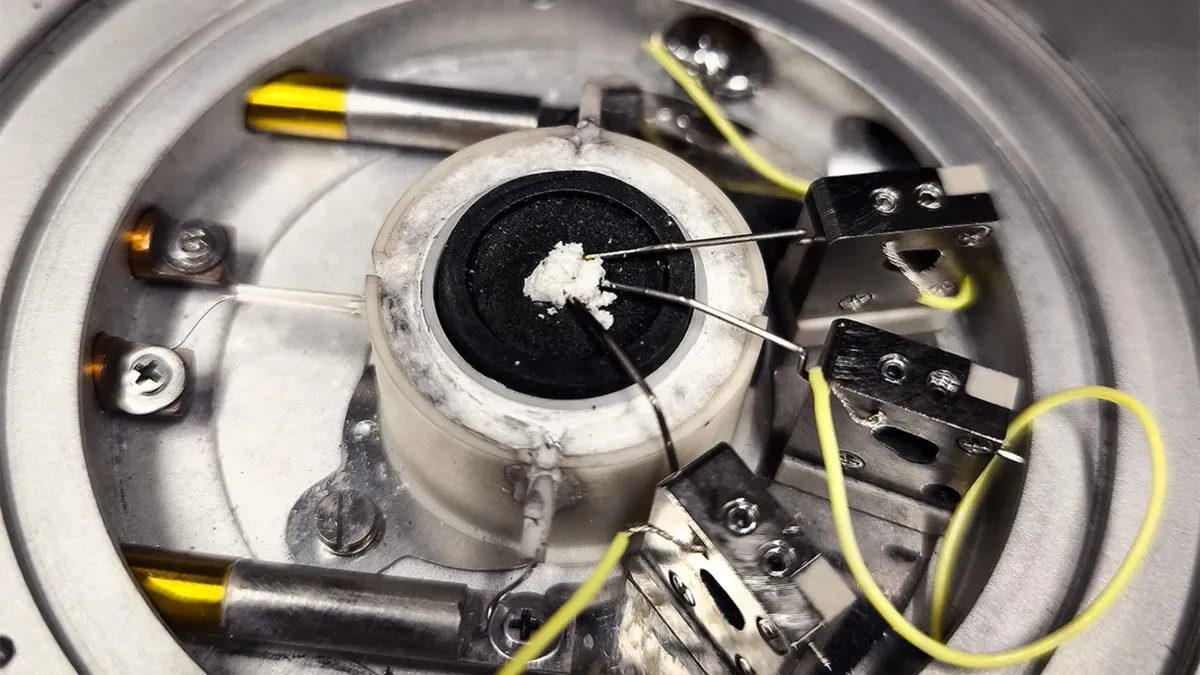
Turns out, the CO2 doesn't just snap its fingers and become solid carbon. The real-time video revealed a two-step dance, where CO2 first forms an intermediate chemical state before settling down on the electrode. Different salt mixtures and electrode materials didn't change this fundamental two-step process, but they did tweak the final carbon's physical structure. Which, if you think about it, is both impressive and slightly terrifying.
This structural control is key. Battery-grade graphite needs a very specific, evenly-spaced crystal structure for ions to zip through smoothly. By messing with the inputs, the scientists can fine-tune the output, potentially producing the exact kind of graphite battery makers dream of. Whittaker notes that if they can get this running at lower temperatures with cheaper salts, we could be looking at a serious supply chain for battery graphite, sourced from… well, the air.
The Road Ahead (Still A Little Hot)
Before you start imagining giant molten-salt vats humming next to every factory, there are still engineering hurdles. Keeping salts liquid at 932°F takes a lot of energy. The next steps involve optimizing everything: salts, electrodes, temperatures, voltages, and, crucially, scaling it up from a tiny lab cell to something that can actually produce useful industrial quantities.
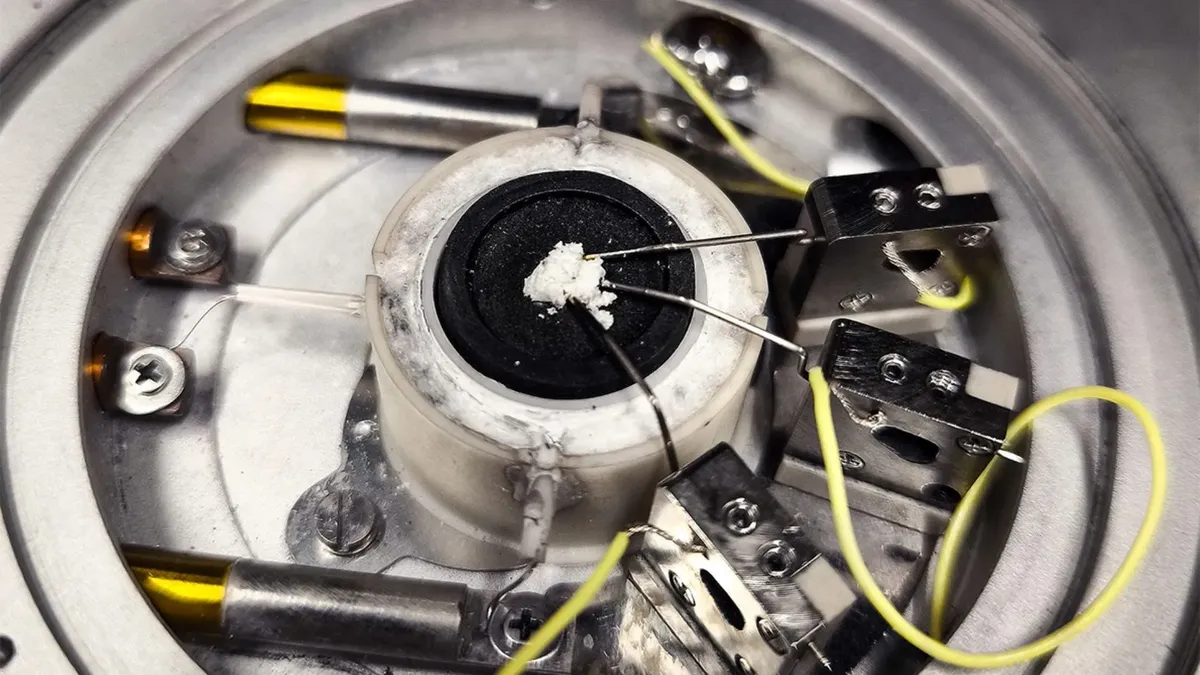
But if they pull it off, we could be looking at synthetic graphite for EVs, pulled directly from captured industrial emissions. Suddenly, that exhaust pipe doesn't look quite so villainous.