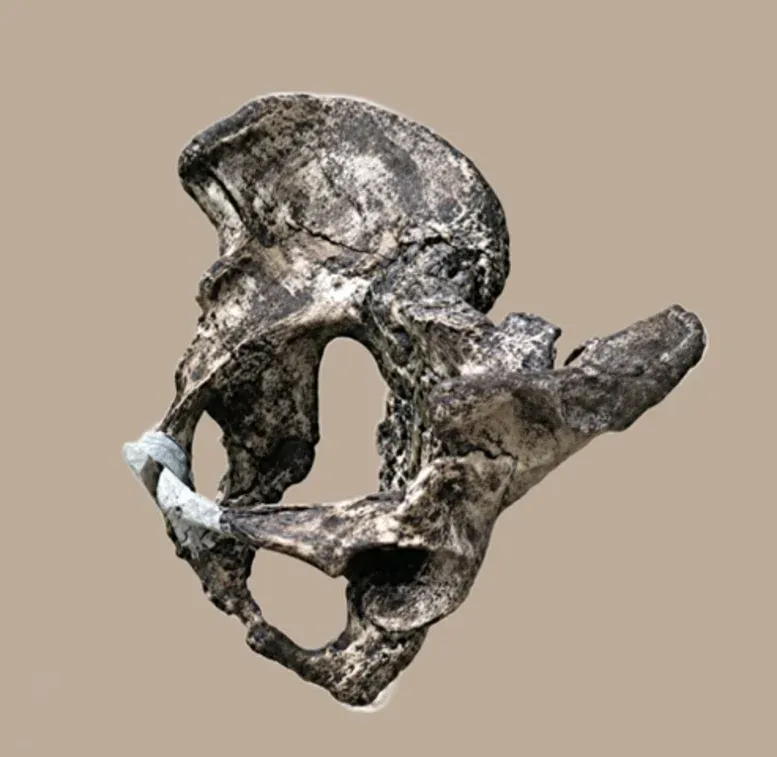
A 35,000-year-old Neanderthal pelvis might explain why men and women walk differently today. Every step puts stress on the pelvis as the body moves up and down. New research suggests this everyday movement could explain a key difference in male and female anatomy.
A study from Tel Aviv University compared Neanderthal and modern human pelvises. It found that the modern male pelvis, not the Neanderthal one, might be the evolutionary change.
Neanderthal Pelvises Resemble Modern Female Pelvises
Professor Yoel Rak led the research team. They looked at two nearly complete male Neanderthal pelvises. One was from Kebara Cave in Israel, and the other from Sima de los Huesos in Spain. They compared these to many modern human pelvises.
We're a new kind of news feed.
Regular news is designed to drain you. We're a non-profit built to restore you. Every story we publish is scored for impact, progress, and hope.
Start Your News DetoxThe Neanderthal pelvises, despite being large, were more like modern female pelvises in most ways. For a long time, scientists thought the Neanderthal pelvis was the unusual one. This new comparison suggests a different idea.
Neanderthals and modern human females may have kept an older, ancestral pelvis shape. The pelvis of modern human males, however, seems to have changed a lot. It developed its own unique anatomy.
Modern Male Hips May Improve Walking
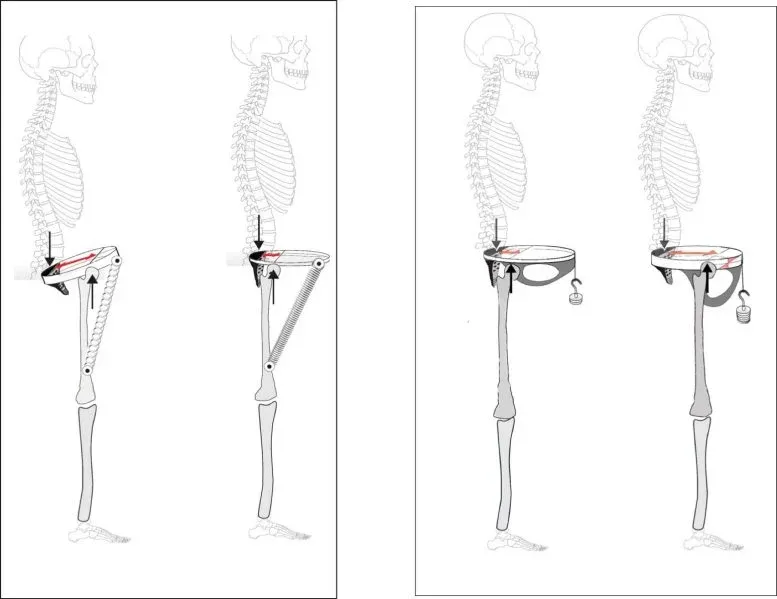
A main difference is where the hip joints are located. In modern men, they are further forward on the pelvis than in modern women or male Neanderthals. Researchers believe this shift created a system where the front thigh muscles act like a spring. This happens as body weight presses on the back of the pelvis.
Professor Rak explained that with each step, the body's center of mass drops. This puts stress on joints and takes energy to lift the body for the next step. The male pelvis's shape allows thigh muscles to soften this downward movement. They store energy and then release it, effectively "springing" the body upward into the next step.
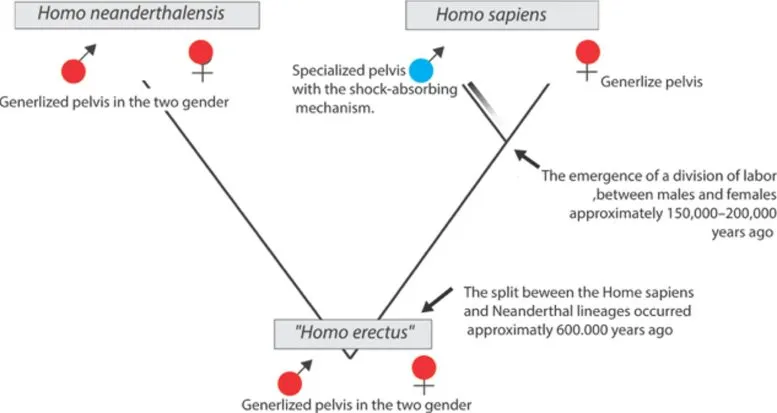
This makes the pelvis a natural shock absorber and energy return system. It could reduce energy use and make walking more efficient, especially for long distances. Moving the hip joints forward also likely caused other changes, like a thicker pubic bone.
Childbirth Kept the Ancestral Pelvic Pattern
Modern women could not have these same changes. Childbirth requires the pelvis to stay relatively shallow and wide enough for a baby to pass through. So, the female pelvis may have kept its older shape, similar to male Neanderthals.
Professor Ella Been, a co-author, noted that this study shows how questions about human evolution are still relevant today. Understanding how we walk can help with research in biomechanics, medicine, and injury prevention. The Neanderthal perspective helps us better understand the modern human body.
Professor Rak believes these findings change how we view pelvic evolution. The Neanderthal pelvis is not the odd one out. Instead, the unique pelvis of the modern human male is the evolutionary change.
The researchers think their model can explain many anatomical differences between men and women in the pelvis. It also suggests that even well-studied human anatomy might still hold new discoveries about its structures and mechanisms.
Deep Dive & References
Neandertal pelvis reveals specialized walking apparatus in human males - Scientific Reports, 2026