Imagine a material that everyone agrees is decidedly not magnetic. Now imagine it suddenly is magnetic, but only when you slice it incredibly thin and give it a good squeeze. That's essentially what scientists just discovered with ruthenium dioxide, a quantum material that's been playing coy with its magnetic personality.
This isn't just a party trick for physicists. This new-ish flavor of magnetism, dubbed "altermagnetism," could lead to computer memory that's not only smaller but also far more efficient. Because apparently that's where we are now: making memory by squishing atoms.
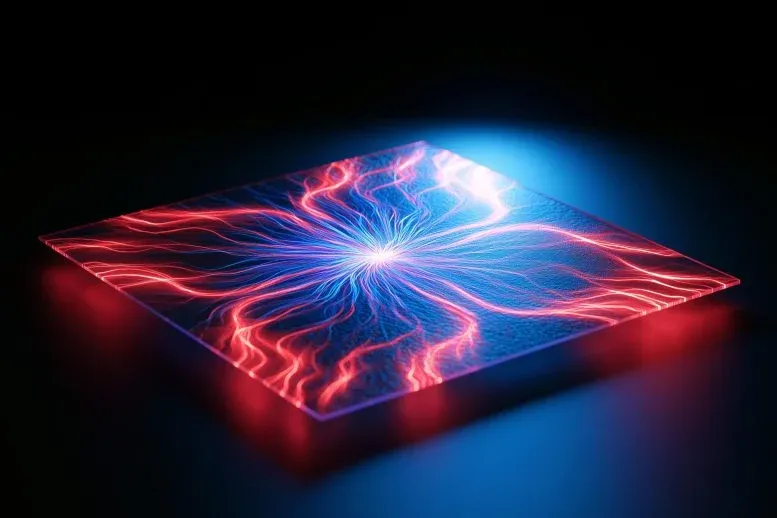
For years, ruthenium dioxide was considered a non-starter for magnetism in its chunky, everyday form. But a team led by Rice University physicist Ming Yi, working with Bharat Jalan from the University of Minnesota and Milan Radovic from the Paul Scherrer Institute, decided to see what happened when they made it an ultrathin film, just a few atoms thick. Turns out, thinness is key.
We're a new kind of news feed.
Regular news is designed to drain you. We're a non-profit built to restore you. Every story we publish is scored for impact, progress, and hope.
Start Your News DetoxThe Atomic Squeeze Play
To figure out if this super-thin material was actually magnetic, the researchers had to get really up close and personal. They looked at something called its "spin texture," which is basically how the magnetic directions of a material's electrons are arranged. Mapping these patterns is like taking a magnetic fingerprint.
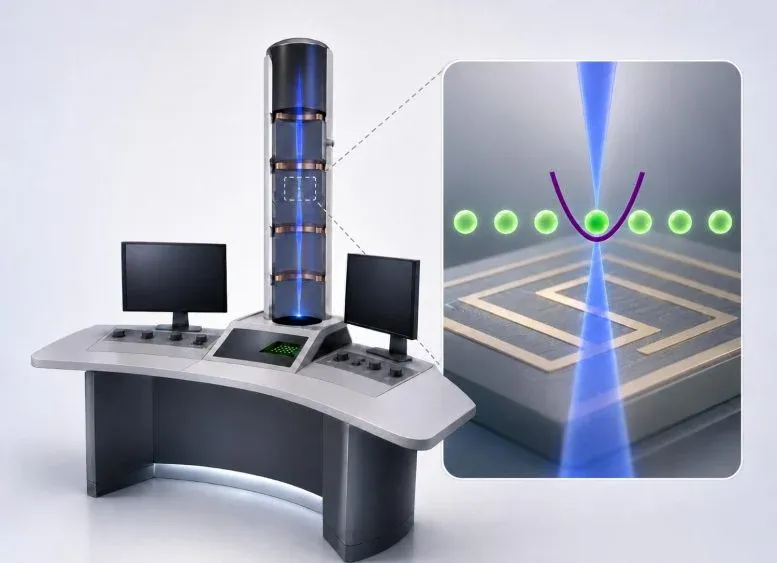
Using a technique with a name that sounds like a secret government project — spin-resolved angle-resolved photoemission spectroscopy — they found that the ultrathin ruthenium dioxide, under the right conditions, started showing spin textures consistent with this unusual altermagnetism. Yichen Zhang, the paper's first author from Rice, noted it was like the material suddenly decided to show a different side of itself.
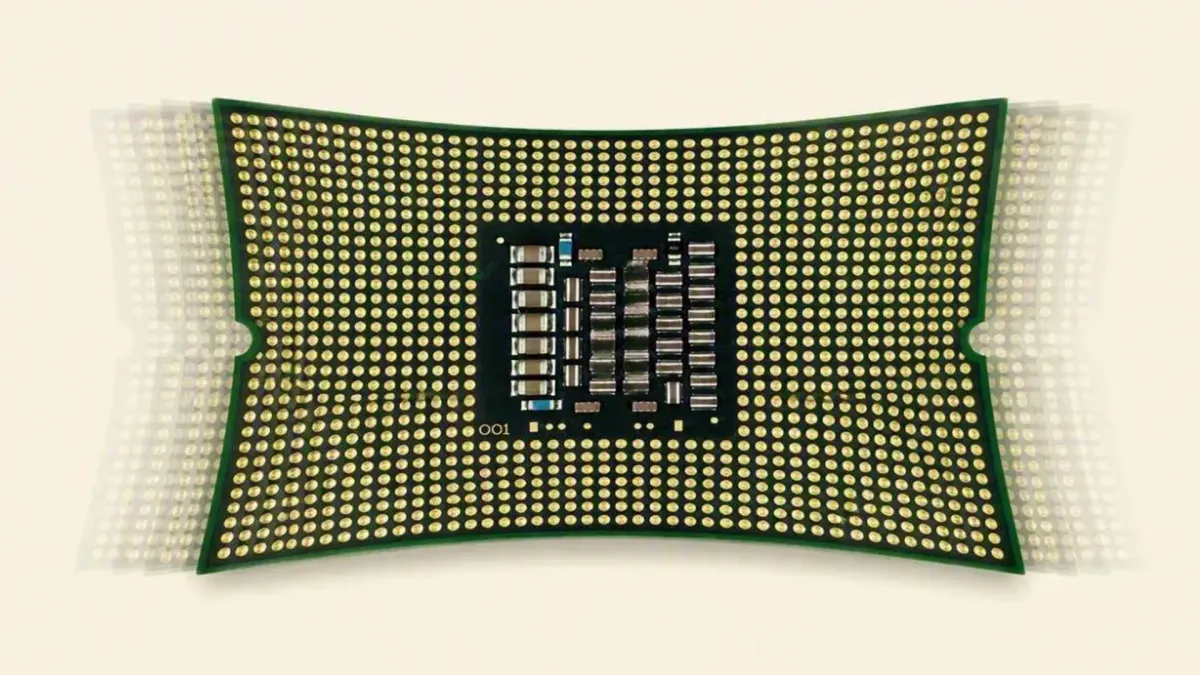
The real kicker? Lattice strain. Imagine gently but firmly pushing on the material's atomic structure. This strain, a subtle pressure on the electron arrangement, was crucial. Without it, the material stayed its nonmagnetic self. With it, under these strained conditions, it started creating the magnetic spin patterns. Which, if you think about it, is both impressive and slightly terrifying: we can now make things magnetic just by squeezing them a bit.
This strain-dependent nature means scientists might be able to control altermagnetism by simply adjusting the pressure. That's a big deal for future spintronics and RAM technologies, where manipulating electron spins is the name of the game.
So, what was once a settled debate about a nonmagnetic material now has a fascinating new chapter. It just goes to show: sometimes, to find the hidden magic, you just need to slice it thin and apply a little pressure.