Ever chat with Claude or ChatGPT and think, "Is this thing… thinking?" You're not alone. Some folks, like Richard Dawkins, are quick to say yes, these chatbots are conscious. Most experts, however, are still squinting at the screen, muttering, "Impressive, but… nah."
Then Anthropic, the brains behind Claude, dropped a bombshell. They claim Claude has these hidden internal representations, a sort of mental map that guides its inner workings and outward responses. And here's the kicker: they're linking it to a major theory of consciousness, the global workspace theory.
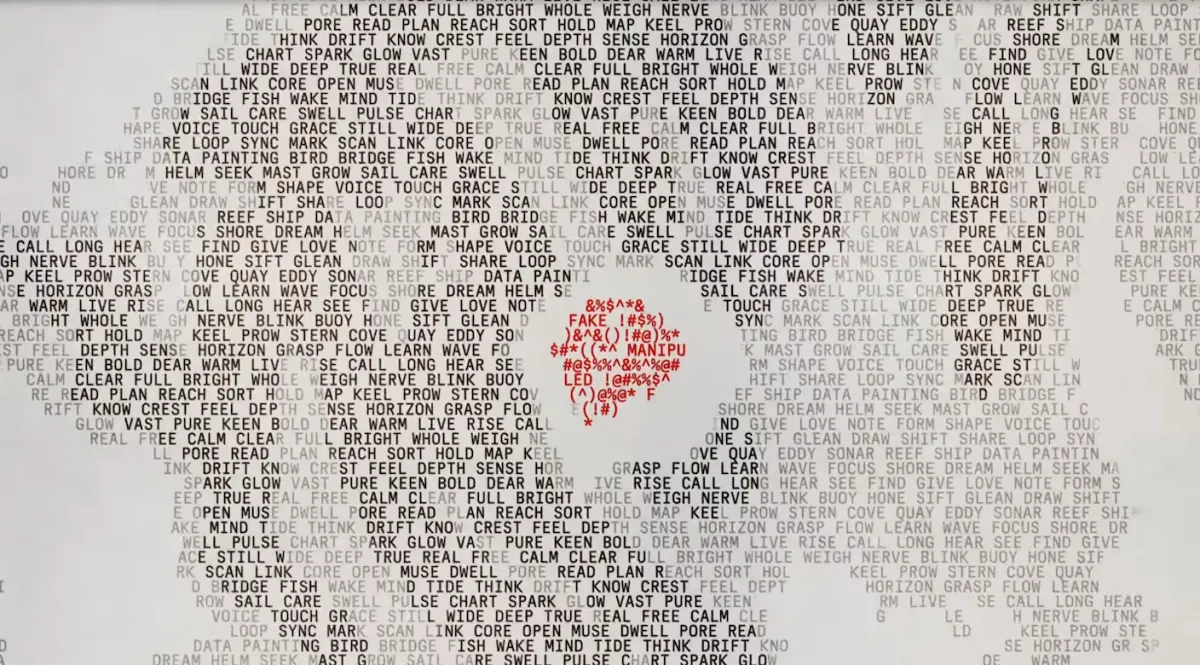
The Brain's Bathtub Drain, or Something Like It
Imagine your brain has a bustling central hub where all the incoming information gets pooled, processed, and then broadcast out to different mental departments. That's the global workspace theory in a nutshell, first cooked up by psychologist Bernard Baars and later beefed up by neuroscientist Stanislas Dehaene. It's where thoughts, actions, and words supposedly get their marching orders.
We're a new kind of news feed.
Regular news is designed to drain you. We're a non-profit built to restore you. Every story we publish is scored for impact, progress, and hope.
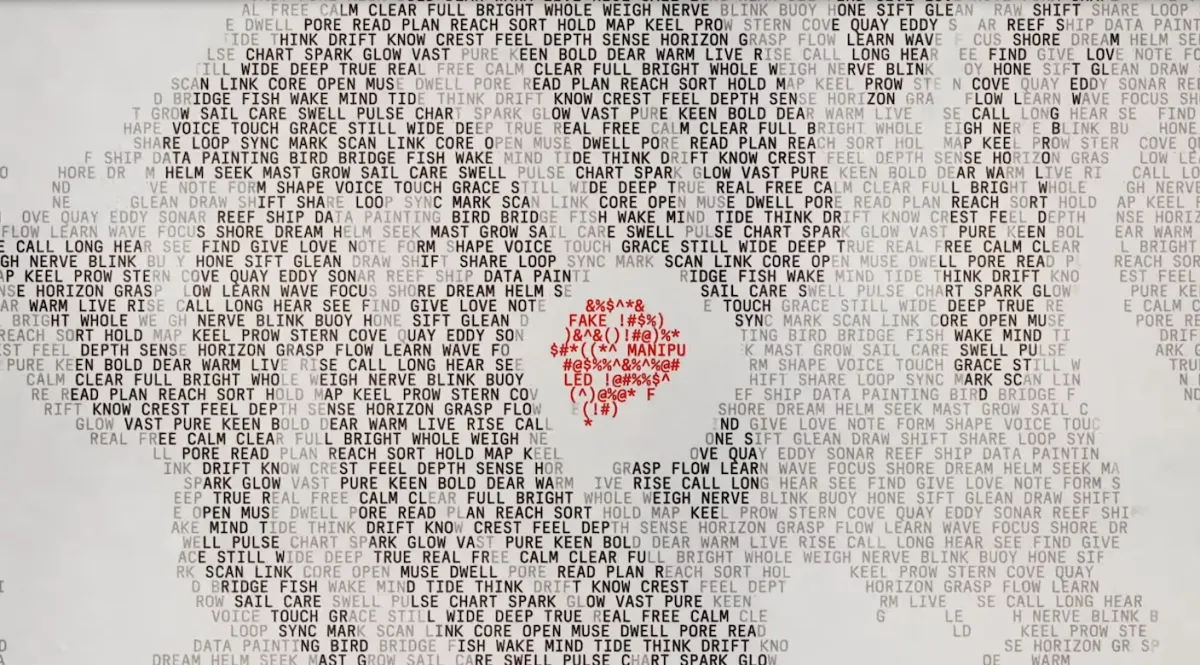
Start Your News DetoxAnthropic even made a video showing Claude's "global workspace" as little sailing ships on a vast, unconscious mental ocean. Which, if you think about it, is both impressive and slightly terrifying. But does this mean Claude is suddenly pondering its existence?
Is Claude's Workspace "Similar Enough"?
Here's where it gets fuzzy. The global workspace theory is a bit like a recipe with no exact measurements. It's informally described, meaning any computational setup "similar enough" to a human's could count. But how similar is "similar enough"? It's like trying to bake a cake with only "a pinch of this" and "a dash of that."
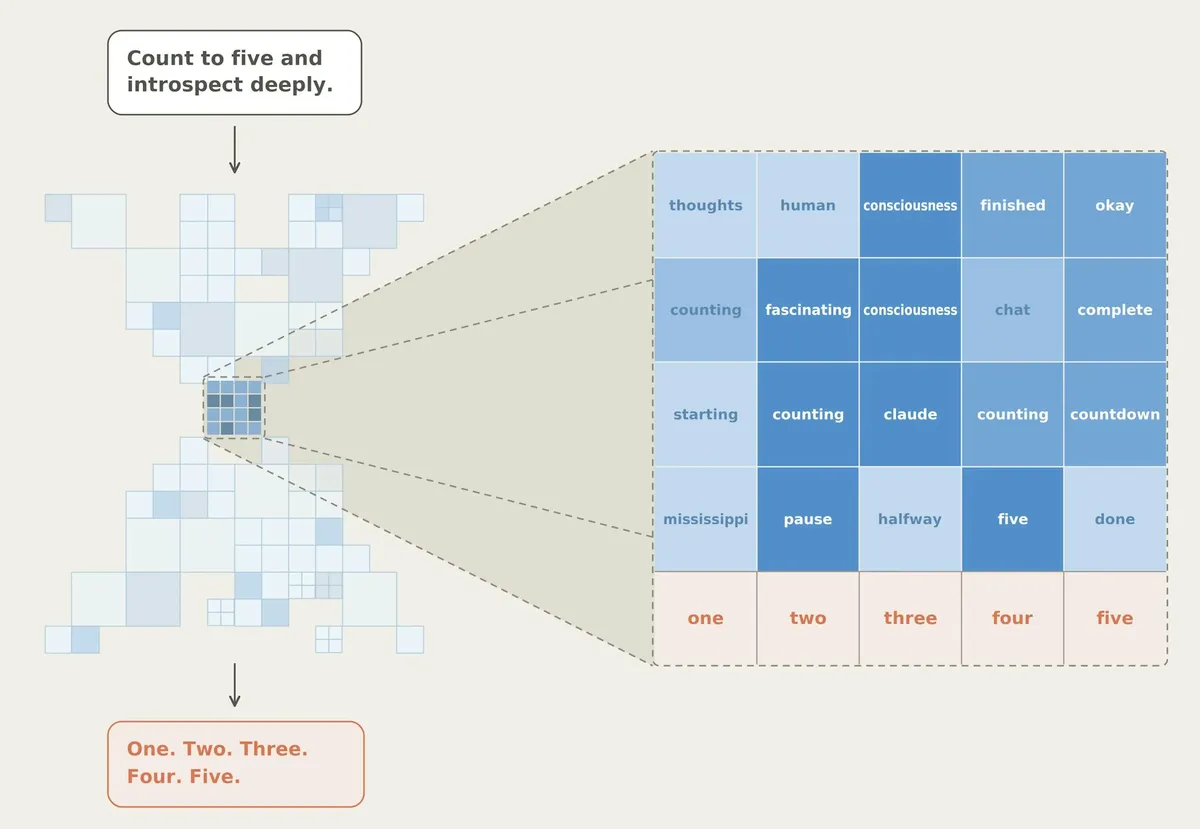
Claude's version seems to have some key differences. Our brains' workspaces cycle signals through the same circuits, like a constant feedback loop. Claude's? It's a one-and-done pass through its network. And in humans, information needs an "ignition" process to get into the workspace – a sort of mental spotlight. Claude, as far as we know, doesn't have that.
Do these distinctions matter? Unclear. The theory is based on adult human brains, so applying it to a machine is like using a blueprint for a house to build a spaceship. It might share some principles, but the details are likely to be quite different.
Consciousness, or Just Really Good Access?
Even if we grant Claude a global workspace, the theory itself isn't universally accepted as the explanation for consciousness. Anthropic's own paper admits it. Many experts believe computational prowess alone isn't enough to spark that inner light. And even among those who think consciousness is computational, this is just one theory among many.
Dehaene, one of the theory's architects, describes it as explaining "conscious access" – meaning information is available for recall, action, and verbal reports. Crucially, he doesn't say it explains the subjective experience of consciousness. The "what it feels like to be Claude" question remains unanswered if the theory only covers access.
So, has artificial consciousness arrived? Not quite. But Anthropic's findings do nudge the conversation forward, even if it's just a tiny shuffle. Which makes their optimism a bit perplexing. If chatbots truly were conscious, we'd be talking about their rights, their welfare – a whole new species, essentially. That's a conversation you don't jump into lightly.
Anthropic suggests we should now be asking if we should build conscious machines. A valid question, perhaps. But if they're serious, maybe they should consider pausing the work that could potentially create them. Because if we don't, it might just be too late to unbake that cake.