Just when you thought Stonehenge couldn't get any more mysterious, archaeologists have gone and found what looks suspiciously like its first draft. Turns out, our ancient ancestors were practicing their celestial architecture long before they hauled those massive stones into place.
British firm Wessex Research — because of course it's a British firm finding ancient British things — announced the discovery just before the summer solstice. Thousands still gather at Stonehenge for that particular sun show, so it seems some traditions really do stick.
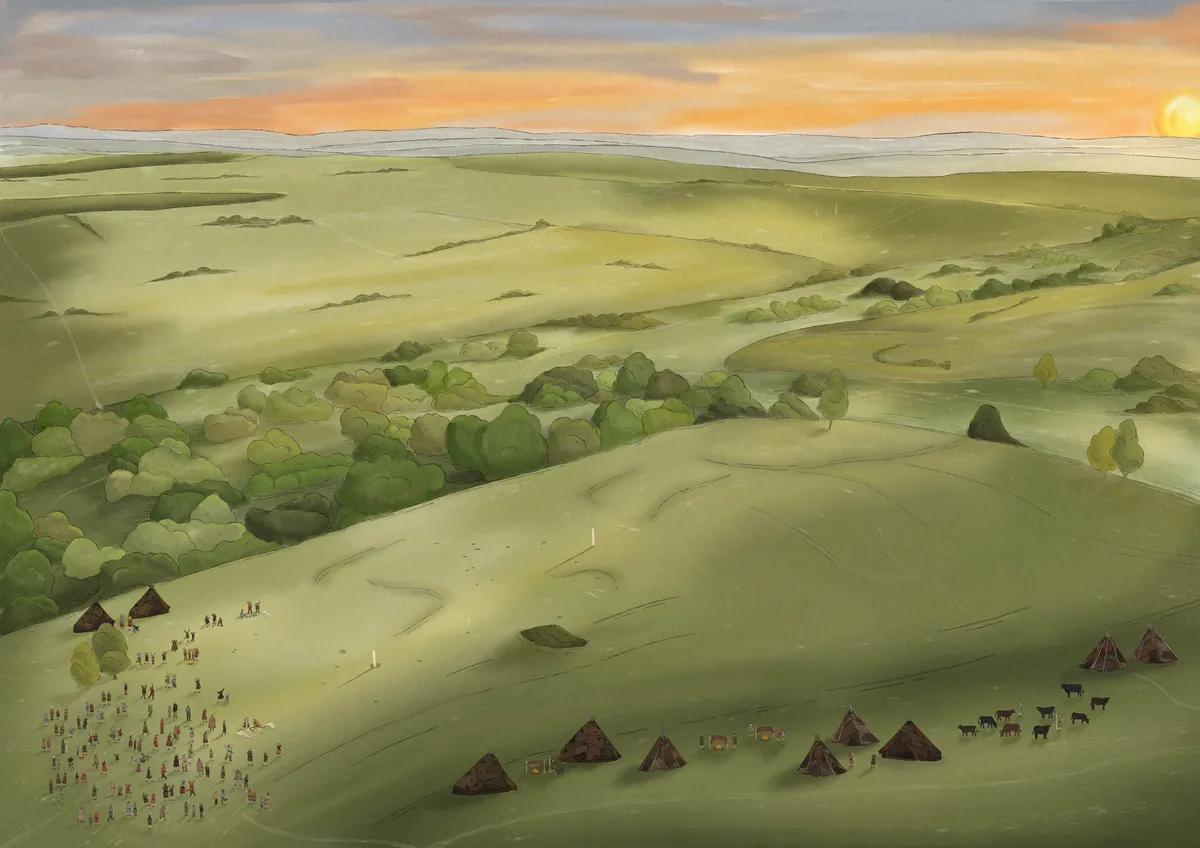
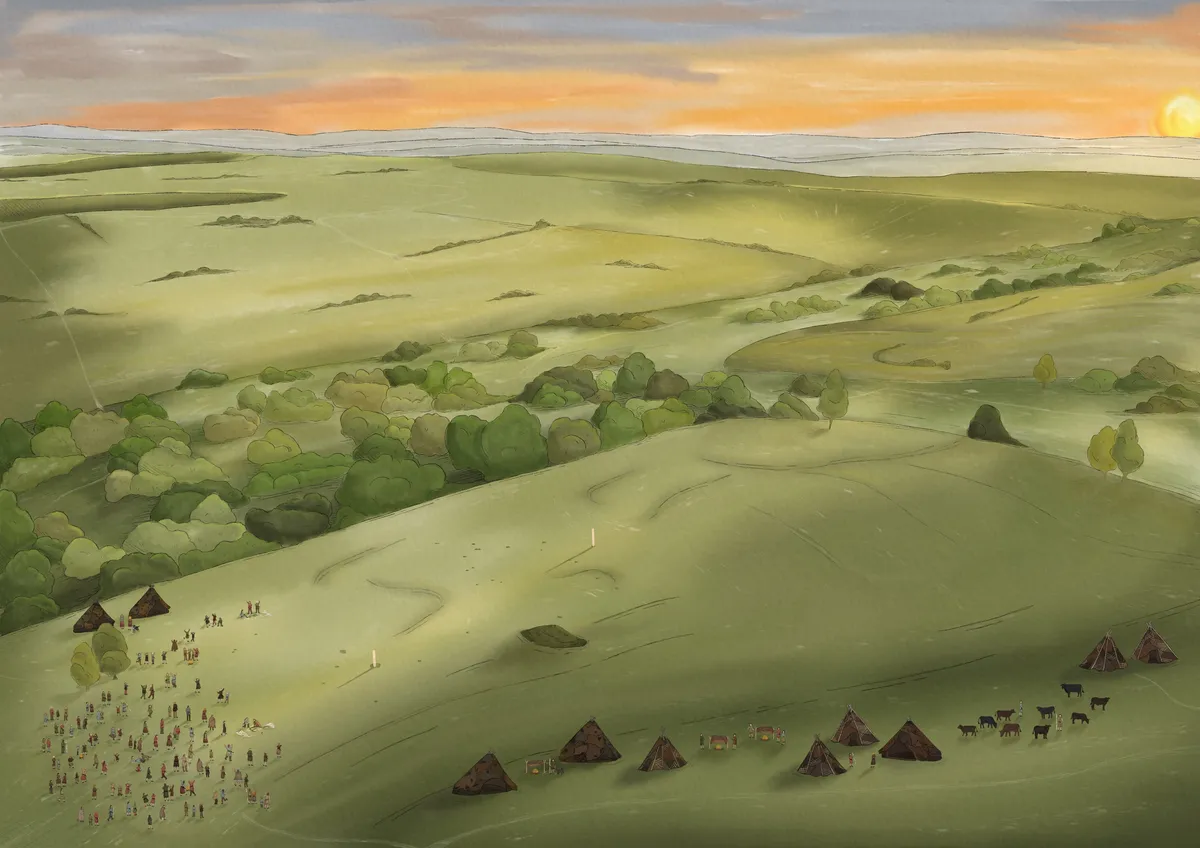
They found the site in Bulford, a mere three miles from the main event, while digging for new housing for the British Ministry of Defense. Because apparently that's where ancient prototypes hide now. The star discovery? Two postholes, a whopping 400 feet apart, precisely aligned to catch the summer solstice sunrise and the winter solstice sunset. Sound familiar? It's the exact same party trick as Stonehenge's altar and heel stones.
We're a new kind of news feed.
Regular news is designed to drain you. We're a non-profit built to restore you. Every story we publish is scored for impact, progress, and hope.
Start Your News DetoxThe excavations, which happened between 2015 and 2017, also unearthed pits dating back to 2950 BC — roughly when Stonehenge itself first started taking shape. They even found pottery, animal bones, and charcoal, suggesting these weren't just a couple of guys with a stick. This was a whole community showing up for seasonal gatherings.
Dr. Fabio Silva, a skyscape archaeologist (which sounds like the coolest job title ever), confirmed the alignment. He pointed out that communities were already throwing solstice parties in the Stonehenge area centuries before anyone even thought about moving monumental rocks. It suggests Stonehenge wasn't some spontaneous flash of genius, but rather the culmination of existing, deeply rooted traditions.
Matt Leivers, a senior research manager, called it "the religion of the Stone Age made manifest in the ground." He admitted they don't know exactly what the sun meant to these folks, but the sheer effort put into marking its movements tells us it was a Big Deal. A really, really big deal, one that resonated across the landscape for thousands of years.
Phil Harding, the team leader, described it as a once-in-a-lifetime find. Which, if you think about it, is a pretty good day at the office for an archaeologist.