Filming marine life in Antarctica is less about cinematic glory and more about frozen fingers and a whole lot of waiting. Just ask Kaitlin Allen and her team at Woods Hole Oceanographic Institution. They drop cameras, cross their fingers, and only find out what they've captured after pulling the gear out of the icy water and connecting it to a laptop. It's like a really, really cold lucky dip.
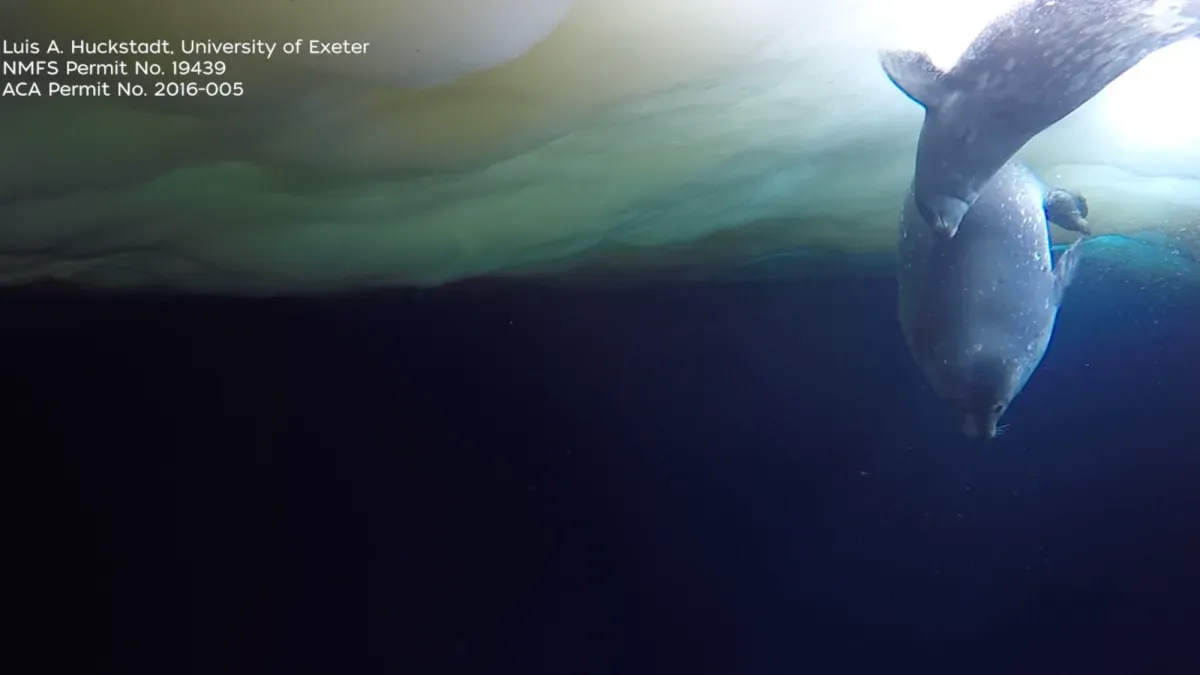
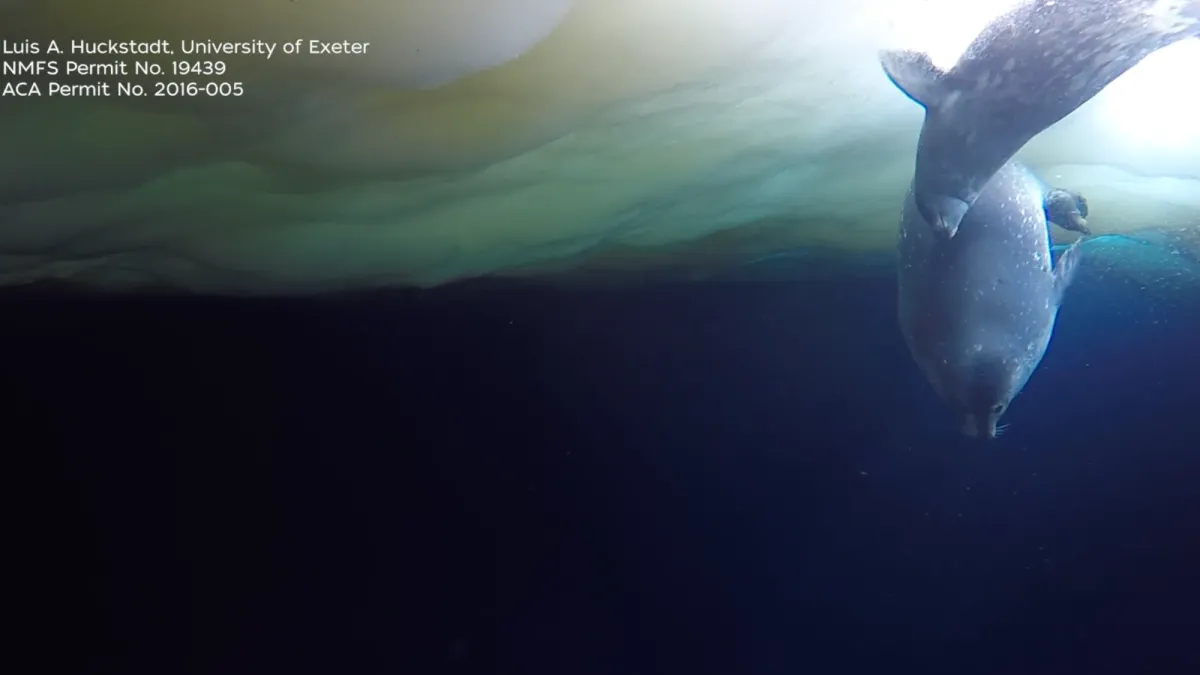
Sometimes, it's just a lot of blue. Other times, you hit the jackpot. And in 2015, Allen's team hit the jackpot with footage of a Weddell seal mom and her pup, gliding through the water under thick sea ice, occasionally popping up through a breathing hole. What they caught was more than just cute; it was a rare glimpse into some seriously dedicated parenting.
The World's Most Patient Swim Instructor
Allen calls it a "swimming lesson," which, for a seal, is practically unheard of. Most marine mammals operate on a "nurse 'em and leave 'em" policy when it comes to swimming. But Weddell seals (Leptonychotes weddellii) are not most marine mammals. They're the southernmost breeding mammals on Earth, which means their pups are born on sea ice. Learning to navigate the frozen world isn't optional; it's survival.
We're a new kind of news feed.
Regular news is designed to drain you. We're a non-profit built to restore you. Every story we publish is scored for impact, progress, and hope.
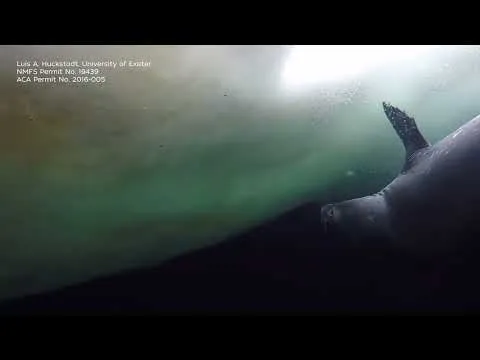
Start Your News DetoxIn the video, the mom waits patiently in the water, essentially coaxing her little one to follow for a milk reward. The pup, for its part, is figuring out how to hold its breath, navigate the icy labyrinth, and find the all-important breathing holes. If the little one struggles, mom is right there, ready to nudge it out of the water. They even use their teeth to scrape the ice, creating better grip for the pup. Because apparently, even seals need a little traction control.
Weddell moms are also master alchemists, transferring a massive amount of energy (and iron) to their pups through milk, all while fasting themselves. A mother seal can shed about 300 pounds in less than two months — which, if you're keeping track, is roughly the weight of a small refrigerator. This iron transfer is crucial for the pups to develop the ability to hold their breath for over an hour. For humans, such an iron loss would be catastrophic. For a Weddell seal, it's just Tuesday.
Allen and her team are now diving into this "seal-ious enigma," trying to understand how these incredible mothers manage such a feat. Because apparently, the secret to super-diving might just be in the milk.