Today, the cosmos reminded us just how little we know, while down here on Earth, humanity continued its relentless march toward making things work better, faster, and smarter. From black holes to tiny quantum engines, it seems the rules are constantly being rewritten.
The Universe is Still Playing Hard to Get
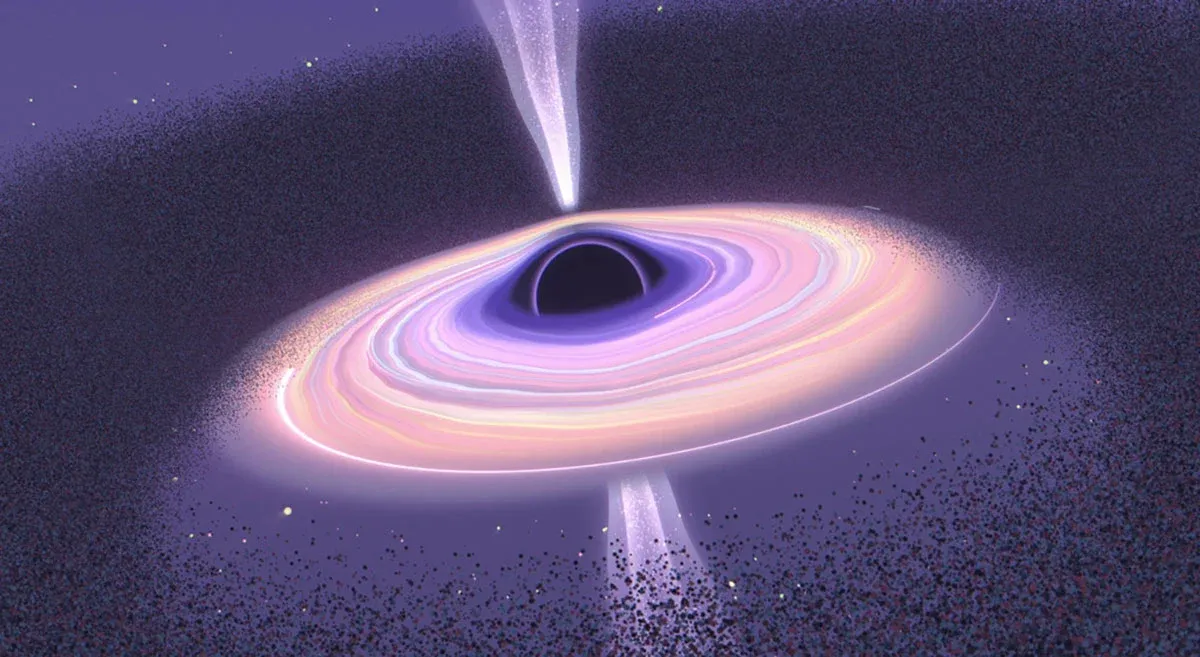
Just when you think you've got a handle on things, astronomers come along and pull the rug out. This week, we learned that runaway supermassive black holes might be detectable by the dust they leave behind. Forget directly observing these galactic escape artists; it's the subtle disruptions in quasar dust patterns that could give them away. Meanwhile, deep beneath the Pacific, scientists may have finally solved a decades-old mystery about how Earth’s largest oceanic plateau formed, all thanks to a thermochemical plume – essentially, a hot rock cocktail. And if that wasn't enough, China is now proposing to zap moon rovers with lasers for power near the lunar south pole. It seems the universe prefers its secrets served with a side of paradox.
This means that the next time you feel like you've got all the answers, remember there's always a cosmic dust trail or a laser-powered lunar future waiting to surprise you.
We're a new kind of news feed.
Regular news is designed to drain you. We're a non-profit built to restore you. Every story we publish is scored for impact, progress, and hope.
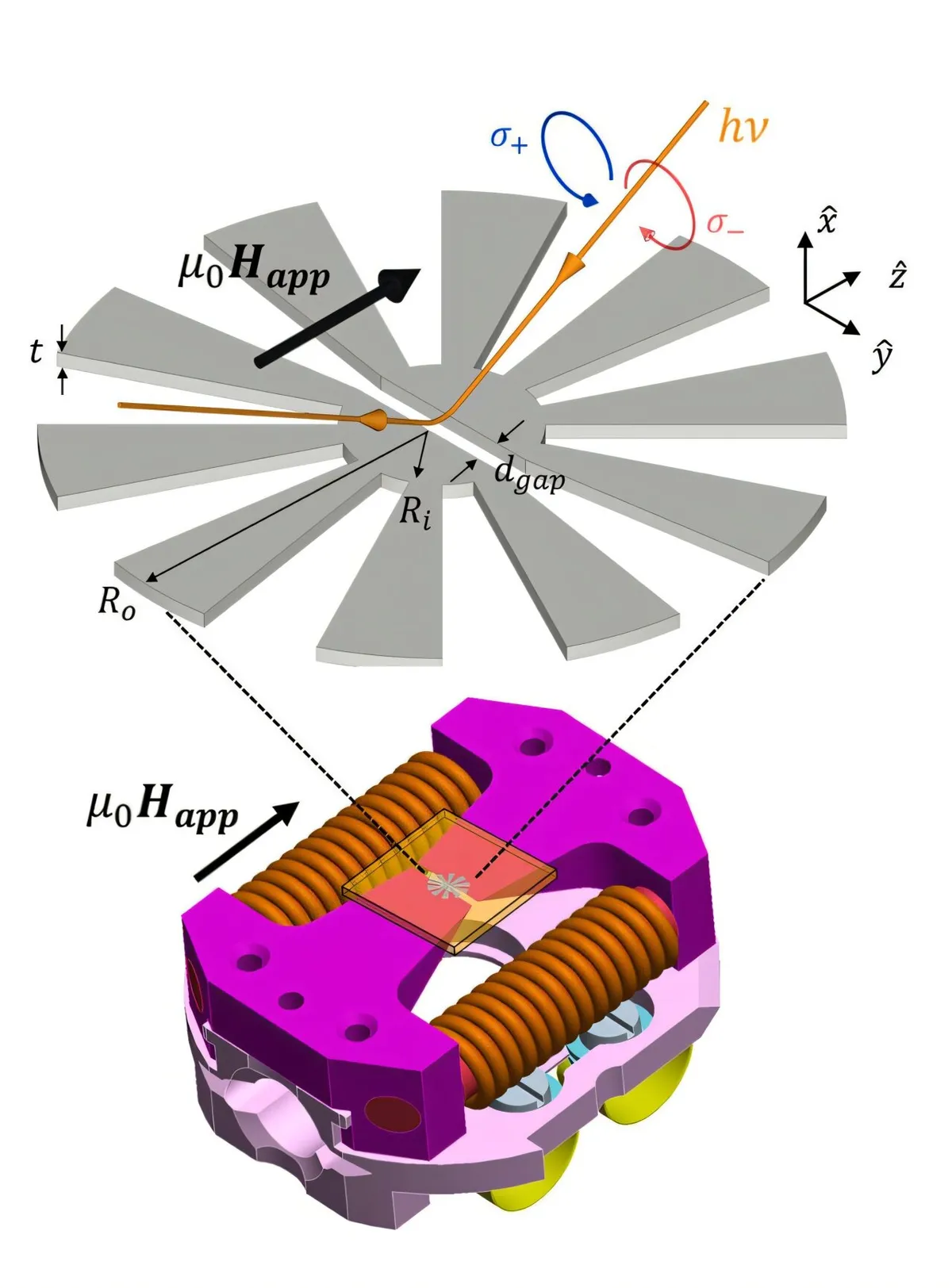
Start Your News Detox"Scientists at Aalto University in Finland have built the world’s first cyclic heat engine, operating inside a superconducting circuit and using a minuscule amount of heat from a quantum refrigerator to convert it into useful work." — Read the full story
Big Problems, Small Solutions (and Smart Teenagers)
While the universe expanded, so did our ingenuity, often in surprisingly compact packages. Scientists in Finland unveiled a tiny quantum engine that could drastically cut the cost of supercomputers. It's about harnessing minuscule amounts of heat for useful work, proving that sometimes, the smallest solutions pack the biggest punch. And speaking of small but mighty, Greece launched firefighting nanosatellites no larger than a carry-on, specifically to detect wildfires as small as four meters across. It’s a literal high-tech eye in the sky, providing hourly updates to emergency services. 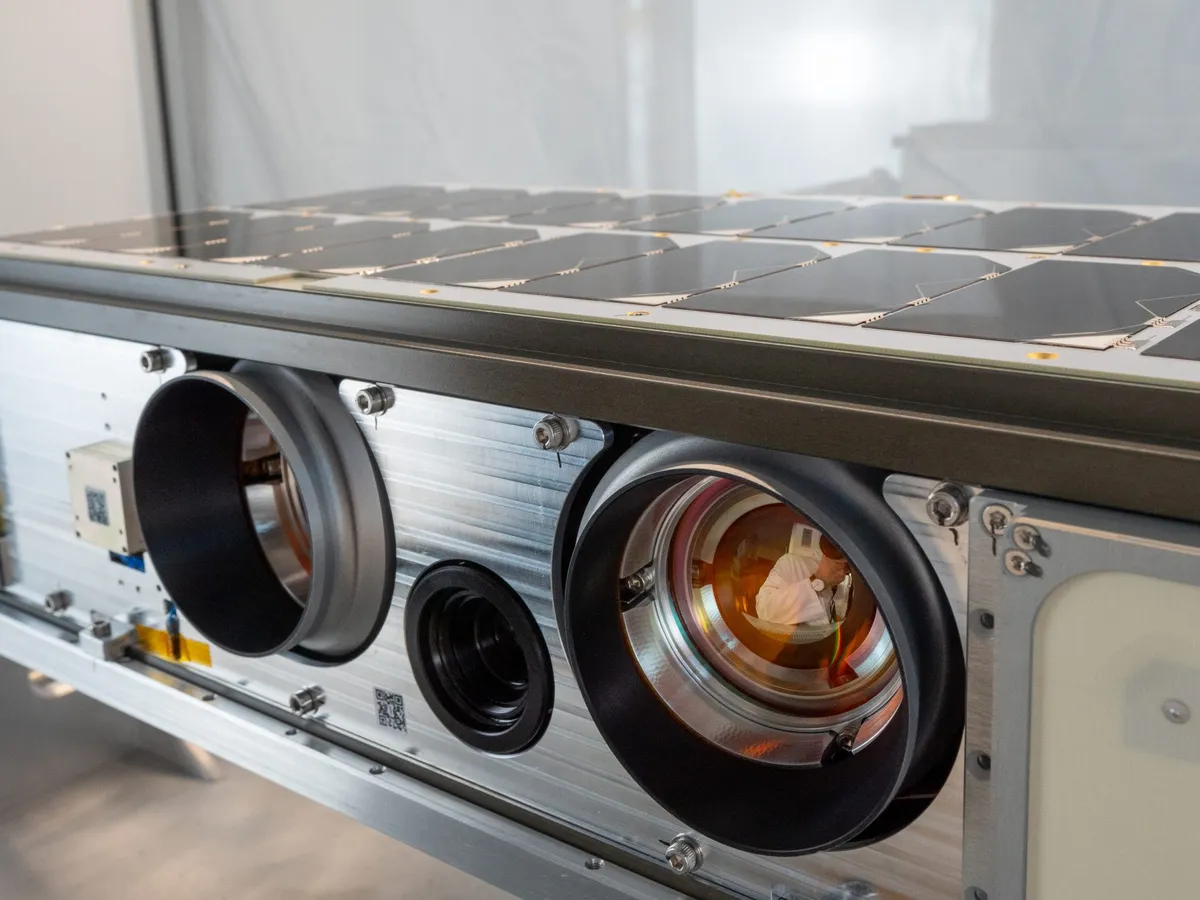
But perhaps the most inspiring 'small solution' came from a 16-year-old in Florida. Elise Raurell, remembering her own fear during Hurricane Irma, created Storm Smart, an educational program to teach kids how to prepare for hurricanes. This isn't just about satellites and quantum physics; it's about practical, human-centered innovation. 
What this means for you: The biggest challenges often yield the most elegant, compact, and sometimes, the most human, solutions.
Hope stat: 4 — meters, the smallest wildfire size Greece's new nanosatellites can detect.
Watch this space: The continued miniaturization of technology is making solutions to massive problems more accessible than ever.