Bees and hummingbirds might be getting a little buzz as they collect nectar. Scientists at the University of California, Berkeley, found alcohol in the nectar of many flowers. This means these pollinators are regularly drinking fermented nectar.
Alcohol in Flowers
The study was the first large-scale look at alcohol in floral nectar. Researchers found ethanol in at least one flower sample from 26 out of 29 plant species tested. Most samples had tiny amounts, likely from yeast fermenting the natural sugars in nectar. One sample had 0.056% ethanol, which is very low.
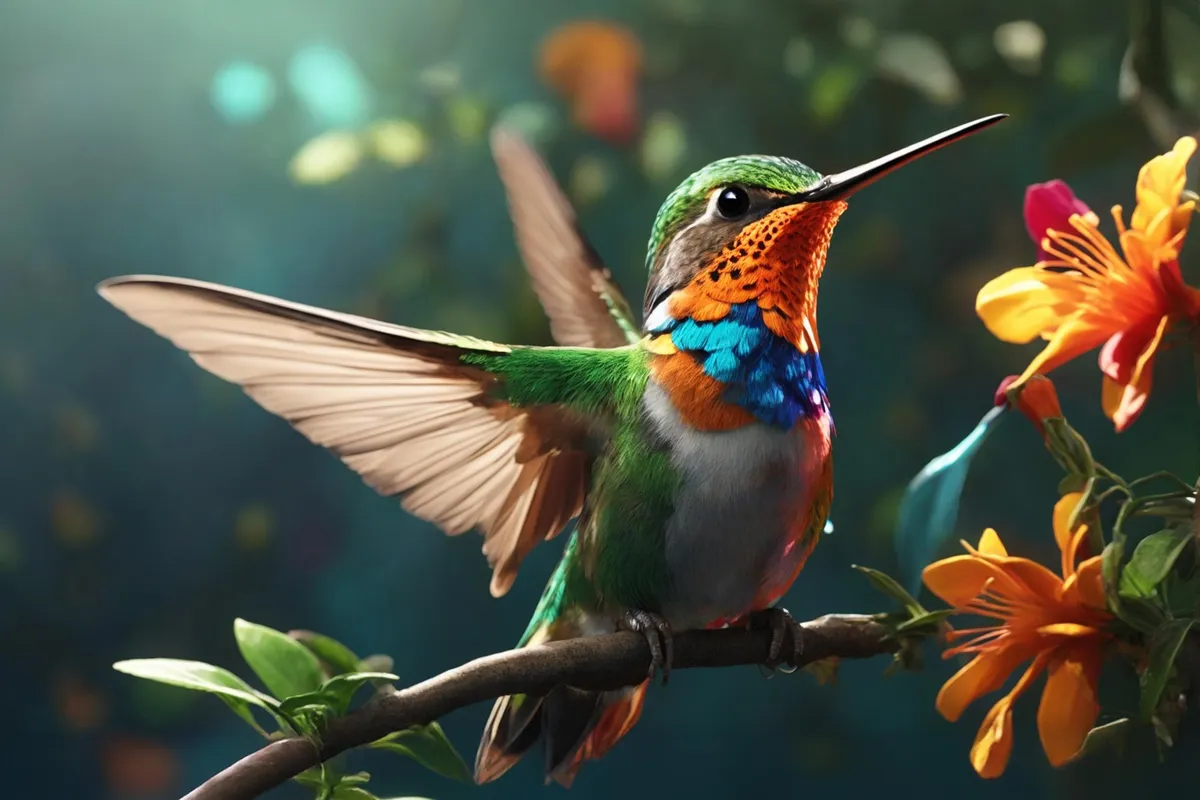
Hummingbirds drink a lot of nectar, sometimes 50% to 150% of their body weight daily. An Anna’s hummingbird (Calypte anna) might take in about 0.2 grams of ethanol per kilogram of body weight each day. This is like a human having one alcoholic drink.
We're a new kind of news feed.
Regular news is designed to drain you. We're a non-profit built to restore you. Every story we publish is scored for impact, progress, and hope.
Start Your News DetoxEven with this regular intake, the animals seem fine. Earlier studies showed hummingbirds would drink sugar water with up to 1% alcohol. However, they were less interested if the concentration was higher.
How Alcohol Might Affect Pollinators
Scientists believe alcohol could still affect animals in subtle ways. Other natural compounds in nectar, like caffeine and nicotine, are known to change pollinator behavior.
Aleksey Maro, a doctoral student, noted that hummingbirds burn through energy quickly. So, alcohol might not build up in their blood. He suggested alcohol could have other effects beyond just a "buzz," similar to how it affects humans.
Robert Dudley, a UC Berkeley professor, added that the alcohol might have benefits for their foraging. He thinks they probably aren't getting drunk because they process it so fast. But it could still impact their behavior.
The findings were published in Royal Society Open Science by Maro, Corl, Dudley, and coauthors Rauri Bowie and Jimmy McGuire.
Experiments Show Alcohol Tolerance
One experiment involved putting alcohol-laced sugar water in a feeder outside Dudley's office. Anna’s hummingbirds drank it when alcohol levels were below 1%. But visits dropped by half when it reached 2%. This suggests they control how much they drink.
Another study found ethyl glucuronide in bird feathers. This is a byproduct of ethanol metabolism, showing birds process alcohol like mammals. These results suggest many animals, including human ancestors, might have developed a tolerance or even a preference for alcohol.
Ammon Corl explained that the lab tests show birds drink ethanol, but avoid high amounts. The feather analysis confirms they metabolize it. This new study shows ethanol is common in the nectar they consume.
Comparing Alcohol Intake
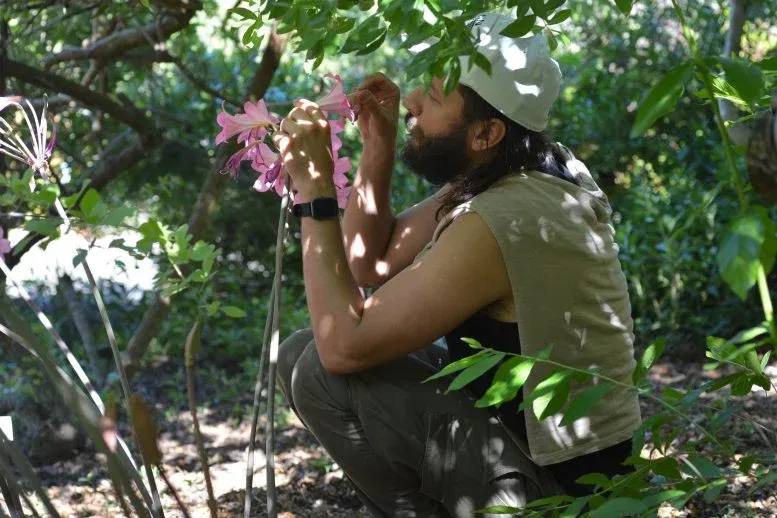
Scientists measured ethanol levels in nectar samples. They then estimated daily alcohol intake for birds in natural habitats. They focused on two hummingbird species and three sunbird species. Sunbirds in Africa play a similar role to hummingbirds in the Americas.
The team compared bird intake to other nectar-feeders like the European honeybee and the pen-tailed tree shrew. They also looked at fruit-eating chimpanzees and humans.
The pen-tailed tree shrew had the highest estimated intake at 1.4 g/kg/day. European honeybees had the lowest at 0.05 g/kg/day. Nectar-feeding birds consumed similar amounts, from 0.19 to 0.27 g/kg/day. Interestingly, hummingbirds might drink more alcohol from artificial feeders than from flowers.
Evolutionary Adaptations
This study is part of a larger project to collect genetic data from all hummingbird and sunbird species. Researchers want to understand how these animals adapted to tough environments and special diets. This includes high altitudes, sugary nectar, and naturally fermented nectar.
Dudley believes these studies show a wide range of adaptations to dietary ethanol across the animal kingdom. Human responses to alcohol might not be typical for all animals. He noted that animals consuming alcohol daily might have different detoxification pathways or nutritional effects. This chronic exposure means more study is needed on the comparative biology of ethanol intake.
Deep Dive & References
Low-level ethanol is widespread within floral nectar - Royal Society Open Science, 2026