Turns out, getting hit by a giant space rock might have been exactly what early Earth needed. Scientists in South Korea just unearthed evidence suggesting that asteroid impact craters weren't just big holes in the ground; they were actually cozy, mineral-rich nurseries where life, specifically the oxygen-producing kind, could really thrive.
Deep inside the Hapcheon impact crater — Korea's only confirmed asteroid scar — researchers from KIGAM found ancient, layered rock formations called stromatolites. Think of them as the fossilized apartment buildings of some of Earth's earliest microbes. And these particular tenants were busy making oxygen.
These stromatolites, some 10 to 20 centimeters wide, were likely chilling in a hot lake that formed right after a massive asteroid made its grand entrance. The impact's molten rock kept the water toasty and infused it with all sorts of lovely minerals. Basically, a five-star resort for tiny organisms looking to photosynthesize their way into existence.
We're a new kind of news feed.
Regular news is designed to drain you. We're a non-profit built to restore you. Every story we publish is scored for impact, progress, and hope.
Start Your News DetoxThe Great Oxygenator Origin Story
This discovery isn't just a cool geological find; it's a potential missing piece in the puzzle of the Great Oxidation Event (GOE). That's the rather dramatic period about 2.4 billion years ago when Earth's atmosphere suddenly decided it needed a lot more oxygen.
Researchers now suspect these hot, isolated crater lakes were like mini oxygen oases. Safe havens where cyanobacteria — the tiny powerhouses behind these stromatolites — could happily pump out oxygen, long before it became a planet-wide phenomenon. Chemical tests on the stromatolites showed traces of both cosmic material and the surrounding rock, plus clear signs of hot water alteration, especially in the older layers. It's a timeline of a slowly cooling, life-giving hot tub.
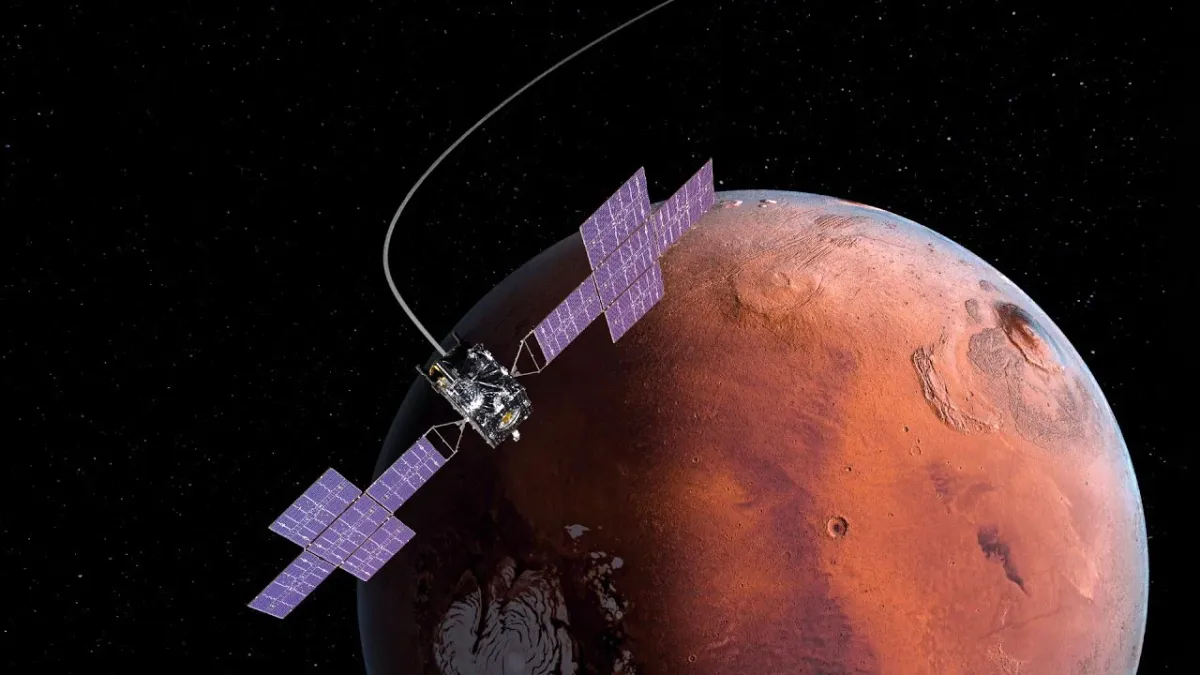
And because science loves to think big, these findings also have implications for Mars. If early Mars was, as we suspect, covered in water-filled impact craters, then similar environments there could be prime real estate for hunting down ancient microbial life. Because if it worked here, why not there?
Dr. Jaesoo Lim, the lead author, sums it up: this is the first solid evidence that stromatolites could form in these post-impact hot lakes. Which, if you think about it, is both impressive and slightly terrifying that a cosmic punch could kickstart our breathable air.