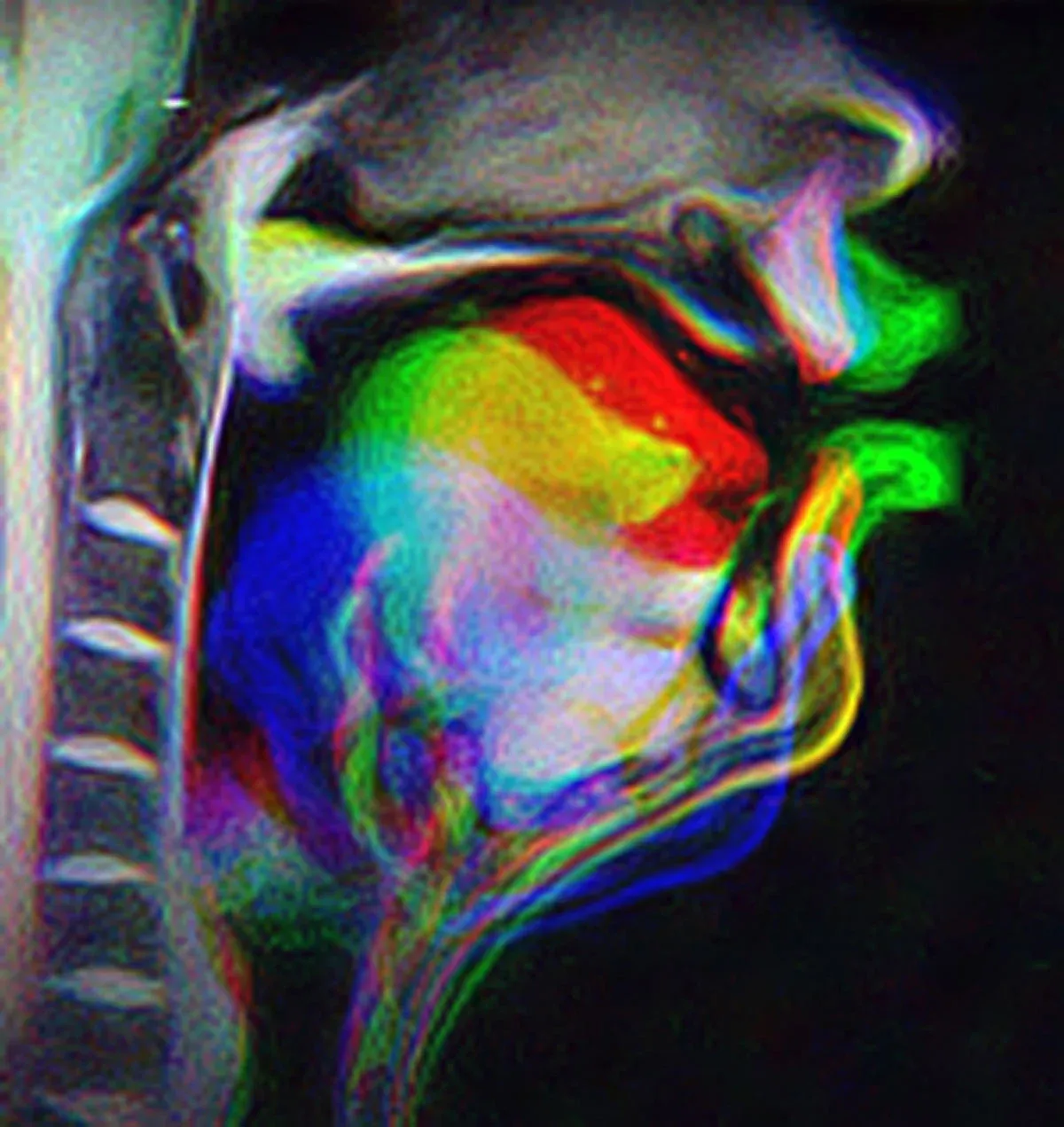
For decades, scientists thought that when you learned to speak – whether a new language or relearning after an injury – your brain's motor regions, the ones controlling your mouth and face, were doing all the heavy lifting. Makes sense, right? You move your mouth to make sounds. Apparently, that's where we were wrong.
A groundbreaking new study from McGill University and the Yale School of Medicine just flipped that idea on its head. Their research suggests that the real MVPs of speech learning aren't your motor regions at all. Instead, it's your sensory systems: the auditory cortex (which processes sound) and the somatosensory cortex (which handles physical sensation).
Think about that for a second. It's not about how you move your mouth; it's about how you hear yourself and feel the vibrations. Which, if you think about it, is both impressive and slightly terrifying for anyone who's ever tried to learn a new accent.
We're a new kind of news feed.
Regular news is designed to drain you. We're a non-profit built to restore you. Every story we publish is scored for impact, progress, and hope.
Start Your News DetoxThe Brain Hack That Proved It
To figure this out, the researchers got clever. They had participants speak into a microphone, but then played back their own voices slightly altered through headphones. This forced the participants to adjust their speech to correct for the changes, essentially tricking their brains into learning new speech movements.
Then came the real test. Using transcranial magnetic stimulation (TMS), a technique that can temporarily disrupt brain activity, they targeted three key areas: the auditory cortex, the somatosensory cortex, and the motor cortex. The idea was simple: if an area was crucial for learning, disrupting it would mess with memory.
They waited 24 hours (because memories need to consolidate, even in science experiments) and then re-tested. The results were clear: zapping either the auditory or somatosensory cortex significantly hobbled the participants' ability to remember the new speech patterns. But hitting the motor cortex? No noticeable effect. Zip. Nada. The motor regions just shrugged and kept on keeping on.
As Nishant Rao, an associate research scientist at Yale, put it, this study pretty much blows up the long-held belief that new speech memories are solely motor-based. It's all about the sensory input.
This isn't just a fascinating brain fact. It could revolutionize everything from speech recognition tech to therapies for stroke patients. Imagine a future where speech recovery isn't just about moving your mouth, but about retraining your ears and the feel of sound. Now that's something to talk about.