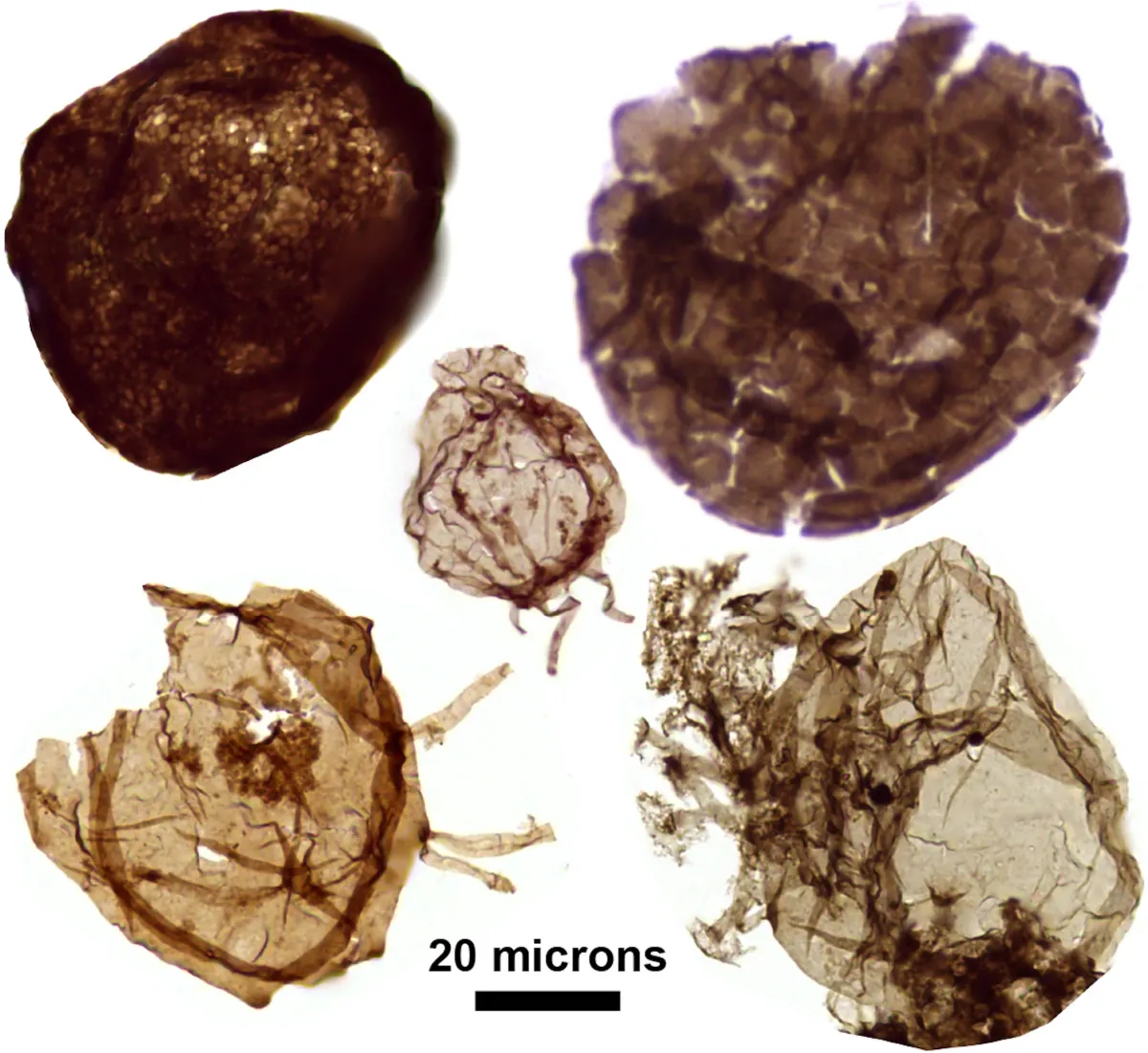
Dozens of rock cores sit in a warehouse in Darwin, Australia. These cores were drilled by mineral exploration companies decades ago. Inside some of these mudstones are microscopic fossils.
These fossils were buried on the seafloor of an ancient inland sea. This sea covered much of northern Australia over 1.5 billion years ago. A new study in Nature shows these fossils are key to understanding the origin of eukaryotes. Eukaryotes are the basis for all complex life on Earth.
The Jump to Complex Life
All life on Earth falls into two main types based on their cells. Prokaryotes, like bacteria, have simple cells and are mostly single-celled. Eukaryotes, which include all animals, plants, algae, and fungi, have much more complex cells. They feature a nucleus and other specialized parts called organelles.
We're a new kind of news feed.
Regular news is designed to drain you. We're a non-profit built to restore you. Every story we publish is scored for impact, progress, and hope.
Start Your News DetoxThe rise of eukaryotes changed the planet. It led to animals and eventually humans. Scientists widely agree that the last common ancestor of all living eukaryotes came from two prokaryotic microbes joining together: an archaeon and a bacterium.
The Oldest Eukaryote Evidence
The earliest evidence of eukaryotic life comes from these single-celled fossils. They show a level of cell complexity not found in prokaryotes but common in eukaryotes. Eukaryote fossils are found worldwide in rocks dating back at least 1.5 billion years. The fossils from Australia's Northern Territory are the oldest known, dating back 1.75 billion years.
However, the ancient world where early eukaryotes evolved is still a mystery. Many basic facts about them are unknown.
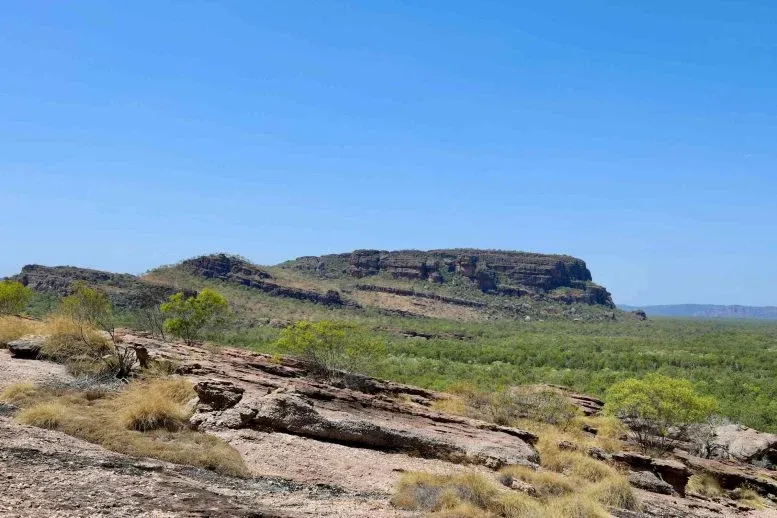
Did Early Eukaryotes Need Oxygen?
Many bacteria can live without oxygen. But almost all eukaryotes today need oxygen to survive. This is because aerobic respiration, which uses oxygen to break down food, provides a lot of energy. Complex life needs this energy.
Recently, the idea that oxygen has always helped all eukaryotes has been questioned. This is because some unusual eukaryotes can live in oxygen-free conditions.
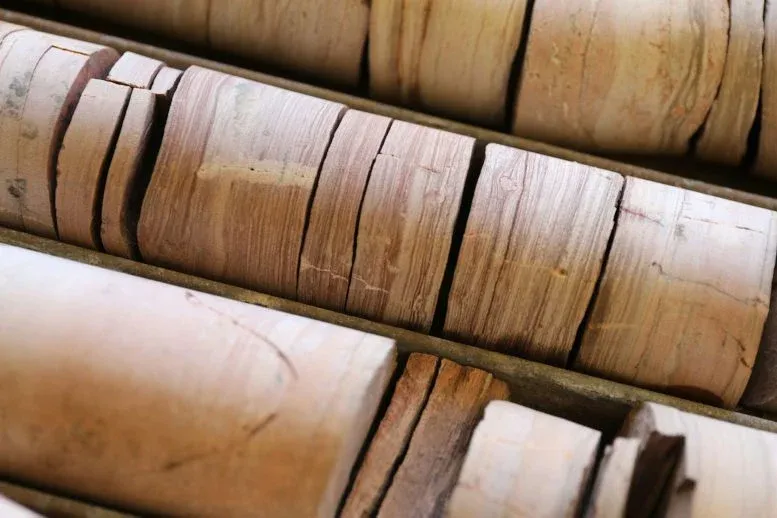
Geological evidence also suggests that oxygen was much scarcer when eukaryotes first evolved. This means oxygen-free marine areas would have been common. These findings have made scientists wonder if eukaryotes have always depended on oxygen.
Genetic studies of living microbes, thought to be close to the first eukaryote ancestors, offer clues. But only fossils can tell us about ancient life forms. And only geology can show us what their world was like.
Studying Ancient Seas
For the new study, researchers crushed and dissolved samples of the mudstone cores. They found over 12,000 fossils by examining the organic material left behind.
They also studied the mudstones to understand the environment when the sediments were laid down. This helped them learn about the habitats of these eukaryotes. By analyzing the mudstones' chemistry, they could tell if oxygen was present in the ancient seawater.
The results show that eukaryote fossils were found in environments from coastal mudflats to the open sea. But they only appeared in samples from oxygenated areas. Samples from oxygen-free environments only contained simple, prokaryotic forms.
Oxygen Drove Early Eukaryote Evolution
This suggests that even the oldest known eukaryotes, living 1.7 to 1.4 billion years ago, needed oxygen. This supports the long-held idea that oxygen was crucial for the evolution of early eukaryotes.
Understanding what drove the major evolutionary leap of early eukaryotes is a big question in life sciences. Ongoing studies of these ancient microfossils will continue to reveal more about our origins.
Deep Dive & References
Early fossil eukaryotes were benthic aerobes - Nature, 2026