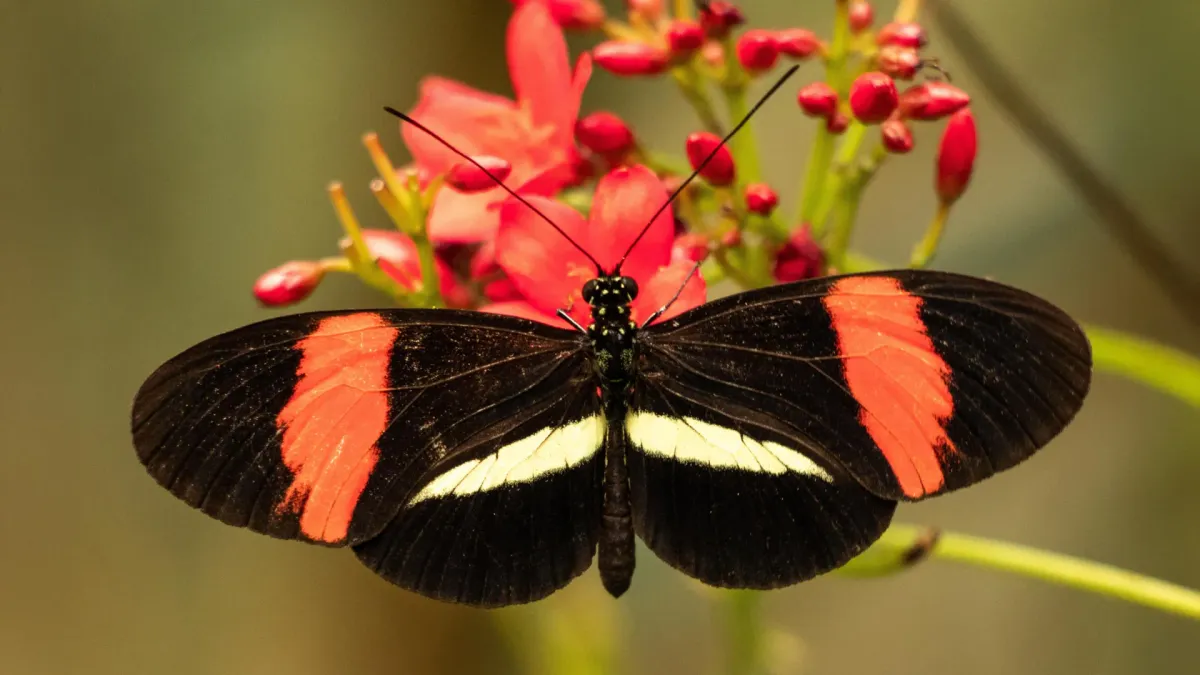
Tropical Heliconius butterflies are basically the Benjamin Buttons of the insect world. While most butterflies flutter through a few fleeting weeks, some Heliconius species are out here living for nearly a year. That's up to 25 times longer than their close relatives. And here's the kicker: they barely show any signs of getting old.
Researchers at the University of Bristol noticed these butterflies aren't just living longer; they're aging slower. We're talking about a creature that could hold the secret to healthy longevity, just casually flitting around the rainforest.
The Butterfly That Defies Time
Imagine a species that, even as it gets older, can still out-grip and out-fly its younger self. That's Heliconius hecale for you. Scientists tested their grip strength (yes, butterfly grip strength is a thing), and older H. hecale were just as spry as the youngsters. Meanwhile, their shorter-lived cousins, like Dryas iulia, were clearly feeling the years.
We're a new kind of news feed.
Regular news is designed to drain you. We're a non-profit built to restore you. Every story we publish is scored for impact, progress, and hope.
Start Your News DetoxOne Heliconius hewitsoni individual even clocked an impressive 348 days. Compare that to Dione juno, which taps out after a mere 14 days. That's not just a difference; that's an existential crisis for the Dione juno.
For a long time, scientists suspected this super-longevity had something to do with their unusual diet. Most butterflies sip nectar, but Heliconius species also feast on pollen. It's like they found the insect equivalent of a superfood smoothie.
But here's where it gets interesting: even when researchers took pollen out of their diet, H. hecale still lived significantly longer than its relatives. So, while pollen definitely helps, it's not the whole story. These butterflies have some serious evolutionary advantages baked into their DNA.
Jessica Foley, the lead author of the study, points out the wild diversity in insect lifespans. Mayflies live for days, while some ants and termites go for decades. That's a 5,000-fold difference. Humans, by comparison, only have a 100-fold difference between the shortest and longest-lived among us. Which, if you think about it, is both impressive and slightly terrifying.
What makes Heliconius so special is that they've evolved these extended, slower-aging lives relatively recently, separating from their short-lived relatives not that long ago. This gives scientists a pristine, natural laboratory to figure out how they did it. By comparing the long-livers to the short-livers, researchers hope to unlock the genetic and environmental tweaks that lead to a longer, healthier existence. Maybe one day, we'll all be taking a page from a tropical butterfly.