Researchers have found a gene that helps animals grow and reproduce faster when they are young. However, this gene also makes them age quicker and increases their risk of cancer later in life.
This discovery offers strong proof for a long-held idea in evolution. This idea, called antagonistic pleiotropy, suggests that genes helpful in youth can become harmful in old age. The study was led by Dr. Eitan Moses, Dr. Marva Bergman, and Prof. Itamar Harel from Hebrew University. They worked with Prof. Nabieh Ayoub (Technion) and Prof. Alexei A. Maklakov (University of East Anglia).
For many years, scientists have tried to find the genes responsible for these trade-offs in animals with backbones. The team studied the vgll3 gene in the African turquoise killifish. This fish is often used to study aging because it has a naturally short lifespan. Earlier research linked vgll3 to when puberty starts, but its full role in lifespan and disease risk was not clear.
We're a new kind of news feed.
Regular news is designed to drain you. We're a non-profit built to restore you. Every story we publish is scored for impact, progress, and hope.
Start Your News Detoxvgll3 Drives Faster Growth and Earlier Reproduction
The researchers used CRISPR gene-editing to change vgll3. They saw big changes in the fish. Fish with the altered gene grew faster and became sexually mature sooner. These traits could help them have more offspring in the wild.
But these benefits came with a cost. The same fish lived shorter lives. They also developed more age-related tumors, including cancers similar to melanoma.
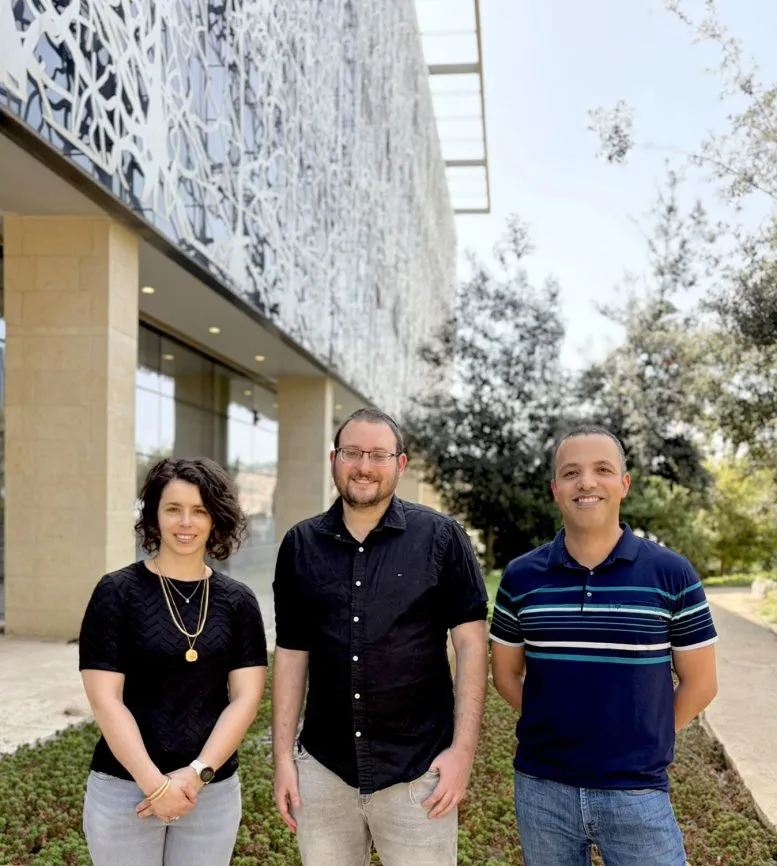
Dr. Harel explained that they "caught evolution in the act of making a trade-off." He noted that nature prioritizes continuing the species, not individual longevity. He added, "We are built to sprint, not to marathon."
How Growth Mechanisms Increase Cancer Risk
More experiments showed that vgll3 affects several key biological processes. These include cell division, stem cell activity, and DNA repair. Higher cellular activity might explain why the fish grew quickly when young. It also explains why they accumulated damage that led to disease later.
The team also created a new killifish model that lacks an immune system. This allows researchers to transplant and study tumor cells in this species for the first time.

Dr. Harel found it "fascinating—and slightly terrifying" that the cancer in these fish was not random. He said it was a "direct shadow of their youthful vitality." The same system that builds a young body can also create a tumor in an older one. He believes understanding this mechanism could help separate healthy growth from aging diseases.
Human Aging and Cancer Research Implications
The vgll3 gene is also found in humans. This means the findings could help scientists understand human development, aging, and age-related diseases better. Previous studies linked the gene to puberty and hormone levels, but its direct biological role was not clear until now.
This discovery could help in preventing cancer and extending healthy lifespans. The researchers plan to find out if the gene's early-life benefits can be separated from its harmful effects later in life.
Deep Dive & References
An antagonistically pleiotropic gene regulates vertebrate growth, maturity, and lifespan - Nature Communications, 2026