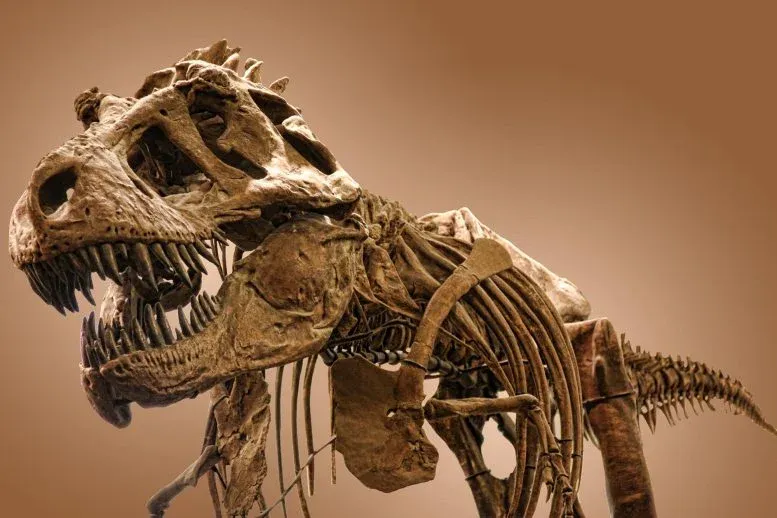
Deep grooves and punctures on dinosaur bones found in Wyoming might be from a powerful predator. However, damage to fossils can be tricky. Things like disease, erosion, insects, or just being exposed after death can leave marks that look like tooth bites.
To figure out what caused these specific marks, scientists looked closely at their shape, depth, direction, and how far apart they were. Several marks matched what a Tyrannosaurus rex bite would look like. This suggests the giant predator might have fed on these animals either just before or soon after they died.
How to Spot a Real Bite Mark
In a study published in PLOS One, Bethania C. T. Siviero and her team at Loma Linda University studied punctures, holes, grooves, and other features on the bones. They also used past research to create a guide. This guide helps tell the difference between real tooth marks and other misleading damage.
We're a new kind of news feed.
Regular news is designed to drain you. We're a non-profit built to restore you. Every story we publish is scored for impact, progress, and hope.
Start Your News DetoxReal bite marks are rare but important clues about how prehistoric animals behaved. They can show what ancient predators ate, if they hunted or scavenged, and how carcasses were consumed in ecosystems that disappeared millions of years ago.
The researchers looked at over 3,000 Late Cretaceous bones. These bones were collected in northeastern Wyoming and are about 72 to 66 million years old. Most of them belonged to Edmontosaurus annectens, a large plant-eating dinosaur with a duck-like bill.
Only twelve bones had possible tooth marks. Four of these showed distinct patterns that matched the expected bite of a T. rex. Other marks might have come from other carnivores living at the time, like different dinosaur species or crocodiles.
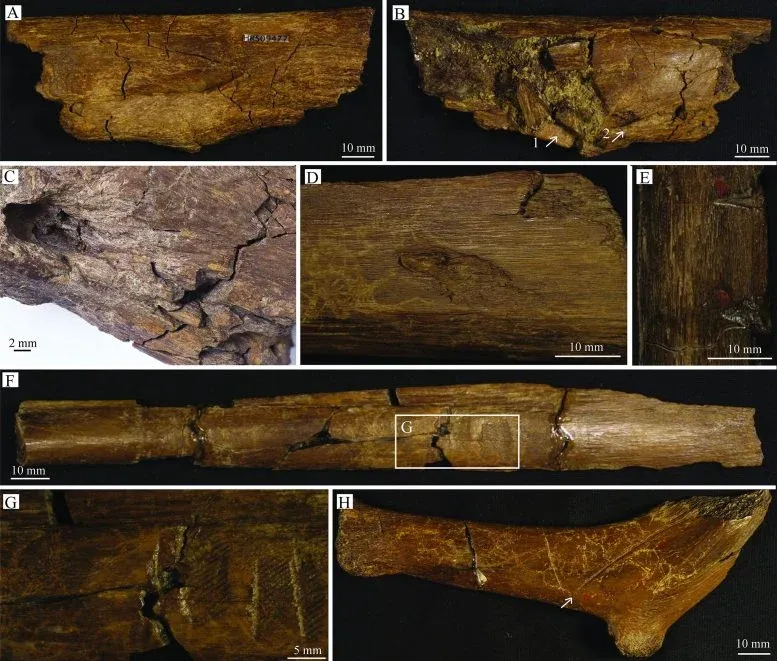
Most of the marked bones did not show any healing around the damaged areas. This suggests the bites happened around the time the animals died or afterward. These findings, along with earlier evidence from the site, suggest that some animals might have been hunted. Their exposed bodies were also scavenged before they were buried and turned into fossils.
Why Identifying Marks Matters
Suspected tooth marks often look like punctures or grooves. However, similar features can come from joint disease, erosion, or other changes that happen after an animal dies. To get reliable evidence of prehistoric behavior, it's crucial to know if a mark was truly made by teeth. This study helps by setting clear rules for checking these features, making it a stronger tool for understanding ancient ecosystems.
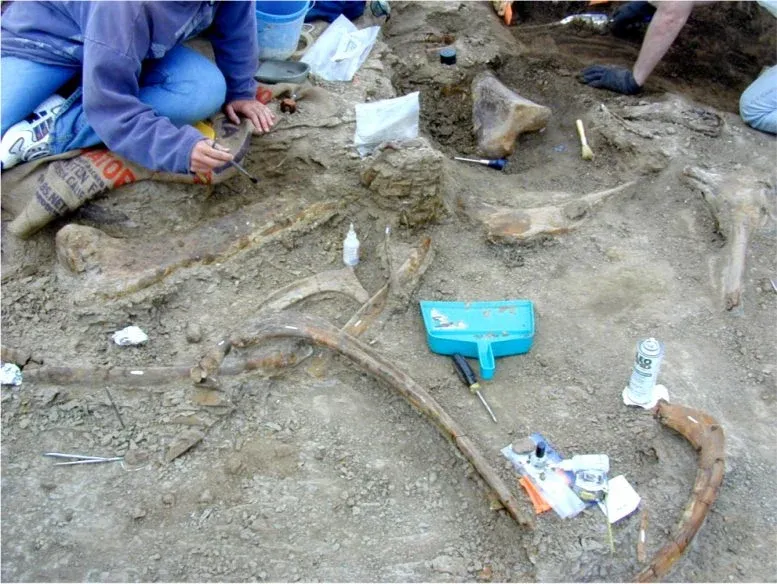
The authors explained that correctly identifying bone depressions and holes is important because not all of them are tooth marks. Some are caused by diseases, while others happen after death from things like insect activity or bone exposure. Telling these different types of bone changes apart is key. They can give valuable information about an animal's health before it died and what happened to its remains afterward.
Studying tooth marks on fossil bones helps us learn about animal behavior and how different species interacted.
Deep Dive & References
Identification of tooth traces from a Cretaceous (Maastrichtian) Edmontosaurus annectens bonebed in the Lance Formation, Wyoming, U.S.A. - PLOS ONE, 2026