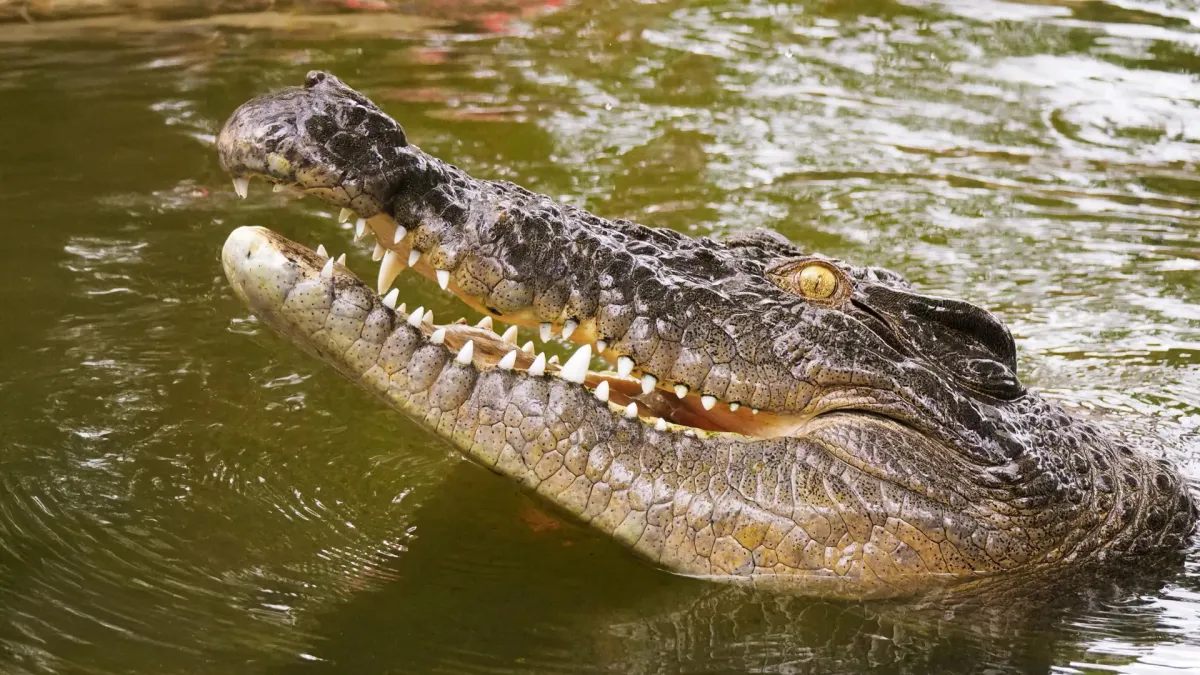
For over two centuries, the Seychelles held a secret: stories of massive crocodiles that just… vanished. Explorers swore they were there, lurking in the shadows. Then, settlers arrived in 1770, and by 1820, poof. Gone. Like a bad Tinder date, but with more scales and significantly more teeth.
Now, thanks to some serious genetic detective work, scientists have finally unmasked these elusive reptiles. Turns out, the Seychelles crocs weren't some unique, mythical beast. They were just really, really well-traveled saltwater crocodiles (Crocodylus porosus). Which, if you think about it, makes them the ultimate ocean-going adventurers, having established the westernmost known outpost for their entire species.
The Ultimate Ocean Drifters
Researchers from Germany and the Seychelles dove into the DNA archives, comparing modern crocodile genes with samples from those long-lost museum specimens. The genetic blueprint confirmed what some had only guessed from looking at old pictures: these island crocodiles were practically identical to their cousins living thousands of miles away.
We're a new kind of news feed.
Regular news is designed to drain you. We're a non-profit built to restore you. Every story we publish is scored for impact, progress, and hope.
Start Your News DetoxSo, how did they get there? Picture this: a prehistoric Spring Break. Saltwater crocodiles are basically living submarines. They've got special glands that filter out extra salt, letting them cruise the open ocean for ages. Scientists believe the first Seychelles settlers were likely hitchhikers, drifting at least 3,000 kilometers across the Indian Ocean on currents, probably over several generations, until they landed on those remote islands and decided to call it home.
Frank Glaw, a reptile expert and the study's senior author, put it simply: these were some serious aquatic road trippers. And they weren't alone. Today, saltwater crocodiles are still one of the most widespread reptiles on Earth, with a range that once stretched an incredible 12,000 kilometers from Vanuatu to the Seychelles. They're basically the original frequent flyers, just without the tiny bags of peanuts. It's a testament to their incredible mobility — and a stark reminder of what happens when a new population meets human settlement.