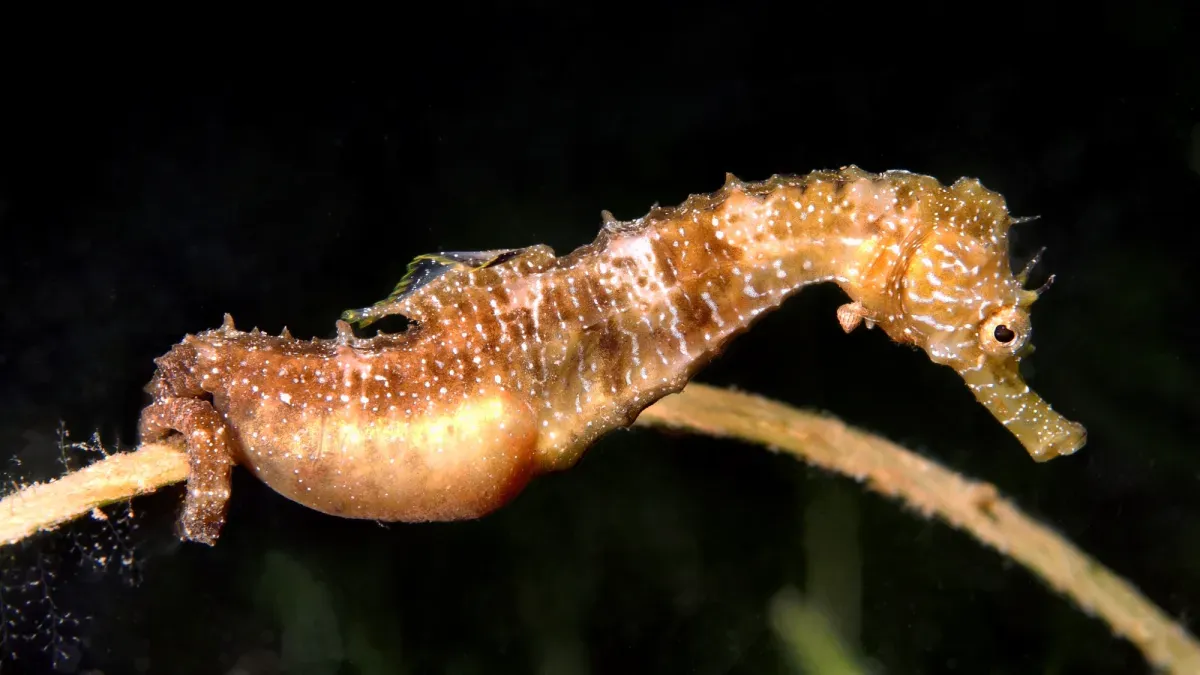
You think your dad had it rough? Try being a male seahorse. Students exploring the vibrant seagrass beds of Nest Key in the Florida Keys recently got a front-row seat to one of nature's more… unique parental experiences: a male seahorse giving birth. Because apparently, that's where we are now. Dads are literally popping out babies.
The students, part of a MarineLab expedition, were just doing their usual thing — investigating their catch from a seine net — when they spotted two tiny seahorses. Then, things got interesting. One of the seahorses, clearly a dad-to-be, had a clutch of eggs visible on its tail. And right there, in the net, it began to give birth.
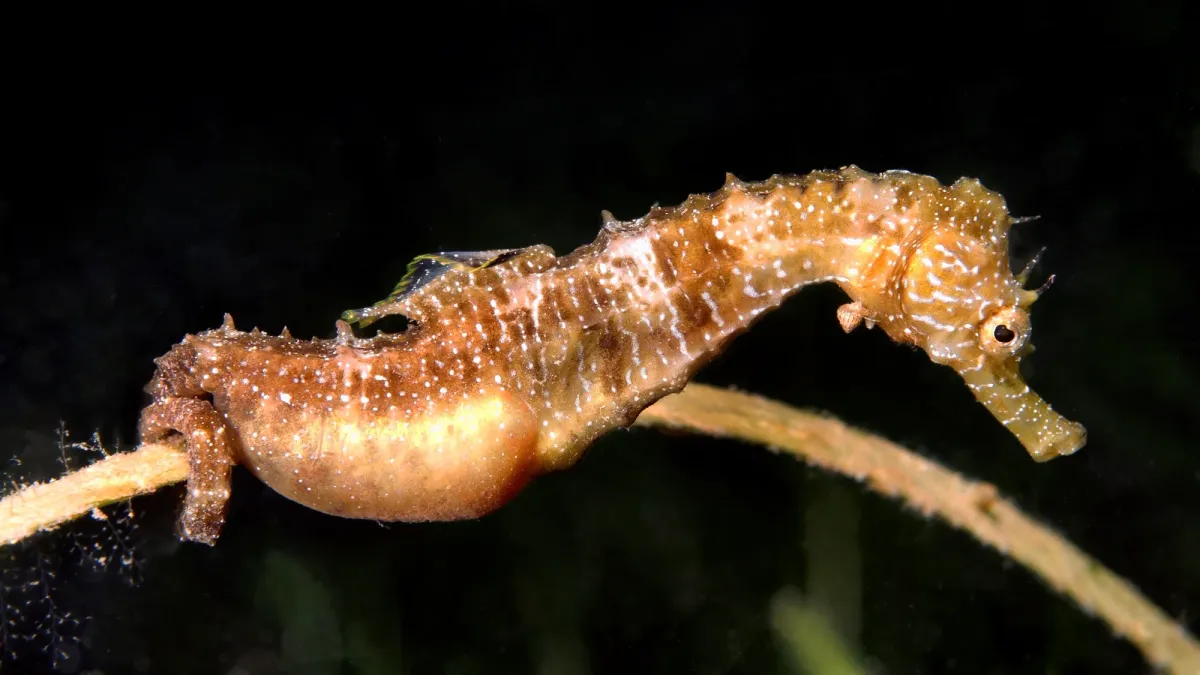
Kristen Prado from MarineLab noted that while seahorses are residents of Florida Bay's seagrass habitats, seeing one on every trip isn't a given. Witnessing a live birth, however, is the kind of rare, slightly surreal moment that makes everyone — students and instructors alike — quietly gasp. It's like finding a unicorn that also happens to be a single dad.
We're a new kind of news feed.
Regular news is designed to drain you. We're a non-profit built to restore you. Every story we publish is scored for impact, progress, and hope.
Start Your News DetoxThe Ultimate Brood Pouch
Seahorses are tiny predators, often camouflaged among the swaying brown blades of seagrass, holding on with their prehensile tails. They're also vital connectors in the food web, munching on small crustaceans and then becoming snacks for larger marine life. It's a circle of life, with a twist.
The twist? After a courtship dance, the female uses an organ called an ovipositor to deposit her eggs directly into a special brood pouch on the male's tail. He then fertilizes them internally. The male carries these eggs for anywhere from 10 days to six weeks, depending on the species. When the baby seahorses, called "fry," are ready, the dad's body convulses to push them out. Immediately after, these miniature seahorses are completely on their own. No diapers, no college fund, just instant independence. Which, if you think about it, is both impressive and slightly terrifying.

After this impromptu nature documentary, the students carefully returned the seahorses and their net-mates to the sea. Prado emphasized that these hands-on experiences are the core of MarineLab's mission, showing students that healthy seagrass habitats are bustling with life. Even a routine field trip can offer a connection to the natural world that you'll definitely want to tell someone about. Especially the part where the dad gave birth.