Imagine a shared apartment with three roommates: one's a picky gourmet, another's a health-conscious omnivore, and the third just eats whatever's in the fridge (including your leftovers). Now imagine those roommates are apex predators in the Himalayas, and they've figured out how to coexist without tearing each other apart.
That's the wild reality unfolding in Nepal's remote Lapchi Valley, where snow leopards, common leopards, and Himalayan wolves are all living their best, deadly lives. For years, scientists wondered how these formidable felines and canines avoided constant, bloody turf wars. The answer, it turns out, isn't about hunting schedules or secret hideouts. It's much simpler: they just don't like the same food.

The Ultimate Dinner Party
Researchers spent over six years playing detective in the Gaurishankar Conservation Area, setting up 26 camera traps and, perhaps less glamorously, analyzing DNA from animal droppings. Because apparently, that's where the best stories are. What they found was a surprisingly civilized dining arrangement.
We're a new kind of news feed.
Regular news is designed to drain you. We're a non-profit built to restore you. Every story we publish is scored for impact, progress, and hope.
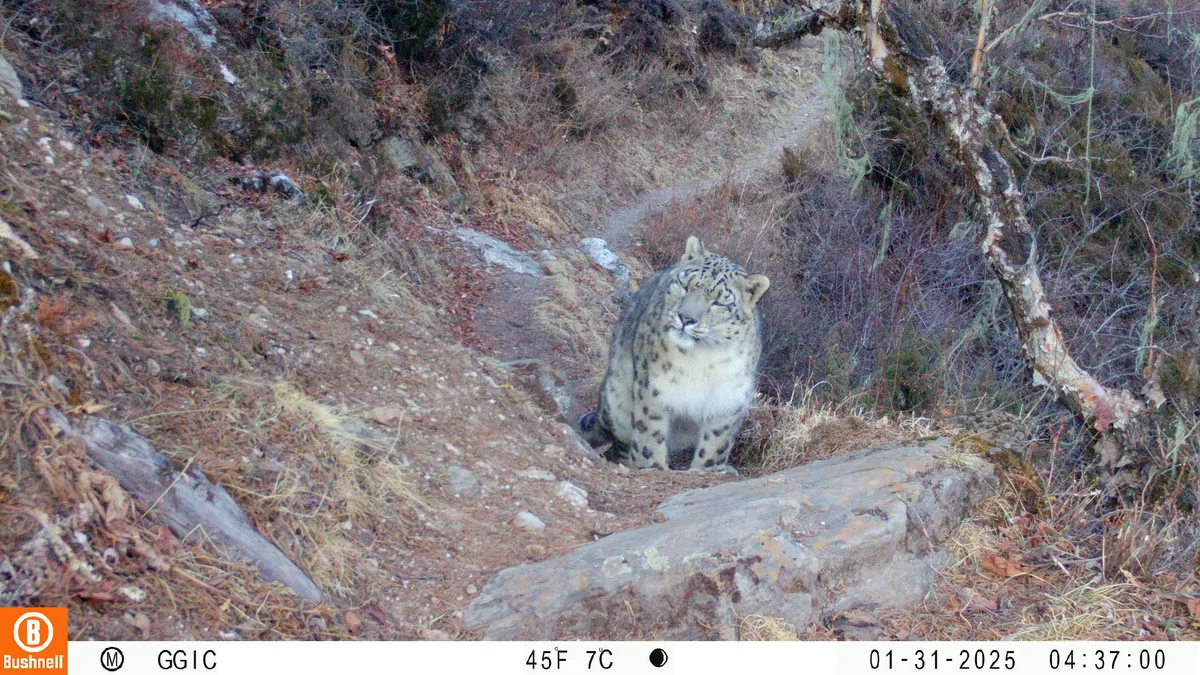
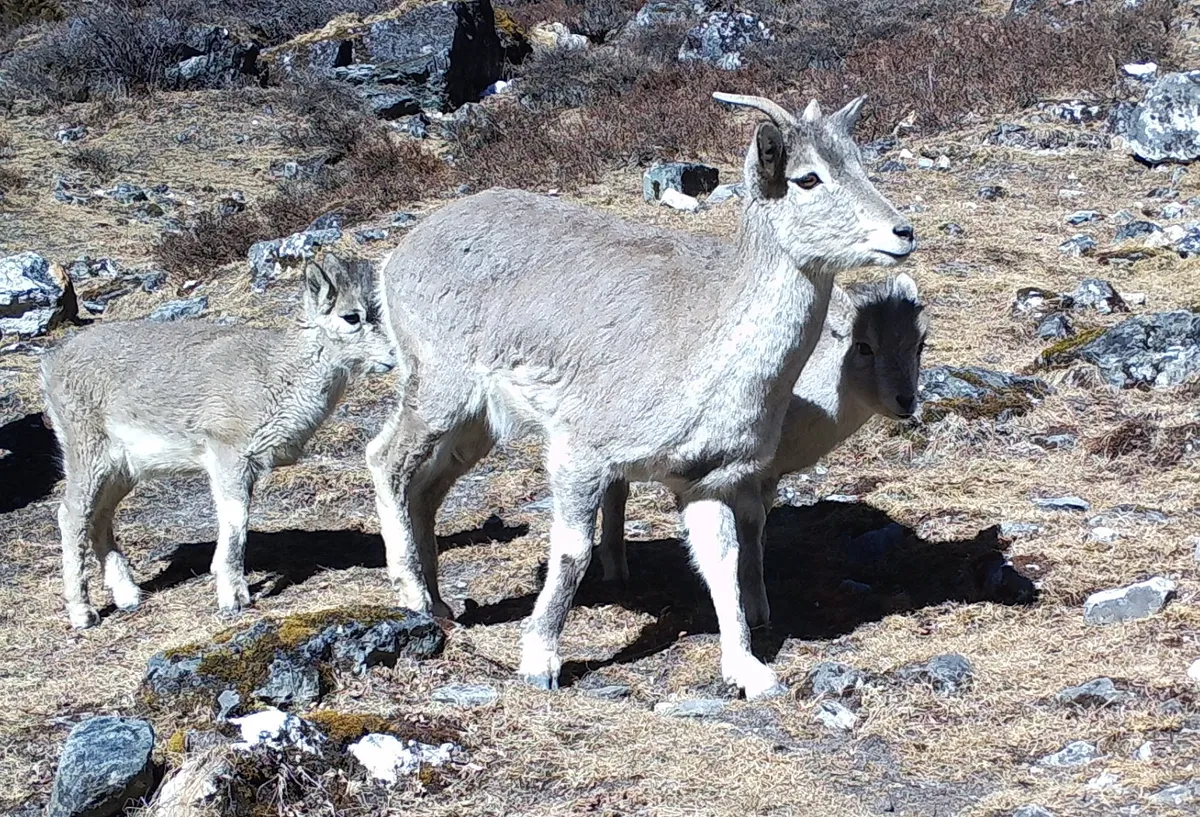
Start Your News DetoxSnow leopards, the valley's resident food snobs, stick almost exclusively to wild prey. Think blue sheep (nearly half their diet, because who doesn't love blue sheep?), musk deer, and Himalayan tahr. They're basically the keto dieters of the animal kingdom.
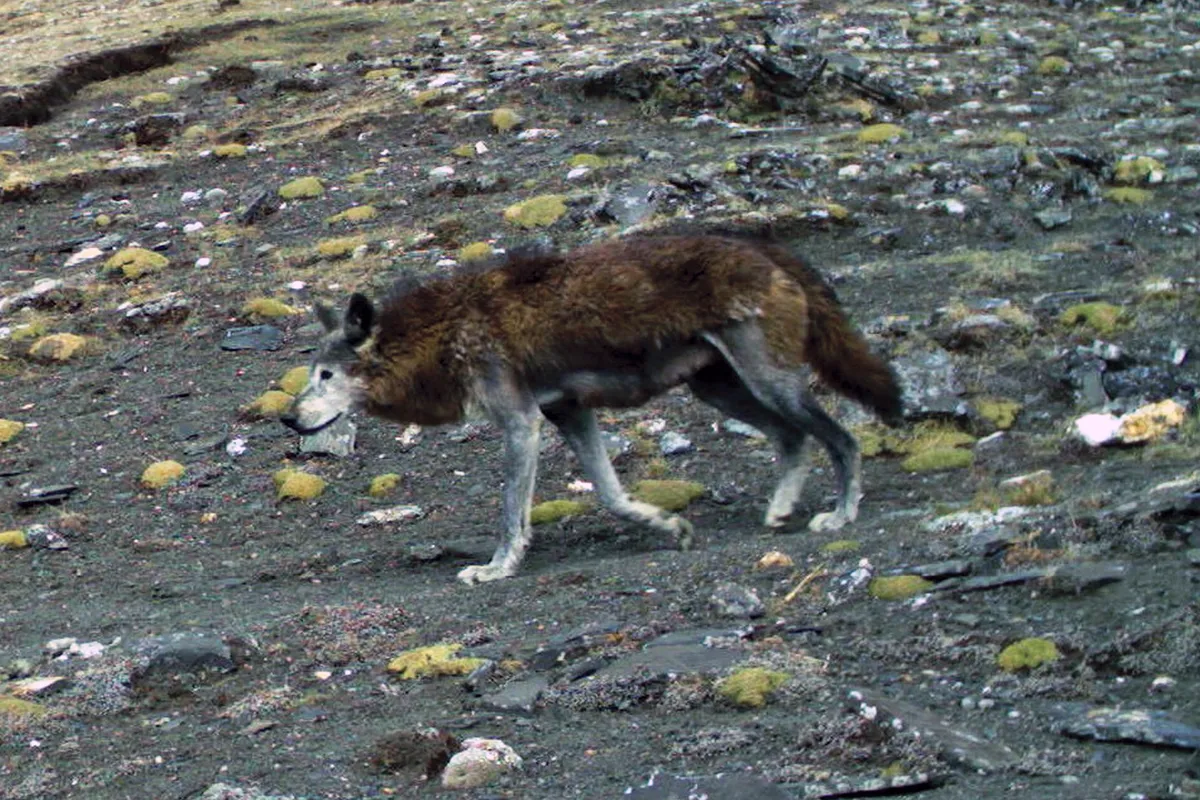
Himalayan wolves are more flexible. They'll munch on wild fare like blue sheep and musk deer, but they're not above a quick snack of domestic livestock — goats, horses, even yaks. The ultimate flexitarian, if you will.
Common leopards, on the other hand, are the opportunists. They hang closer to human settlements, making a living off livestock and, wait for it, dogs. Because when you're a leopard, apparently Fido is fair game. They'll also dabble in barking deer and goral.
Interestingly, snow leopards and wolves overlap on about 75% of their prey, which is a lot more than either shares with the common leopard. But the snow leopard still maintains the most exclusive palate. Which, if you think about it, is both impressive and slightly terrifying for the blue sheep population.
So, next time you're squabbling over who gets the last slice of pizza, just remember the Himalayan predators. They figured out dietary harmony. Perhaps we could learn a thing or two.