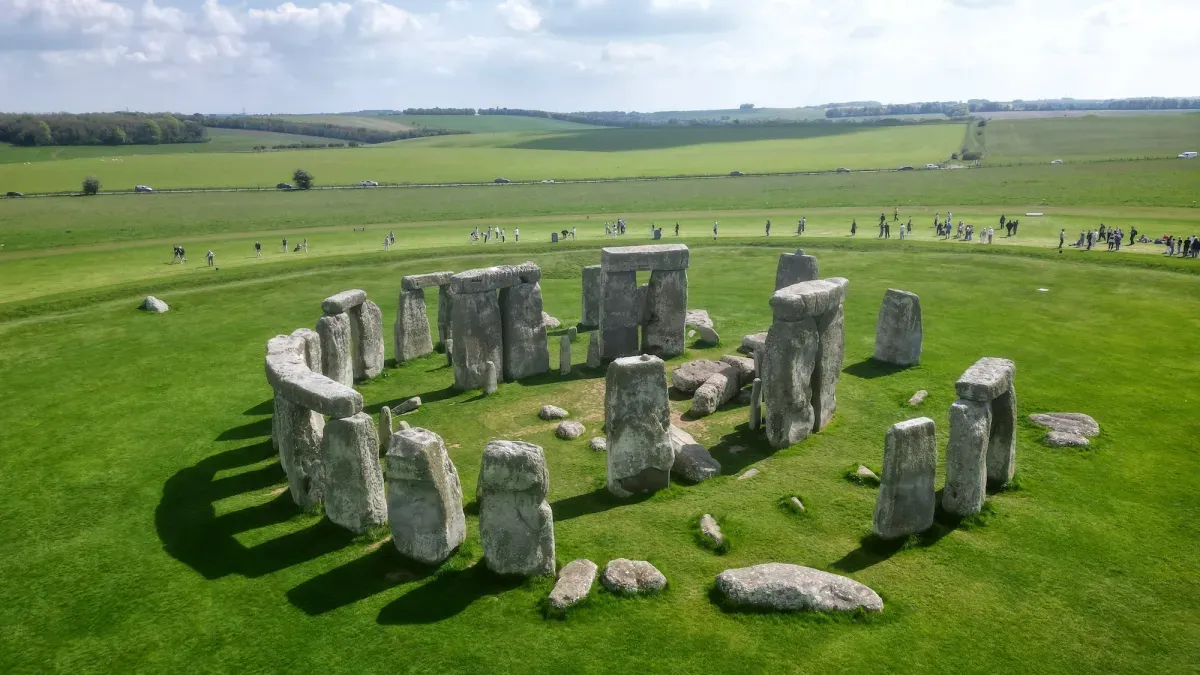
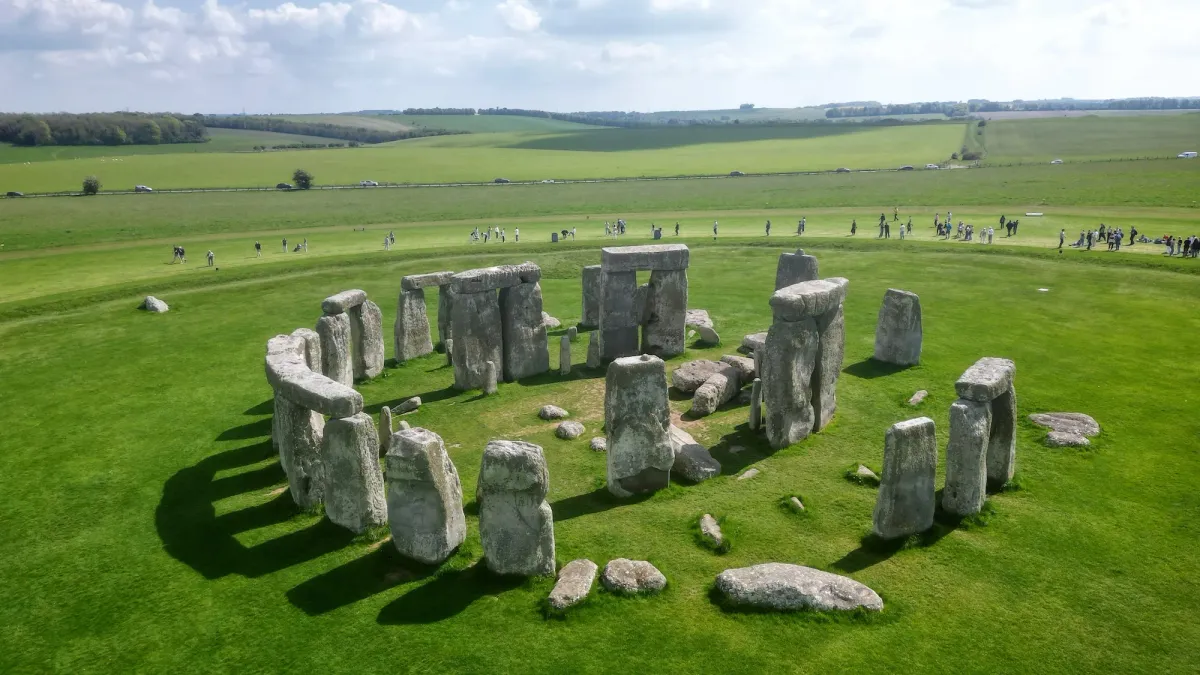
For thousands of years, Stonehenge has been the ultimate mic drop in ancient engineering. How did Neolithic builders, some 5,000 years ago, manage to haul colossal stones across vast distances and then stand them up in such an impossibly precise circle? Most of the giant sarsens came from a mere 15 miles away. The bluestones? Those were a bit more of a hike, all the way from Wales.
But the real head-scratcher has always been the Altar Stone. This six-ton behemoth of sandstone was thought to have originated in Scotland, a casual 400 miles from Salisbury Plain. The prevailing theory for years was that melting Ice Age glaciers did most of the heavy lifting, nudging the stone closer to its final resting place around 2500 BCE. Because, let's be honest, who wouldn't want to believe a giant ice sheet saved our ancestors a road trip?
No, Really. Humans Moved It.
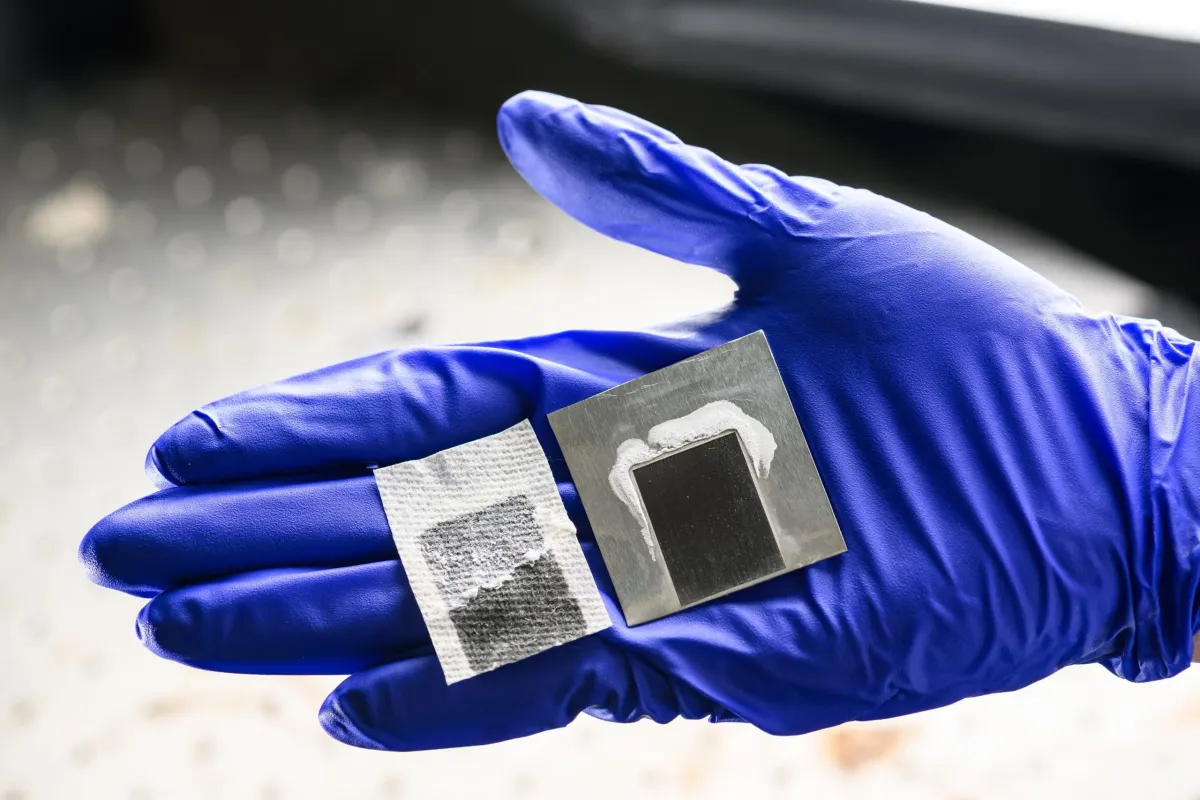
Well, in 2024, a team from Curtin University, fresh off some rather clever chemical analysis, decided to put that glacier theory to the test. And, much to the chagrin of anyone who enjoys a good geological shortcut, their new findings — based on ice-sheet modeling and mineral dating — are pretty conclusive: humans, not just ice, played a significant role.
We're a new kind of news feed.
Regular news is designed to drain you. We're a non-profit built to restore you. Every story we publish is scored for impact, progress, and hope.
Start Your News DetoxAnthony Clarke, a geochemist and co-author of the study, put it rather plainly: this wasn't some happy accident of nature. This was a planned human effort. While glaciers did carry plenty of rocks south, the models showed no glacial paths connecting the Altar Stone's Scottish source to Stonehenge. Which means, if you're keeping score, someone had to move it.
Imagine the project management meeting for that one. "Okay, team, we need to move this six-ton rock. Over hundreds of miles. Without wheels. Or even a decent cup of coffee." Clarke notes it would have required "planning, coordination, and great determination." The exact methods are still a bit fuzzy, but the current thinking is a multi-stage journey, likely involving both land and river routes. So, while the glaciers might have dropped off some of the smaller pebbles, the Altar Stone was definitely a human-powered delivery. And suddenly, those ancient builders seem even more impressive. And possibly very, very tired.