For centuries, the story of the queen bee was simple: eat royal jelly, become royalty. End of story. Turns out, much like human monarchies, it's a little more complicated than just a special diet.
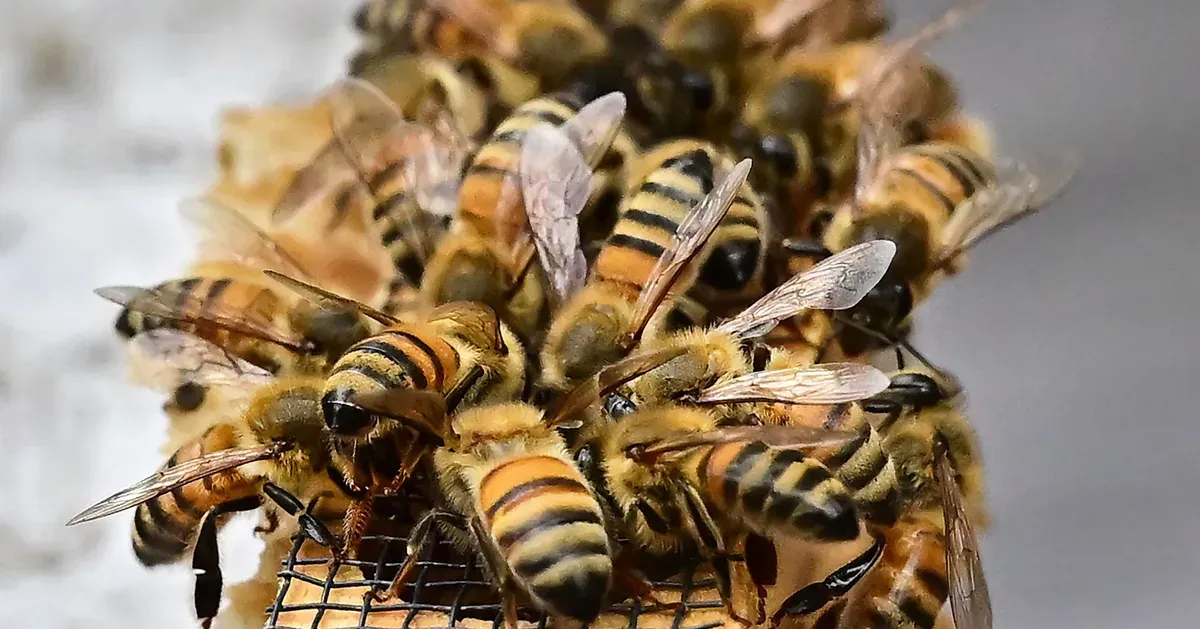
New research has uncovered a hidden layer of hive society: a specialized crew of worker bees whose sole purpose is to build the queen's waxy, peanut-shaped abode. And they do it with a surprising amount of flair.
Apparently, these younger, genetically predisposed builders don't just stack wax. They generate heat — essentially giving the queen's future nursery a fever. This cozy, controlled warmth helps melt and mix special chemicals into the wax, making it softer and giving it a higher melting point than the run-of-the-mill worker bee wax. Because, of course, the queen needs bespoke housing.
We're a new kind of news feed.
Regular news is designed to drain you. We're a non-profit built to restore you. Every story we publish is scored for impact, progress, and hope.
Start Your News DetoxThe Royal Nursery's Secret Sauce
Julia Bowsher, a bee researcher not involved in the study, noted the surprise: "No one had thought there might be specialized workers for building queen cells." Which, if you think about it, is both impressive and slightly terrifying. Imagine having a dedicated team just for your baby's crib. That's queen bee energy.
The real kicker? Scientists raised baby queens in different wax cups. All were fed the classic royal jelly. But the ones in worker wax came out smaller and had a tougher time surviving. Meaning, even with the best diet, the environment of their nursery was critical.
Kai Wang, a co-author, put it plainly: "For centuries, people thought diet was the only rule for making a queen bee." This study flips that script, proving that location, location, location also matters for the hive's supreme leader.
It’s a rare peek into the meticulous inner workings of a honeybee hive, reminding us that even the most well-understood natural processes often have a few more layers. And considering honeybees are responsible for pollinating our blueberries, squash, watermelon, and almonds, understanding every detail of their royal lineage is pretty important. Now, if only we knew what those specific chemicals in the wax actually do to the queen's growth. The plot, much like the wax, thickens.