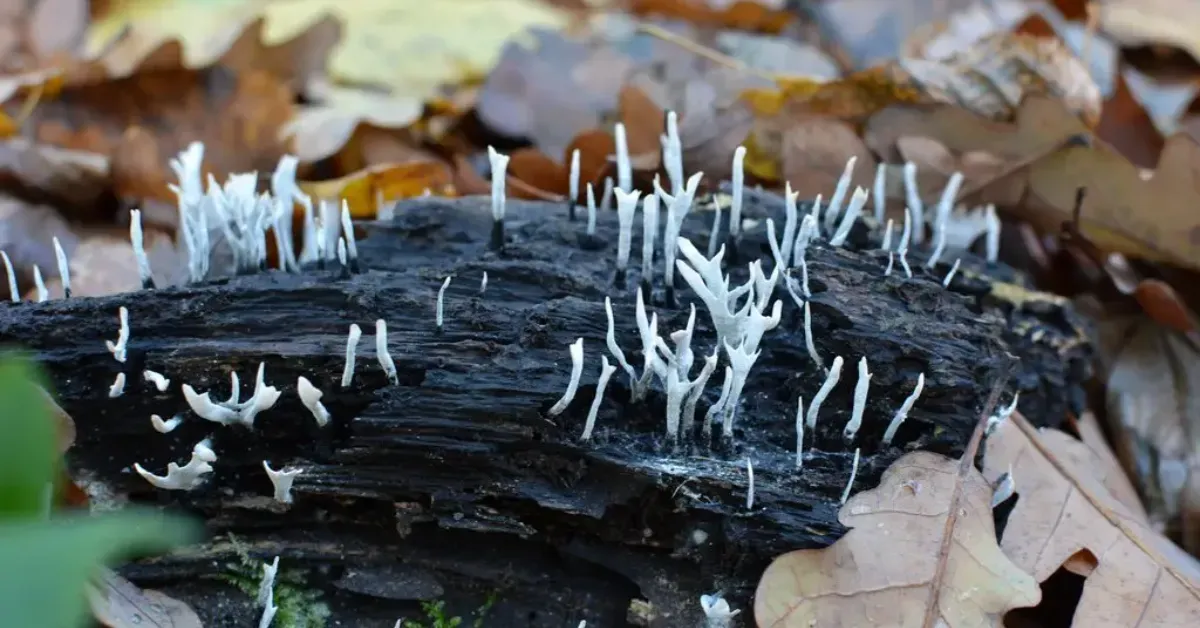
What if the next medical breakthrough isn't cooked up in a gleaming lab, but is quietly growing on a rock face, deep inside a pitch-black cave in India? According to a recent study, that's precisely where we should be looking.
Scientists are turning their attention to the microbial oddballs that thrive in India's vast, largely unexplored cave systems. We're talking about fungi that eat rocks, laugh in the face of total darkness, and generally exist where pretty much nothing else can. And these tenacious little survivors might just hold the keys to new antibiotics, pollution cleanup, and even future space missions. Because apparently, that's where we are now.
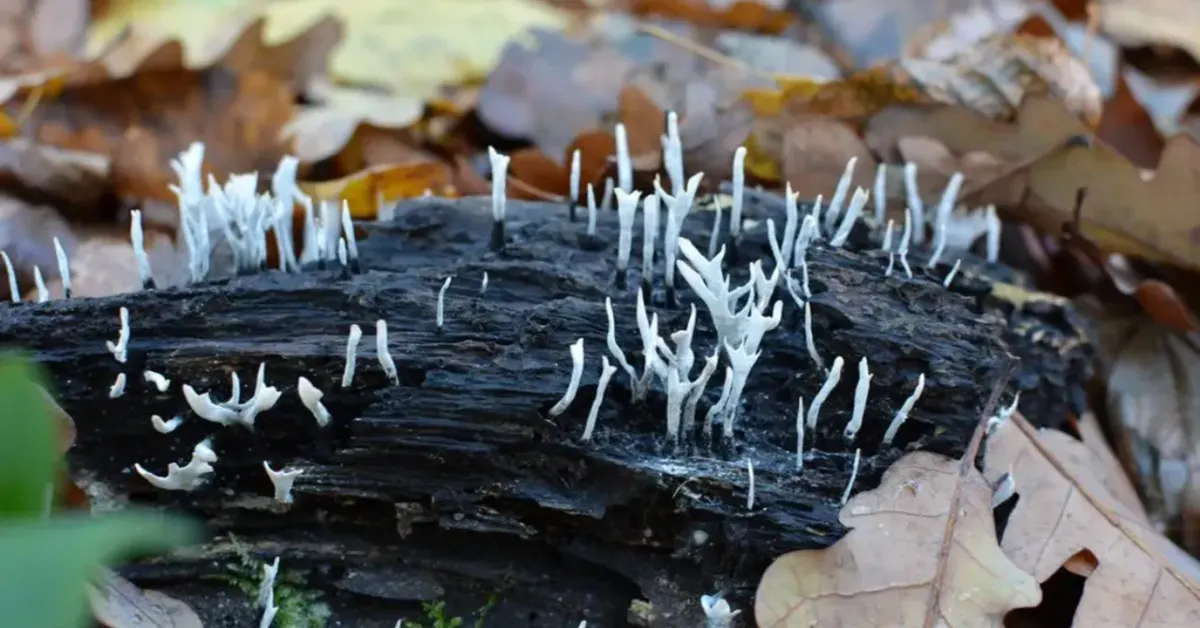
The Ultimate Survivalists
This rather mind-bending idea stems from a review published in the Geomicrobiology Journal. The study honed in on the diverse fungi found lurking in India's more than 1,500 known cave systems. And here's the kicker: most of their microscopic inhabitants remain a complete mystery.
We're a new kind of news feed.
Regular news is designed to drain you. We're a non-profit built to restore you. Every story we publish is scored for impact, progress, and hope.
Start Your News DetoxDr. Sujata Dabolkar, an Assistant Professor in Goa, penned the review, titled, rather delightfully, "Geomycology of Indian Caves: Diversity, Ecology and Biotechnological Potential." (Say that five times fast.)
Caves are, to put it mildly, not exactly prime real estate. Little to no sunlight, scarce nutrients, steady temps, and humidity that clings to everything. Yet, life persists. Fungi, in particular, are the ultimate adaptors. They're basically the cockroaches of the microbial world, but, you know, potentially helpful.
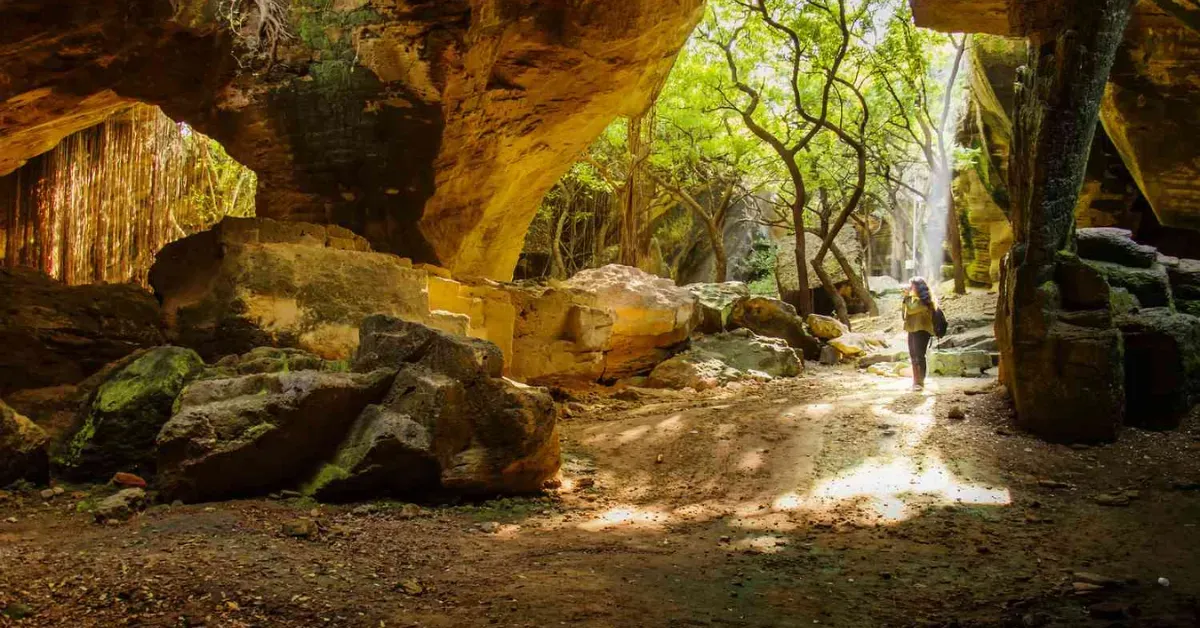
Researchers have already identified hardy types like Aspergillus, Penicillium, and Fusarium in these underground hideouts. These fungi aren't just chilling; they're actively interacting with their environment, munching on minerals, recycling nutrients, and even helping to form new rock deposits. They're not just living in the caves; they're actively shaping them. Which, if you think about it, is both impressive and slightly terrifying.
From the ancient limestone labyrinths of Meghalaya to the volcanic tunnels of the Deccan region, each of India's 1,500+ cave sites is its own unique, tiny ecosystem. But only a fraction has been properly studied for its fungal residents. This scientific blind spot is exactly what excites researchers. Organisms that manage to survive with next to no food or sunlight tend to develop some truly unique tricks. And those tricks? They could be goldmines for new medicines, industrial innovations, and environmental solutions.
From Antibiotics to Astrobiology
The medical implications alone are enough to make you raise an eyebrow. Doctors worldwide are in a desperate fight against antibiotic-resistant bacteria, making common infections increasingly difficult to treat. The fungi in India's caves, having spent millennia in isolated, harsh conditions, have developed some seriously potent chemical defenses against other microbes.
Scientists believe these compounds could inspire the next generation of antibiotics and other much-needed drugs. Plus, these cave fungi produce enzymes that can function under extreme conditions, making them incredibly valuable for biotech research. Imagine an enzyme that works just as well in boiling acid as it does in freezing temperatures. Now imagine what we could do with that.
But wait, there's more. The possibilities might even extend beyond our planet. Some cave fungi are masters of long-term survival with minimal sustenance and can handle high radiation levels and other cosmic stresses. Sound familiar? These are precisely the kinds of conditions found on Mars or the icy moons of Jupiter and Saturn, like Europa.
Astrobiologists, the folks who search for life beyond Earth, are keenly interested in these qualities. So, the next time you're picturing a space mission, don't just think of rockets and robots. Think of the humble, rock-eating fungi from an Indian cave, quietly doing its part to make it all possible. The answers to some of humanity's biggest questions might just be hiding in the dark, damp corners of our own planet.