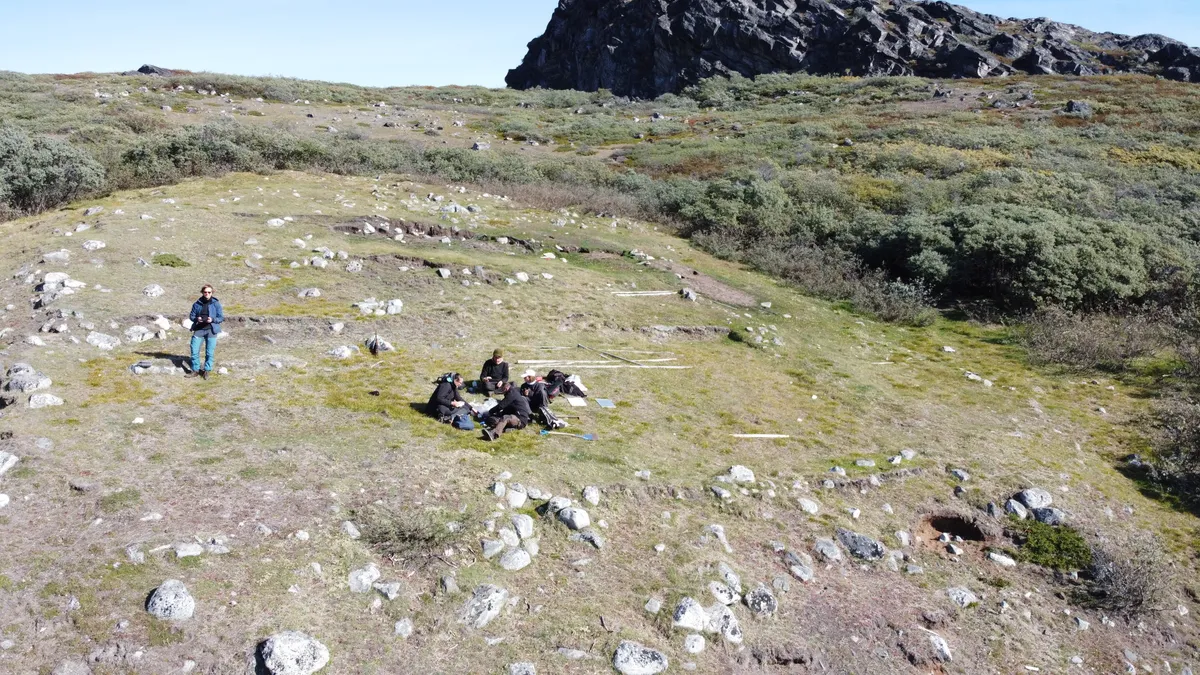
In 1991, hikers in the Ötztal Alps stumbled upon a body peeking out of a glacier. Police, naturally, assumed a recent mishap. That is, until a mountaineer pointed out the rather ancient-looking axe. Suddenly, it wasn't a modern tragedy, but a 5,300-year-old cold case.
Enter Ötzi the Iceman. We now know he was probably murdered by an arrowhead to the shoulder. He was a man of his time: a hunter of game, adorned with tattoos, and sporting lungs damaged by fire exposure. He lived to a ripe old 46, for the era. The glacier did an impressive, if morbid, job of naturally mummifying him, preserving organs and soft tissue so well that modern police were initially fooled.
Today, Ötzi resides in a special cold cell at a museum, where he’s regularly spritzed with sterile water to maintain his... moistness.
We're a new kind of news feed.
Regular news is designed to drain you. We're a non-profit built to restore you. Every story we publish is scored for impact, progress, and hope.
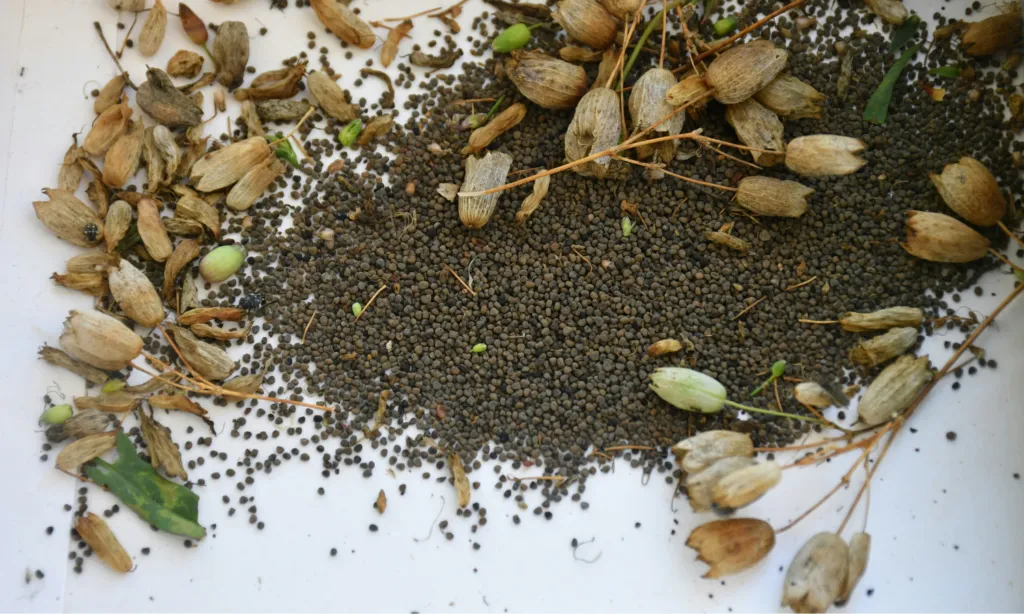
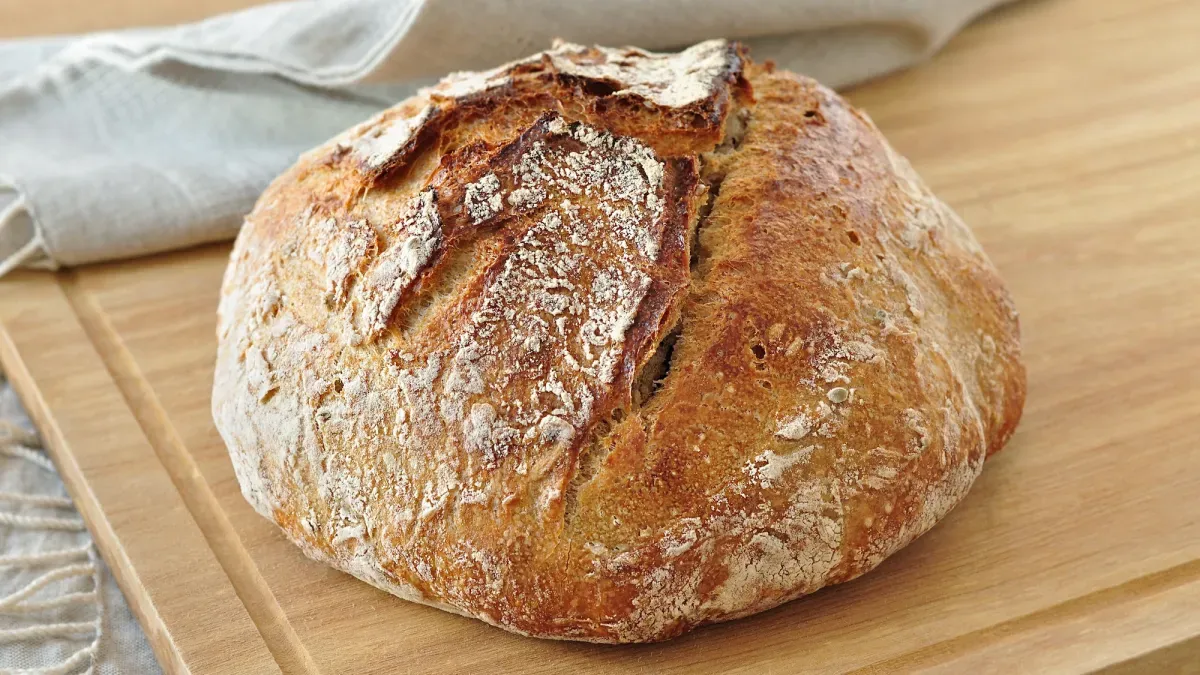
Start Your News DetoxNow, for the really wild bit: scientists recently discovered yeast species living in Ötzi. They figure this yeast moved in after he died but before he got his museum residency. Researchers, being researchers, decided to study his microbiome. And one researcher, being a particularly adventurous researcher, decided to use this mummy yeast to make sourdough bread. After a few tries, the ancient yeast delivered. Turns out, 5,300-year-old microorganisms make for a pretty good rise.
The Wood Wide Web: How Fungi Teach Mutual Aid
If you're looking for lessons in collaboration, forget your corporate team-building exercises and look underground. Mycelium – those delicate, thread-like fungal networks – connect entire forests in what scientists have dubbed the "wood wide web." It’s nature’s ultimate example of mutual aid.

Trees use these networks to share vital resources: carbon, nitrogen, and water. Stronger trees, feeling generous, will send sugars to struggling saplings stuck in the shade. Older, wiser trees prioritize their own kin and neighbors in need. And in a final, poignant act of generosity, dying trees will even funnel their remaining resources into the network.
It’s not a one-way street, though. The mycelium don't just take. They trade. "You give me sugar," they essentially say, "and I'll give you minerals and water." It's a remarkably balanced exchange system, proving that even underground, a little give-and-take goes a long way.
The Lost Files of Creative Geniuses
Back in 1958, UC Berkeley decided to get a handle on creativity. They invited a who's who of famous writers and architects, including architectural legends like I.M. Pei (of Louvre Pyramid fame) and Louis Kahn, to campus for a weekend-long creative assessment.

These titans of design lived together, subjected to a battery of personality tests, quizzes, and even had to rank each other. The goal? To crack the code of creativity. The outcome? All the results were promptly boxed up and stashed in a Berkeley closet, where they remained, unexamined, until 2016. Because apparently, even groundbreaking scientific data needs a good 58-year nap.