Researchers have found an unexpected way cells survive. This discovery challenges a long-held belief in biology.
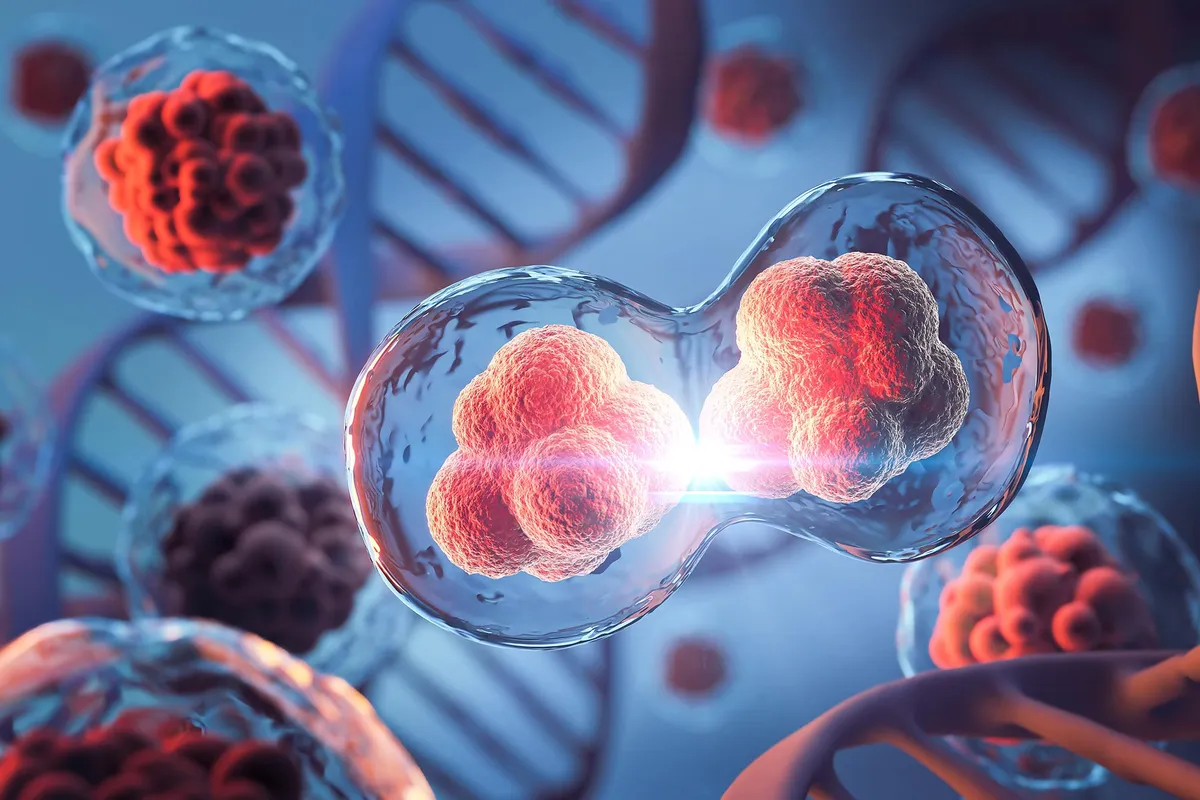
Scientists at Montana State University found a new survival method in mammalian cells. These cells can still make the important amino acid cysteine even when their usual systems fail. This changes a basic idea in cell biology. It could also lead to new ways to make cancer treatments work better.
The findings were published in Nature Chemical Biology.
A Cell's Secret Survival Skill
Cells need a constant supply of cysteine to live. However, cysteine is not found outside of cells. This creates a big problem for them.
We're a new kind of news feed.
Regular news is designed to drain you. We're a non-profit built to restore you. Every story we publish is scored for impact, progress, and hope.
Start Your News DetoxCysteine is vital for building proteins, keeping their structure, and protecting cells from damage. Without enough cysteine, cells quickly lose their ability to perform basic tasks and die.
Normally, cells make cysteine from a compound called cystine. This process uses a system called a disulfide reductase system.
Ed Schmidt, a professor at MSU and the lead author of the paper, explained that scientists always thought this process was essential for all living cells. But his team found a new system in mammalian cells that can take over when the main systems stop working.
How the Discovery Happened
The breakthrough took over nine years. The first hint came in 2014 when some mice survived even though they lacked any known way to turn cystine into cysteine.
Schmidt said this was thought to be impossible. No living organism or cell had ever been found that could live without a working disulfide reductase system.
Schmidt had created mouse models where each lacked one of the liver's two main disulfide reductases. He suspected that the belief about these reductases might be wrong.
Working with Peter Nagy in Budapest, Schmidt's team spent seven years figuring out how the animals kept making cysteine without the usual system.
They found that cells can switch to a different pathway. Instead of breaking a disulfide bond, this backup system cuts a nearby carbon-sulfur bond within cystine. This releases cysteine for the cell to use.
Schmidt believes this new pathway might have developed to protect against toxins. These toxins are made by some organisms to fight off threats.
He noted that this ability to survive without disulfide reductases likely evolved in our early ancestors. It helped them resist toxins from their food or environment.
Hope for Cancer Treatment
This same survival method might also help some cancer cells resist treatments like chemotherapy, radiation, and immunotherapy.
Schmidt explained that this pathway protects both healthy cells and cancer cells from damage. Now that they know about this defense, scientists might be able to disable it in cancer cells. This could make cancer therapies more effective.
Several MSU students helped with the study, including Zoe Seaford and Sydney Austad. They were undergraduate researchers in Schmidt’s lab. Martina Serrano Alvarez, Reed Noyd, and Colin Miller also contributed. Many scientists from different institutions worked together on the research.
Sreekala Bajwa, dean of the College of Agriculture, praised the team. She said this discovery shows how research can change what we think is possible and lead to new cancer treatments.
Schmidt joined Montana State University in 1999. His research covers gene regulation, cell physiology, mouse genetics, and metabolism.
Deep Dive & References
Cystine C–S bond cleavage fuels cysteine production under disulfide reductase deficiency - Nature Chemical Biology, 2026