Apparently, some secrets really do keep. A joint team of Slovenian and Mexican archaeologists just stumbled upon an entirely untouched Mayan city, deep within the Calakmul Biosphere Reserve in Mexico's Campeche region. Its name? Minanbé, which rather fittingly translates to "there is no road" in Maya Yucatec.
Because, well, there wasn't. For over a thousand years, this urban center lay swallowed by the jungle, patiently waiting for someone to hack their way through. Which, if you think about it, is both impressive and slightly terrifying.
A City Lost and Found
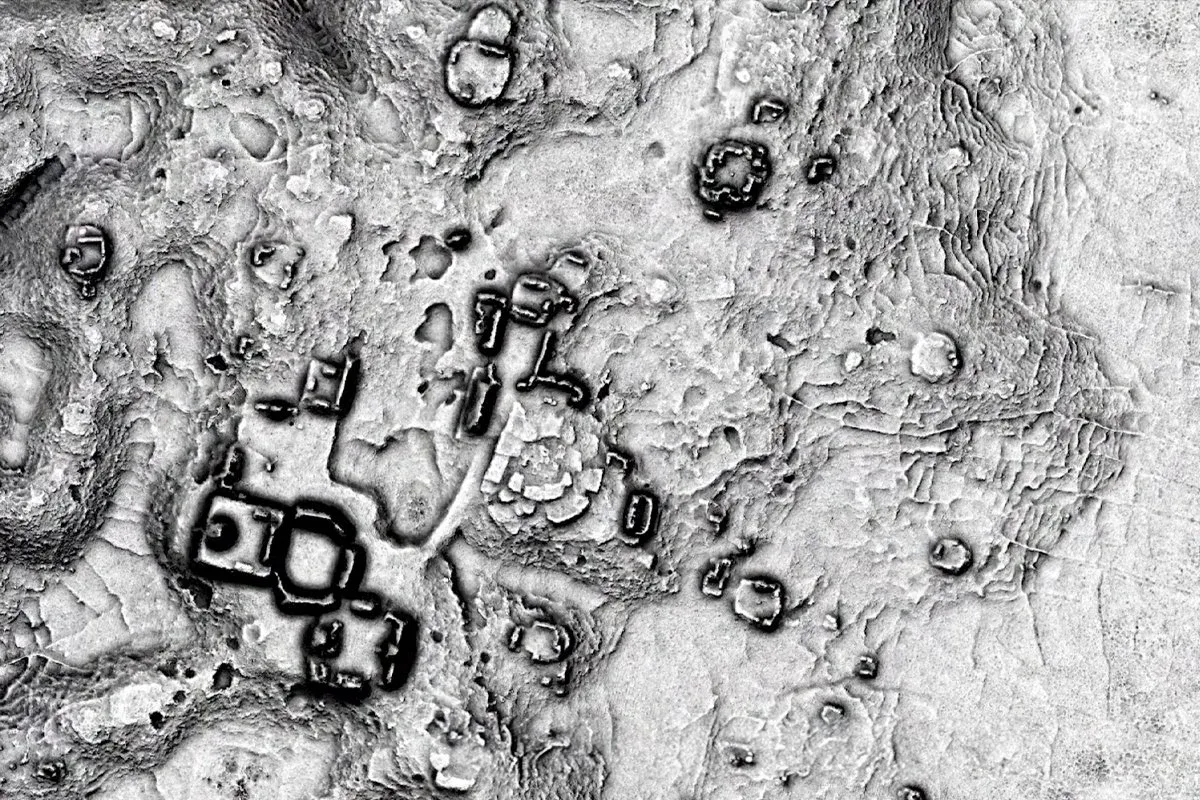
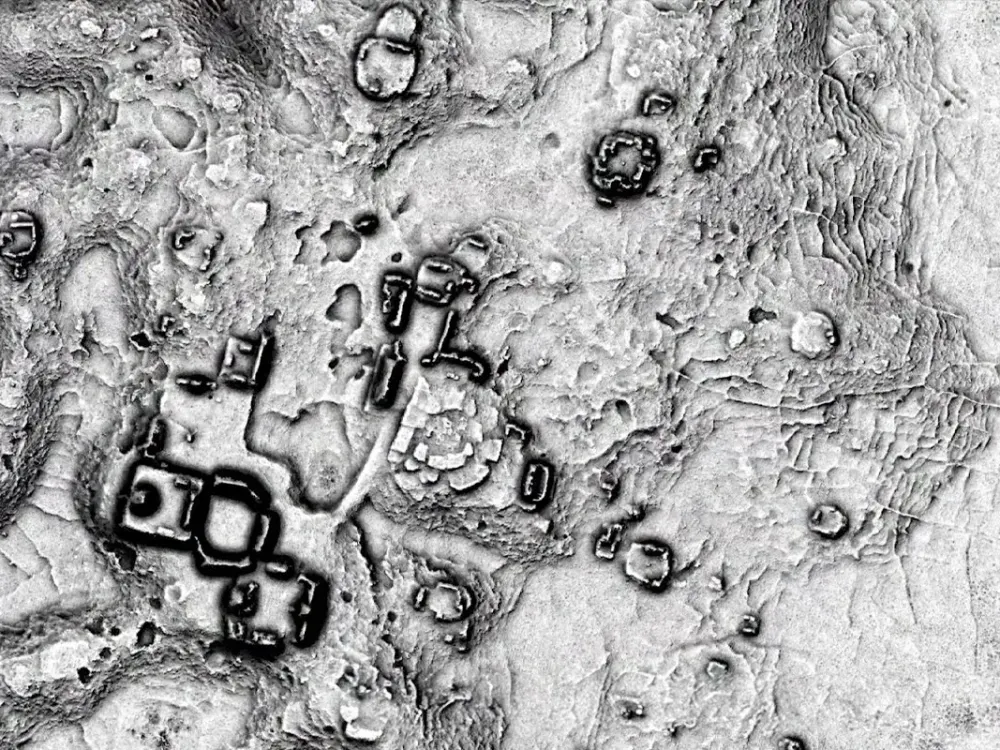
This isn't some tiny village. We're talking about a 37-acre urban hub, complete with a 43-foot-high pyramid temple (roughly four stories, for those of us who measure in modern terms), 14 carved altars, and stelae — those big stone slabs that tell ancient tales. All of it hidden beneath a dense forest canopy, just east of a previously discovered city called Chactún.
We're a new kind of news feed.
Regular news is designed to drain you. We're a non-profit built to restore you. Every story we publish is scored for impact, progress, and hope.
Start Your News DetoxThis epic find is the culmination of a 30-year quest by lead archaeologist Ivan Šprajc, who has been methodically searching the Central Maya Lowlands. This region, during the Maya civilization's Late Classic period (600–900 CE), was home to a staggering 9 to 11 million people. Let that satisfying number sink in.
The team used airborne LiDAR mapping (think: laser-based x-ray vision for forests) to spot the sprawling city under the greenery. But to actually get there? Archaeologists and local workers had to cut a three-mile path with machetes, then trek in on foot and ATVs. Šprajc noted that the sheer difficulty of access was a good sign. It meant no old logging roads, and crucially, no looters had ever made it through.
What the Stones Are Saying
Among the treasures surveyed by archaeologists Atasta Flores Esquivel, Israel Chato López, Quintín Hernández Gómez, and Vitan Vujanović, was a pyramid temple boasting classic Río Bec architectural features – a style popular from the 7th to 12th centuries CE. Vujanović described it as the best-preserved temple he'd ever recorded. Which, for an archaeologist, is basically shouting from the rooftops.
Then there's Stele 1, a stone slab that chillingly depicts a beheading scene. It also features a calendar sign dated to 849 CE. Epigraphist Octavio Esparza Olguín believes these monuments were built during the Terminal Classic period, right around the 10th century CE when many sites in the region were mysteriously abandoned.
Even more intriguing is an altar that appears to have been deliberately broken. It's covered in hieroglyphic carvings and shows a ruler in a feathered headdress. One of the texts includes part of a Long Count date, probably from the late 7th century CE, making it one of the area's earliest inscriptions. Its damage suggests some serious drama: perhaps groups from the northern Yucatán Peninsula invaded the already-abandoned city. Because apparently, even ghost towns can't catch a break.
Minanbé is just the latest in a series of discoveries in Campeche, all thanks to that handy LiDAR technology. So, who knows what other ancient secrets are still out there, just waiting for a laser beam and a machete?