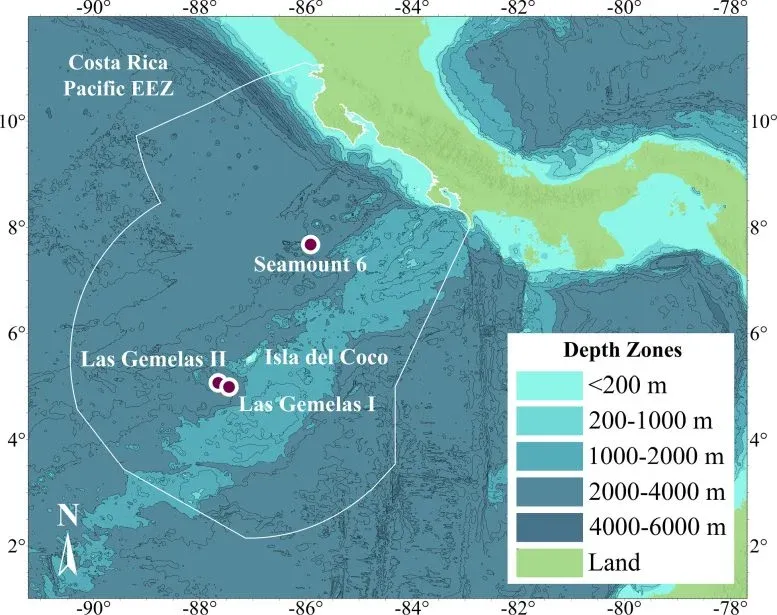
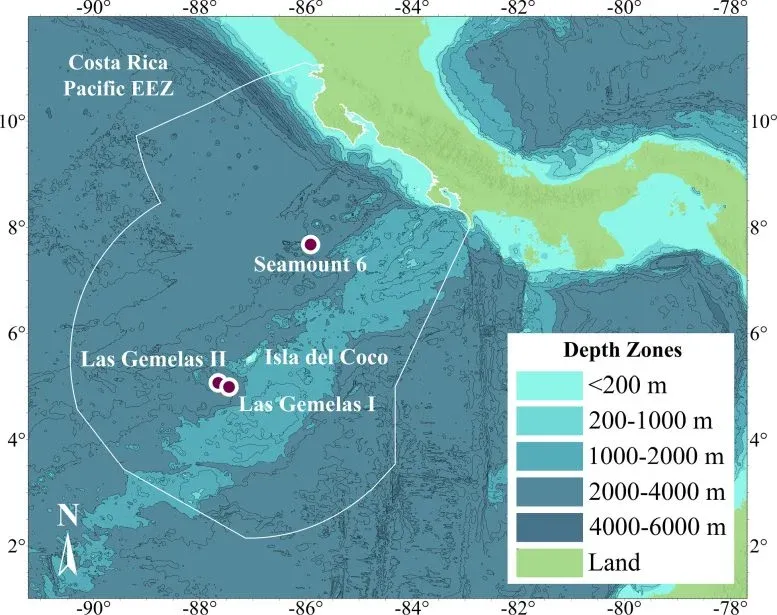
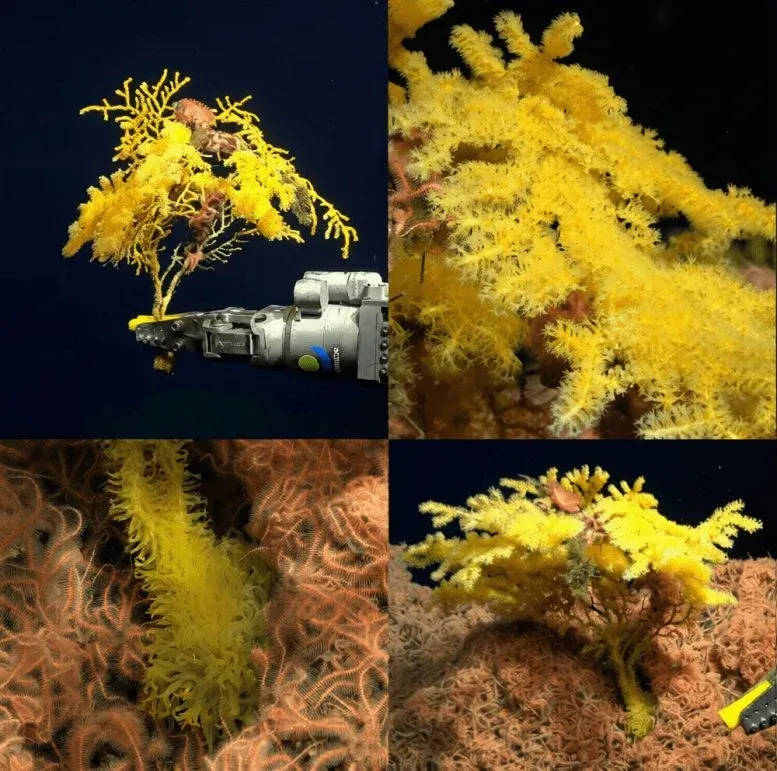
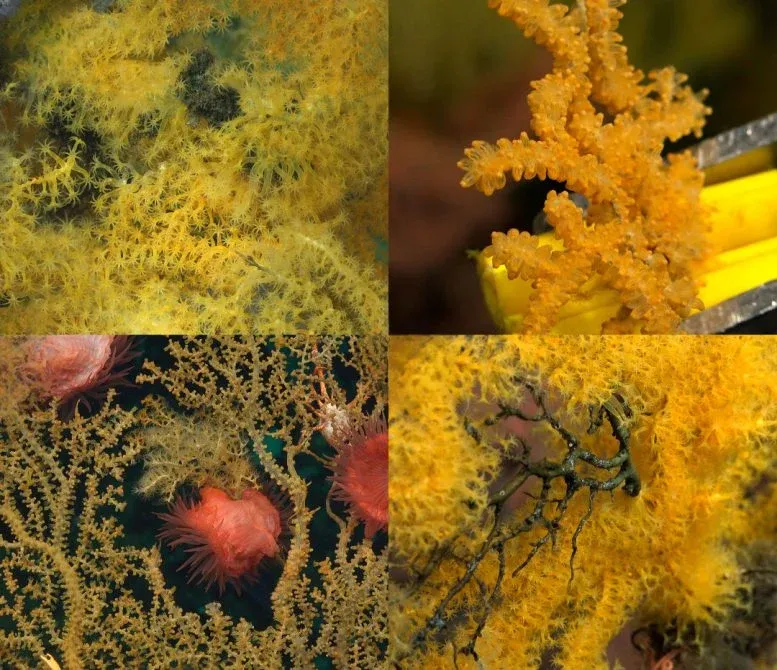
Hundreds of meters below the Pacific Ocean off Costa Rica, scientists found bright yellow coral colonies. These corals grow on rocky seamounts that are almost completely covered by brittle stars.
The coral is so unique that researchers created an entirely new family to classify it. This species was found at depths of about 360 to 529 meters. Its discovery is detailed in the journal ZooKeys.
Some of these coral colonies grow over a meter tall. Researchers used a remotely operated vehicle called SuBastian to collect samples. This happened during expeditions in 2019 and 2023 aboard the Schmidt Ocean Institute research vessels Falkor and Falkor (too). These trips explored seamounts near Isla del Coco and along Costa Rica’s Pacific coast.
We're a new kind of news feed.
Regular news is designed to drain you. We're a non-profit built to restore you. Every story we publish is scored for impact, progress, and hope.
Start Your News DetoxThe coral was very common on rocky areas. Its golden branches reached up above the seafloor, which was densely populated with brittle stars.
An Unusual Name
The coral's unique surroundings inspired its name. The new genus, Laurinque, comes from "Laurinquë." This is the Quenya word for "golden tree," an Elvish language created by J.R.R. Tolkien. The name refers to the coral's bright yellow color and tree-like shape.
Its species name, elenya, means "stellar" or "of the stars" in Quenya. This refers to the many brittle stars surrounding the coral colonies. Together, the names paint a picture of a deep seafloor that reminded the researchers of a mystical elvish landscape.
A New Family Tree
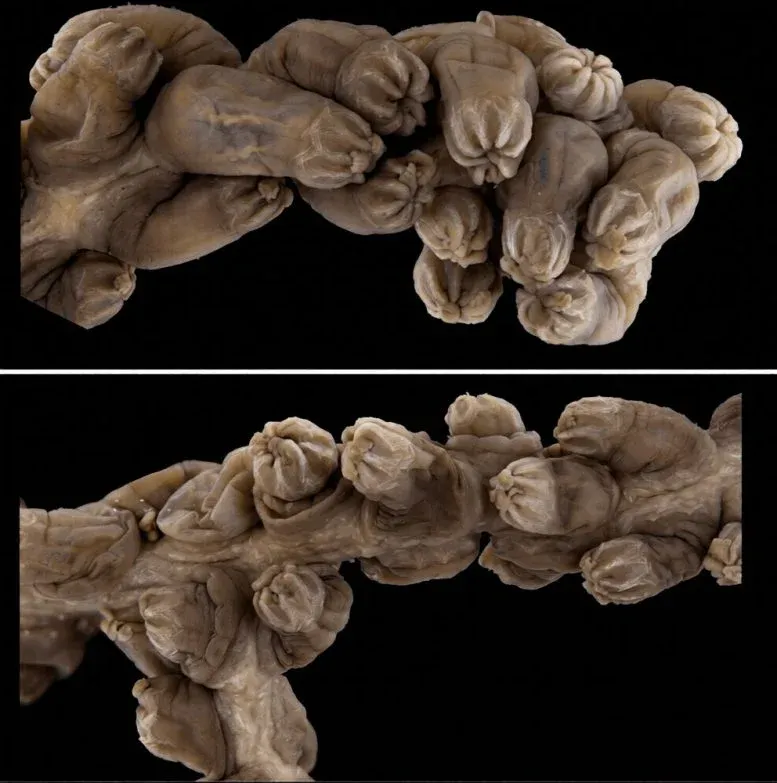
Figuring out where this coral fit on the evolutionary tree was surprisingly hard. Researchers sequenced three genes typically used for coral classification. Each gene suggested the species belonged to a different, unrelated family. This created a strong conflict in the results.
To solve this, the researchers used phylogenomics. This method compares hundreds of genes at the same time. The broader analysis showed that the coral did not belong to any known family. While its closest relatives are in the Eunicellidae family, its genetics and anatomy were different enough. This led to the creation of both a new family, Laurinqueidae, and the new genus Laurinque.
Dr. Odalisca Breedy from the Universidad de Costa Rica, the lead researcher, first saw the coral garden in 2019. She was struck by its beauty, which later inspired the elvish name. She initially thought it might belong to a known group. However, early analysis showed it was very different.
In 2023, more samples were collected. Thanks to detailed molecular analysis by her colleagues, Cathy McFadden, Catalina Murillo, and Andrea Quattrini, they could determine its unique place in the taxonomic system.
Underexplored Seamounts
Dr. Breedy led this research with an international team. The Schmidt Ocean Institute and a grant from the National Geographic Society supported the expeditions.
This discovery adds to a growing list of new species found on Costa Rica’s seamounts. It highlights how much of the deep ocean remains unexplored. The deep ocean covers about two-thirds of Earth’s surface. Coral gardens like this one are important marine ecosystems. Their complex structures provide homes for many deep-sea creatures.
Deep Dive & References
A coral among stars: A new octocoral family (Anthozoa, Octocorallia, Malacalcyonacea) from seamounts in the tropical eastern Pacific - ZooKeys, 2026