Celebrating an anniversary usually involves cake, maybe some sparklers. NASA, however, decided to go full cosmic, releasing a set of images and sounds so spectacular they make your backyard BBQ look a bit… pedestrian. To mark the nation's 250th, they’ve dropped some truly stunning visuals and sonifications — which is a fancy way of saying they turned space data into actual sound. Because apparently, space doesn't just look good, it also has a killer soundtrack.
The Universe in Technicolor
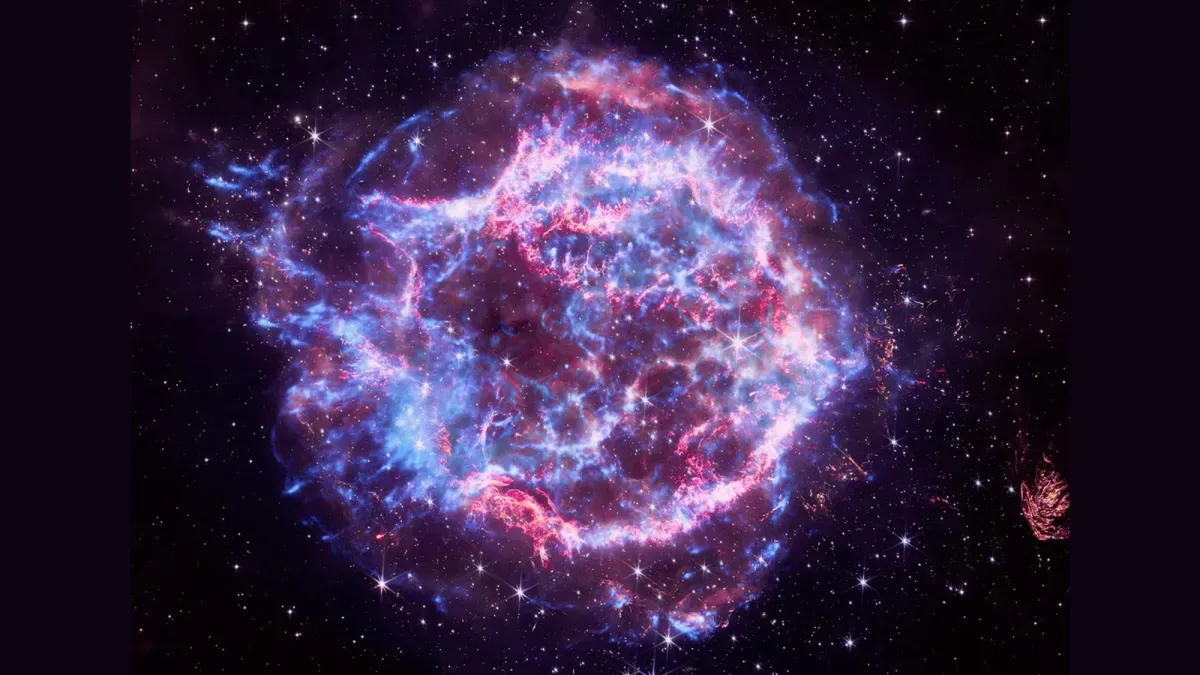
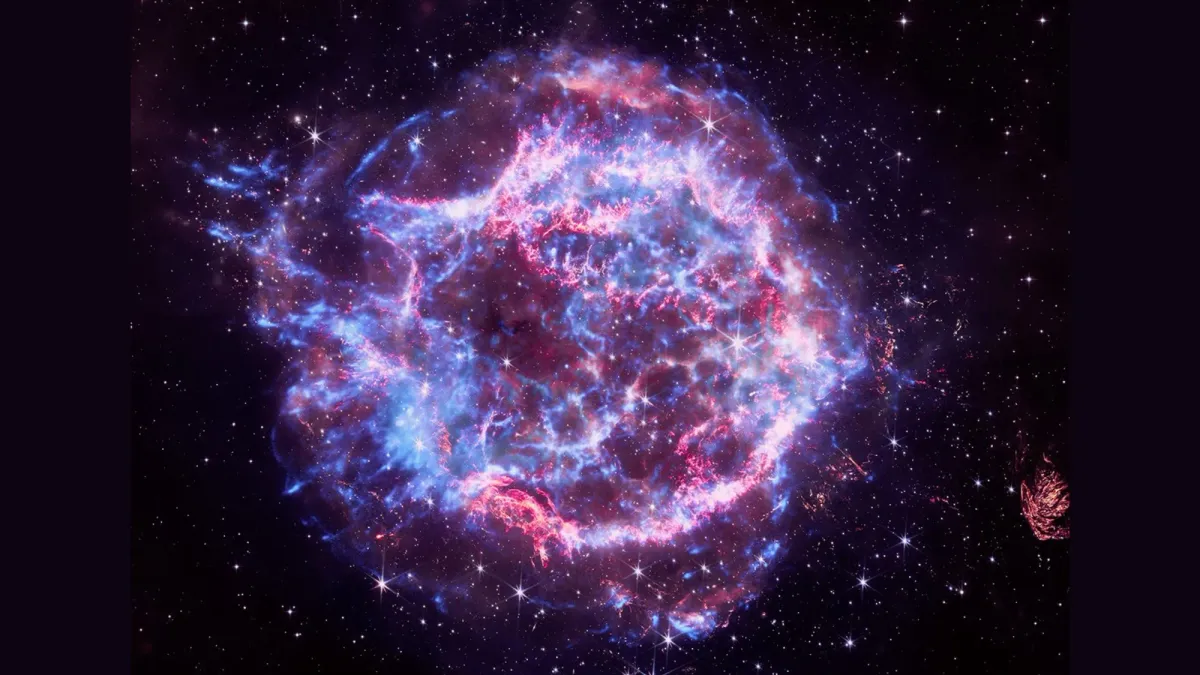
First up, there’s Cassiopeia A, a supernova remnant chilling about 11,000 light-years away. NASA, using data from the Chandra X-ray Observatory and the James Webb Space Telescope, painted this cosmic explosion in patriotic red, white, and blue. The X-rays, glowing in blue and purple, map out the star’s explosive blast wave, which, naturally, is jam-packed with elements like calcium, iron, and oxygen. The infrared parts, shown in red and white, reveal the expanding shell of cosmic dust that’s still growing from the initial bang. A star went out with a bang, and now it's just showing off.
Then there’s the star cluster nestled inside the NGC 3603 nebula, roughly 20,000 light-years from Earth, hanging out on the far side of the Milky Way. Think of it as our galaxy’s distant, glittering cousin. And for the grand finale, the Messier 94 spiral galaxy, a cool 16 million light-years away, sports a vibrant "starburst ring" where new stars are popping into existence like confetti. Because why just exist when you can sparkle?
We're a new kind of news feed.
Regular news is designed to drain you. We're a non-profit built to restore you. Every story we publish is scored for impact, progress, and hope.
Start Your News DetoxThe Sounds of Silence (Not Really)
But the real party trick? The sonifications. NASA took that Messier 94 galaxy and gave it a voice. Different pitched tones, played on a glass marimba, represent objects like neutron stars and stellar-mass black holes. So, you're not just seeing the universe; you're hearing its deepest, darkest secrets played on what sounds suspiciously like a cosmic xylophone. For the NGC 3603 nebula, piano notes chime in, with the brightness of celestial objects dictating the notes. It’s like the universe decided to compose its own symphony, and we’re finally getting to listen in.