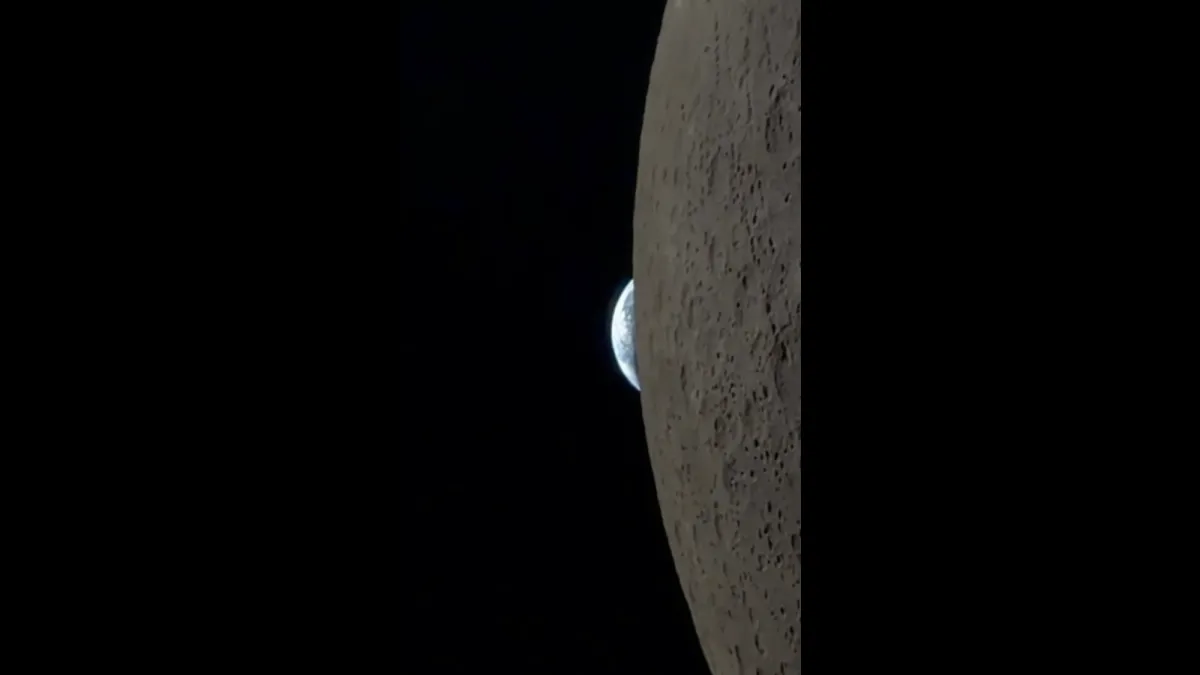
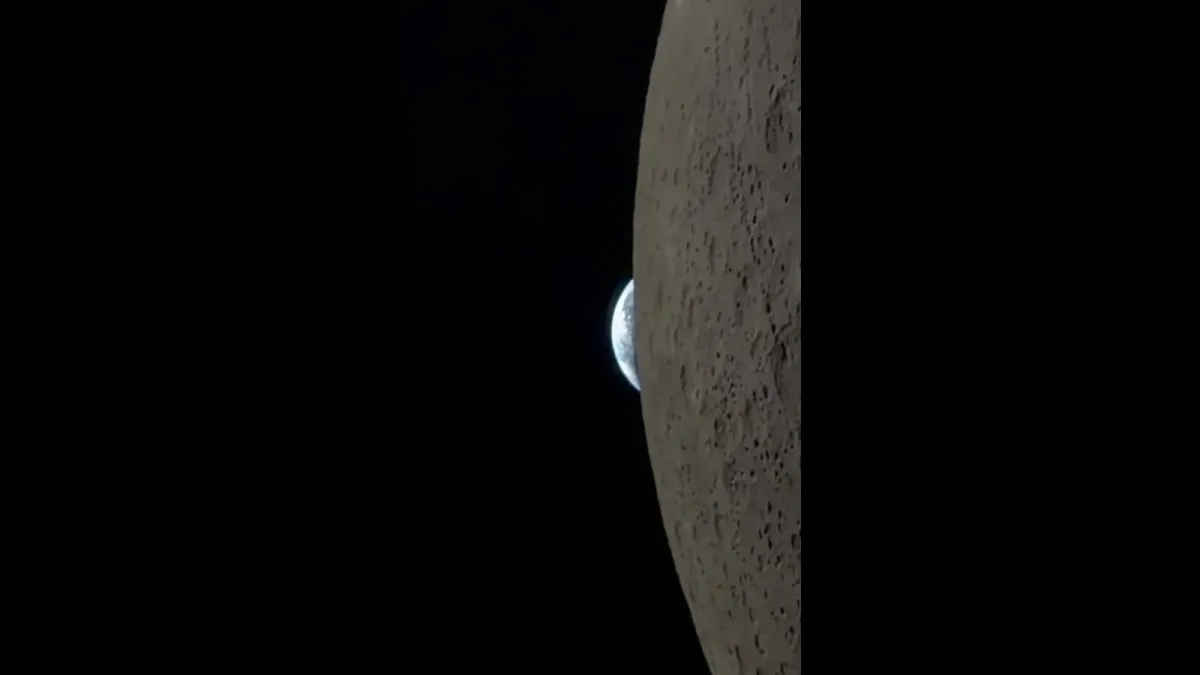
You know those epic, professionally shot space videos? The ones that make you feel tiny but also incredibly connected to the universe? Well, the Artemis II crew just dropped another one, and this time, it's personal. Commander Reid Wiseman filmed an "Earthset" video on his iPhone, and it's exactly what it sounds like: our big blue marble slowly dipping below the lunar horizon, looking for all the world like a very slow, very important sunset.
Wiseman, perhaps anticipating the inevitable "what camera did you use?" questions, confirmed it was an unedited iPhone 17 Pro Max, using 8x zoom to mimic human vision. Because apparently, even in deep space, your phone camera is still your most reliable companion.
Farther Than Ever Before
This new footage adds to the already stunning collection from their 10-day mission. Back on April 6, Wiseman, pilot Victor Glover, and mission specialists Christina Koch and Jeremy Hansen completed a historic hour-long lunar flyby. During this celestial detour, they snapped photos of the moon's dark side, capturing its ancient, scarred surface – a cosmic geology lesson in real-time.
We're a new kind of news feed.
Regular news is designed to drain you. We're a non-profit built to restore you. Every story we publish is scored for impact, progress, and hope.
Start Your News DetoxThey also set a new human spaceflight record, rocketing 4,111 miles farther from Earth than the Apollo 13 mission did in 1970. Which, if you think about it, is both impressive and slightly terrifying. Imagine breaking a distance record while also trying to find the perfect angle for your iPhone video.
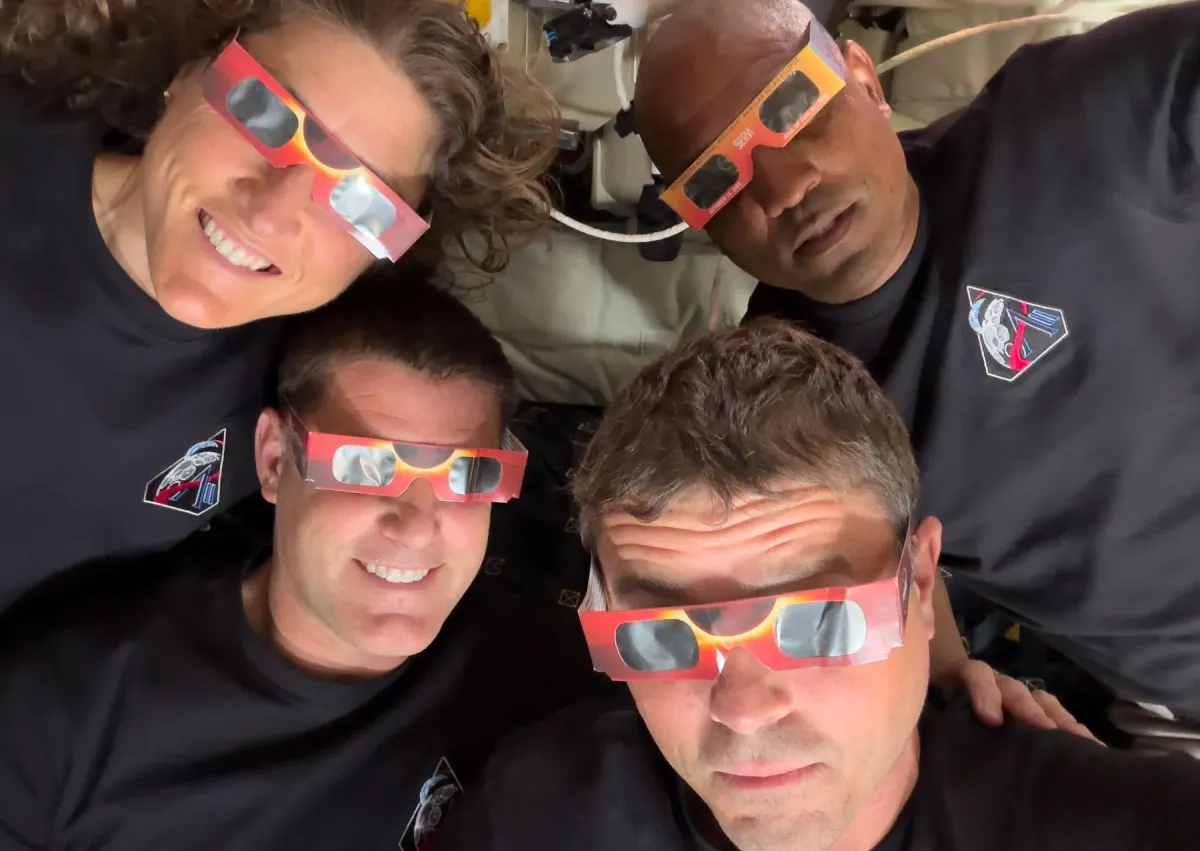
Oh, and they also watched a solar eclipse from orbit, wearing paper glasses just like the rest of us terrestrial folk. While the moon blocked the sun for an hour, they studied the sun's outer atmosphere, the corona, and even looked for flashes from meteoroids hitting the moon. Because understanding cosmic impacts is apparently crucial for future moon bases. Who knew?
After a journey of nearly 700,000 miles (and, yes, some reported toilet issues and a need for hot sauce), the Artemis II crew officially splashed down on April 10, 2026. Next up: Artemis III in 2027, which aims to test how the Orion spacecraft can link up with other commercial vehicles to finally land astronauts on the moon. Let's just hope they remember to pack extra hot sauce.