Imagine a world where the water flowing from a desalination plant costs less than that fancy bottled stuff you grab at the airport. Chinese scientists just took a huge step toward making that reality, developing a solar-powered desalination system that runs on nothing but sunshine.
Their new tech uses a rather ingenious 3D structure to supercharge solar evaporation. They're betting that within two years, the water this system produces will undercut the price of your average commercial bottled water. Let that satisfying number sink in.
The "Nanoforest" That Drinks the Ocean
Traditional desalination, particularly reverse osmosis, is an energy hog. It shoves seawater through tiny membranes, demanding a hefty electricity bill. Solar evaporation is the cleaner, more elegant cousin, but it has a design flaw: the best heat-absorbing materials, those microscopic nanoparticles, tend to clump together in water. Which, as you can imagine, is less than ideal when you’re trying to efficiently turn liquid into vapor.
We're a new kind of news feed.
Regular news is designed to drain you. We're a non-profit built to restore you. Every story we publish is scored for impact, progress, and hope.
Start Your News DetoxSo, the clever folks behind this invention found a workaround. They used strong plastic chains (polyethylene terephthalate, or PET, for those keeping score) to link together hollow nanospheres. These chains are threaded through the nanospheres' tiny holes, then interlock when cooled, creating a stable, three-dimensional "nanoforest." It’s a bit like building a microscopic, incredibly efficient jungle gym for water molecules.
This new material is a workhorse, evaporating water at a staggering rate of 38.14 kilograms per square meter per hour. That’s 8.5 times faster than older 2D membrane systems. Professor Wang Dan, a lead author, credits this impressive performance to the material's ability to convert light into heat and move water around with serious efficiency.
It also traps an astounding 90.2% of sunlight, bouncing and scattering rays within its intricate 3D structure. And because apparently that’s not enough, a unique nanoscale effect also lowers the energy needed to turn water into gas, slashing the total evaporation energy by 45.7%. Because why not?
Sunshine, Spinach, and Serious Durability
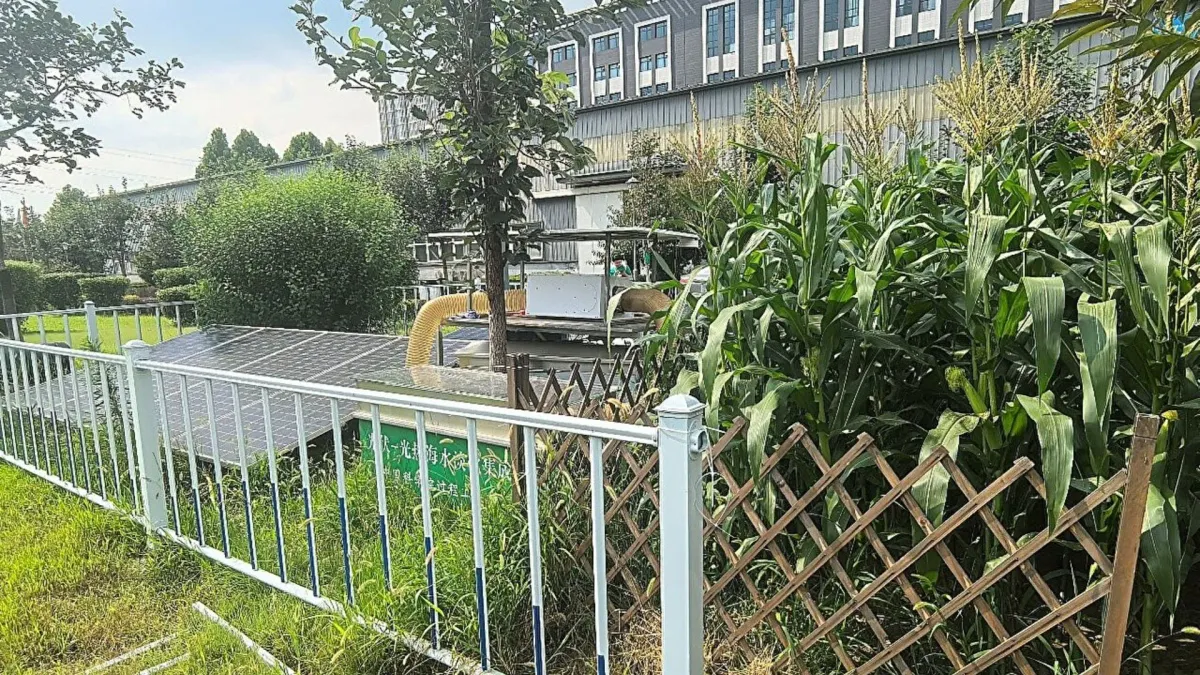
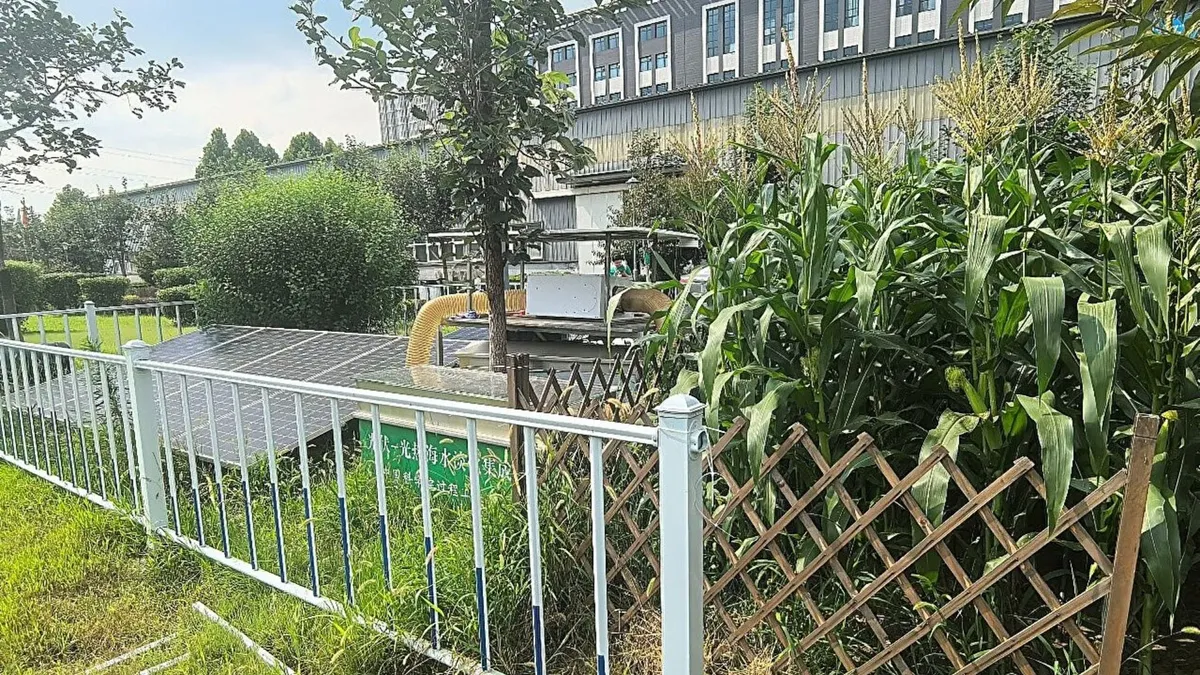
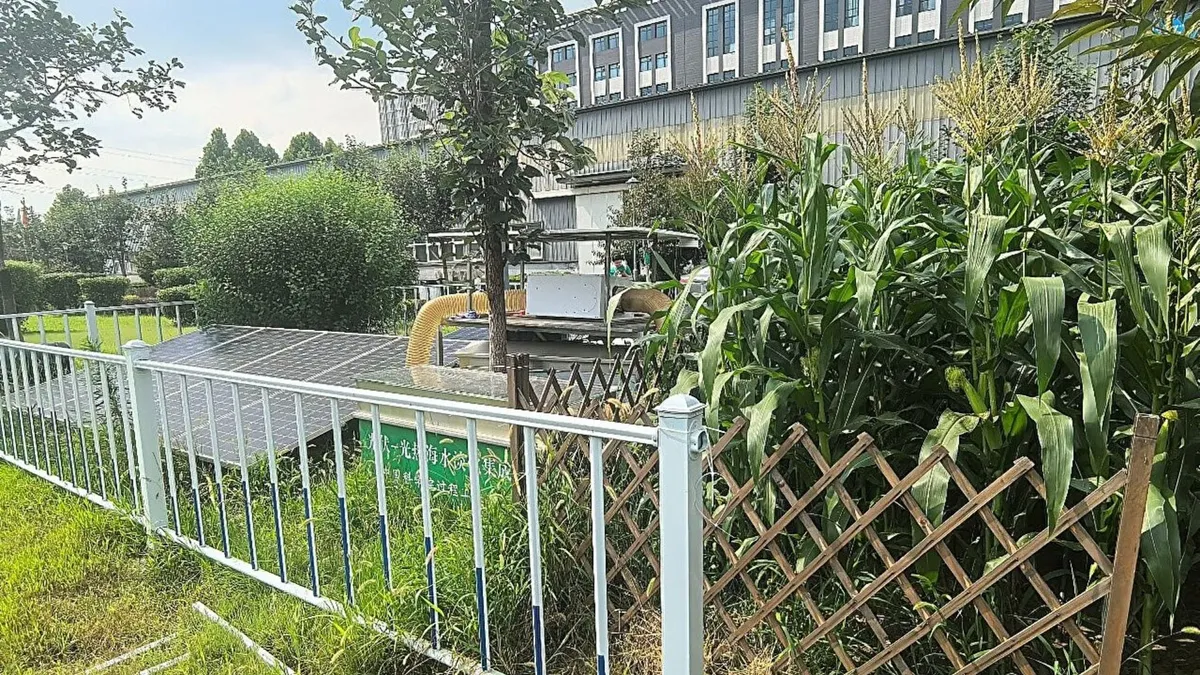
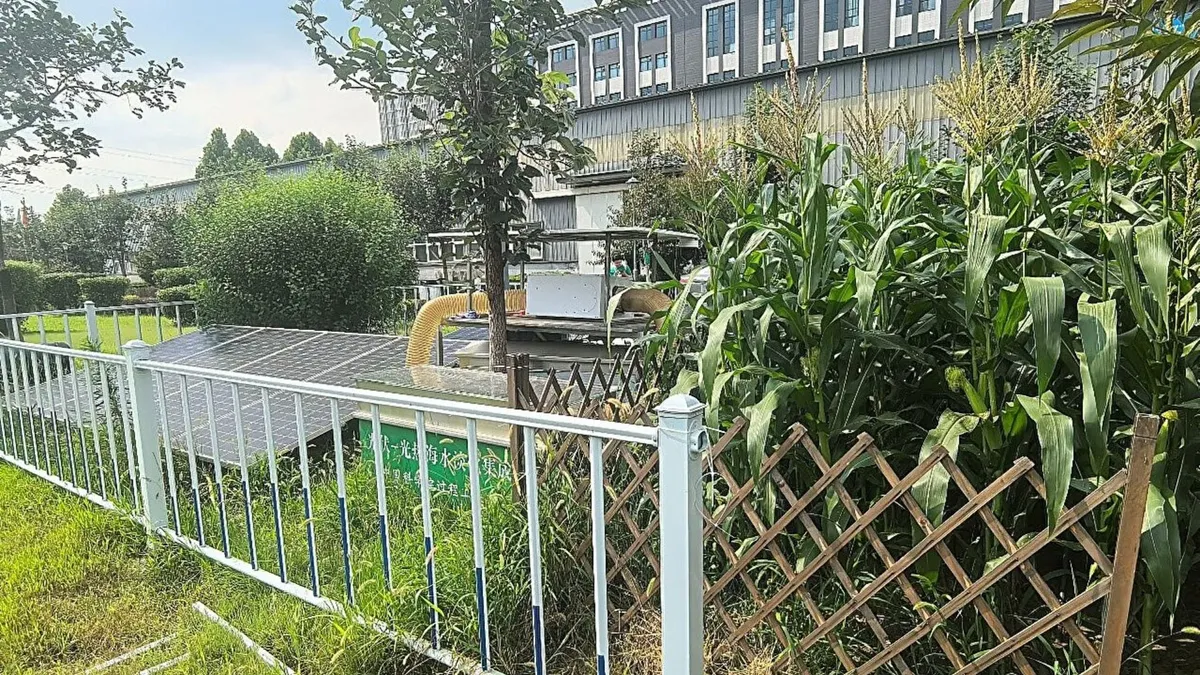
To prove this wasn't just a lab curiosity, the team built a larger outdoor device, roughly 0.75 square meters. It used a tiny solar panel to power a fan, which pushed steam into a condensation box. That was it. No other external power. This sun-powered system produced over 20 liters (about 5.33 gallons) of pure drinking water daily. That’s enough for ten people and meets World Health Organization standards. Your daily hydration, brought to you by the sun and some very smart plastic chains.
They even used the desalinated water to irrigate an experimental farm plot, successfully growing healthy crops like spinach, corn, and Chinese cabbage over a full season. Because if you’re going to solve the water crisis, you might as well throw in some fresh produce.
Worried about durability? Solar materials can often degrade under intense sunlight. So, the team put their "nanoforest" through the wringer: soaking it in seawater and spinning it at 450 revolutions per minute for 30 days. The result? No detached nanoparticles, no harmful aging chemicals. The prototype has been working stably outdoors for an entire year. Which, if you think about it, is both impressive and slightly terrifying for anyone who's ever owned a plastic lawn chair.
This technology isn't just a scientific curiosity; it’s a potential game-changer for remote islands and parched coastal regions, promising fresh water that's both accessible and, critically, affordable. Suddenly, that bottled water habit might start looking quite expensive.