Good news for anyone who’s ever stared down a plate of cookies, full but inexplicably needing just one more: scientists just found a hidden brain pathway that explains why those new oral GLP-1 weight-loss drugs actually work. And it’s not just about curbing your stomach rumbling.
Turns out, these drugs are hitting a different target altogether, one that whispers sweet nothings about pleasure-eating, not just hunger. Which, if you think about it, is both impressive and slightly terrifying for the cookie industry.
Your Brain on Pills
Unlike the injectable GLP-1s you might have heard of (looking at you, Ozempic), these newer oral versions, like orforglipron, are pills. Cheaper to make, easier to take, and potentially way more accessible. The National Institute on Drug Abuse (NIDA) is understandably keen to understand how they work, given their rapidly expanding fan club.
We're a new kind of news feed.
Regular news is designed to drain you. We're a non-profit built to restore you. Every story we publish is scored for impact, progress, and hope.
Start Your News DetoxPrevious research mostly focused on how the injectables hit the hypothalamus — your brain’s primary hunger control center. But the smaller, oral drugs? Their brain-mapping secrets were a bit more elusive.
Enter the University of Virginia team, who did what any good scientist does: they tinkered with mice. Specifically, they modified mouse GLP-1 receptors to be more human-like, then dosed them with orforglipron (or a similar drug, danuglipron).
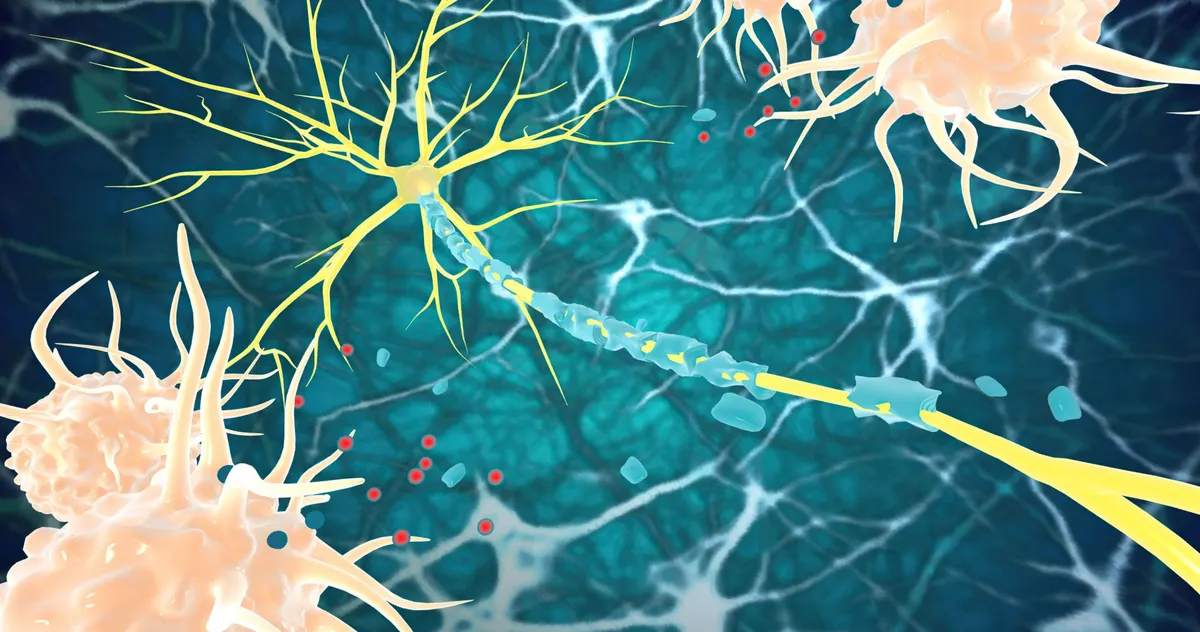
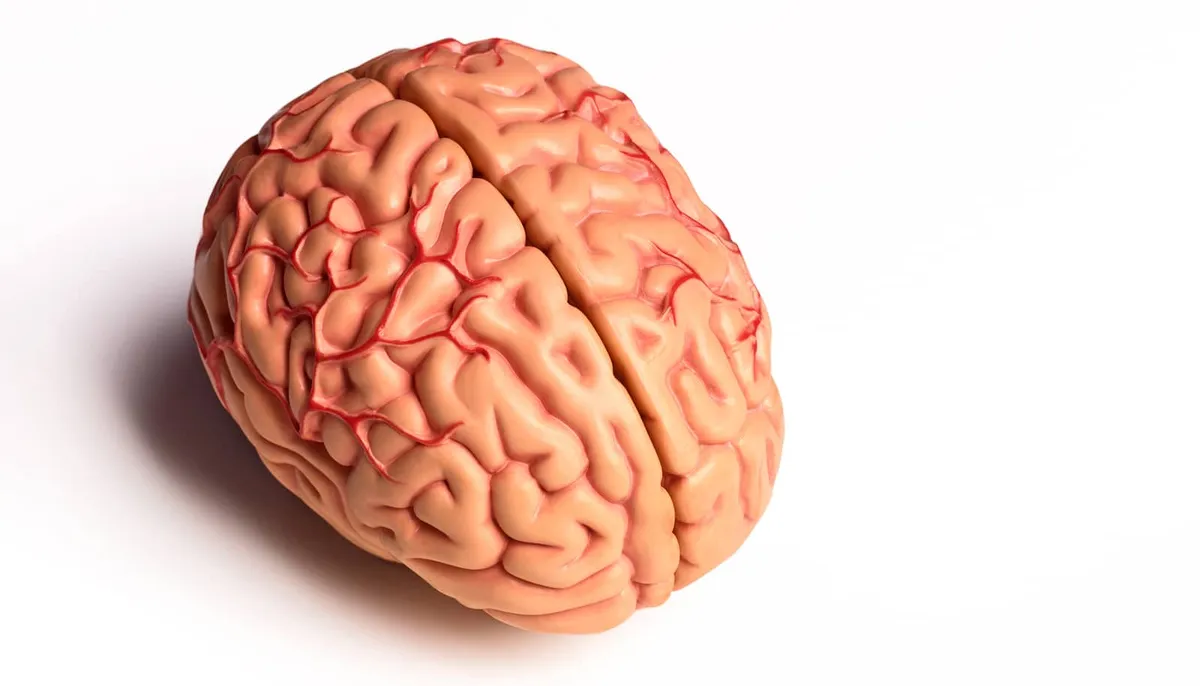
What they found was a bit of a brainy plot twist. The drugs didn't just light up the usual appetite suspects; they also activated the central amygdala. That’s the part of your brain deeply connected to desire and reward. Until now, no one thought GLP-1 drugs could directly waltz into that party.
The Dopamine Download
Further tests revealed the central amygdala activation was doing something pretty profound: it was reducing dopamine release in the brain’s reward system specifically during pleasure-driven eating. So, it wasn't just telling the mice they were full; it was telling them the idea of eating that extra treat wasn't quite as thrilling as they thought.
As Ali Guler, a biology professor at UVA, put it: GLP-1s were known to stop hunger-driven eating. Now, it looks like the oral versions also dial down the desire for pleasure-eating by messing with a whole different reward circuit. Suddenly, that second slice of pizza doesn't look quite so sparkly.
The next logical step? Seeing if these drugs can curb other cravings not related to food. Imagine a world where your brain just… isn't that bothered by your old vices. The future, apparently, is less about willpower and more about clever chemistry.