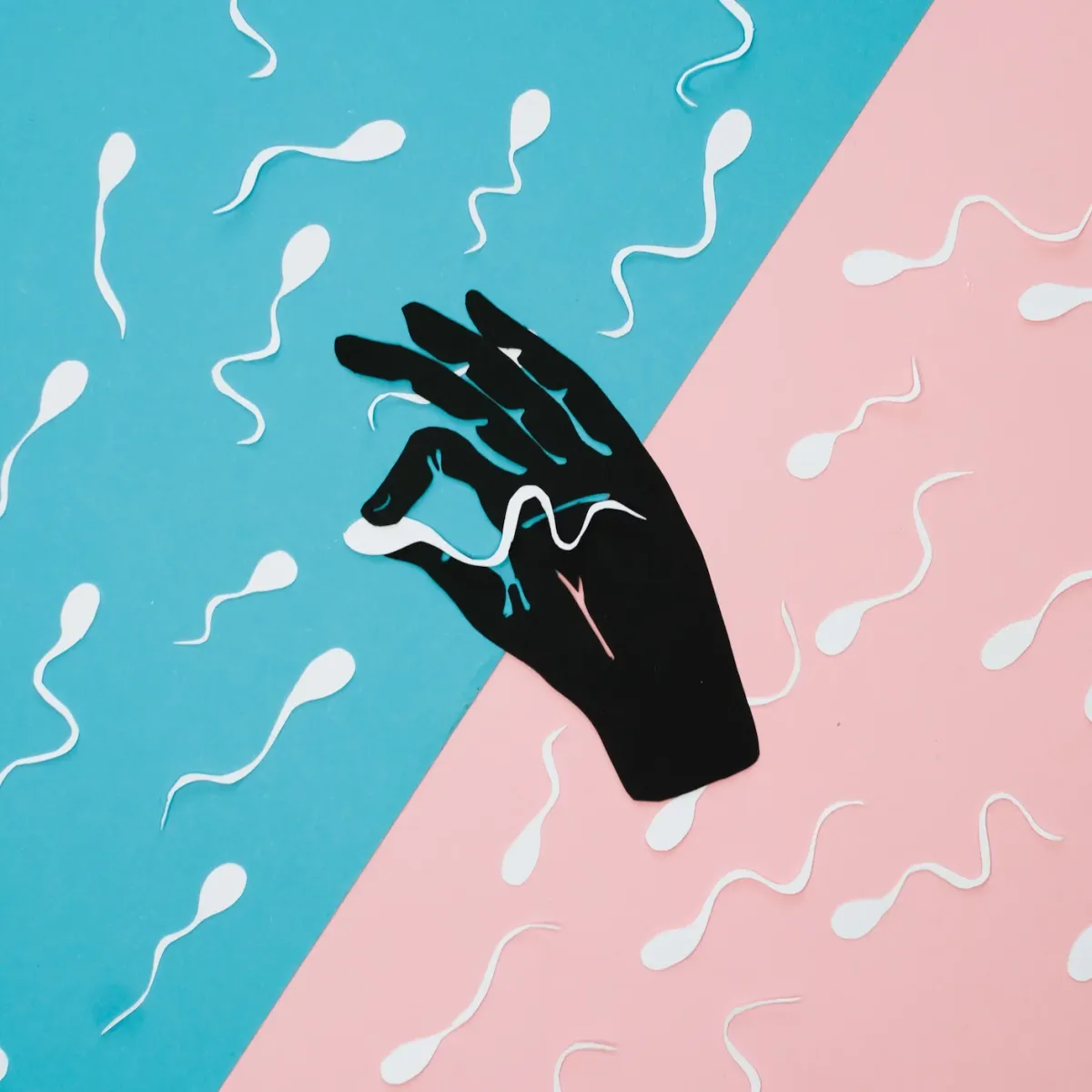
Turns out, if you want to understand how human sperm develops, sometimes you just need to put some human cells in a mouse kidney. Because apparently, that's where we are now.
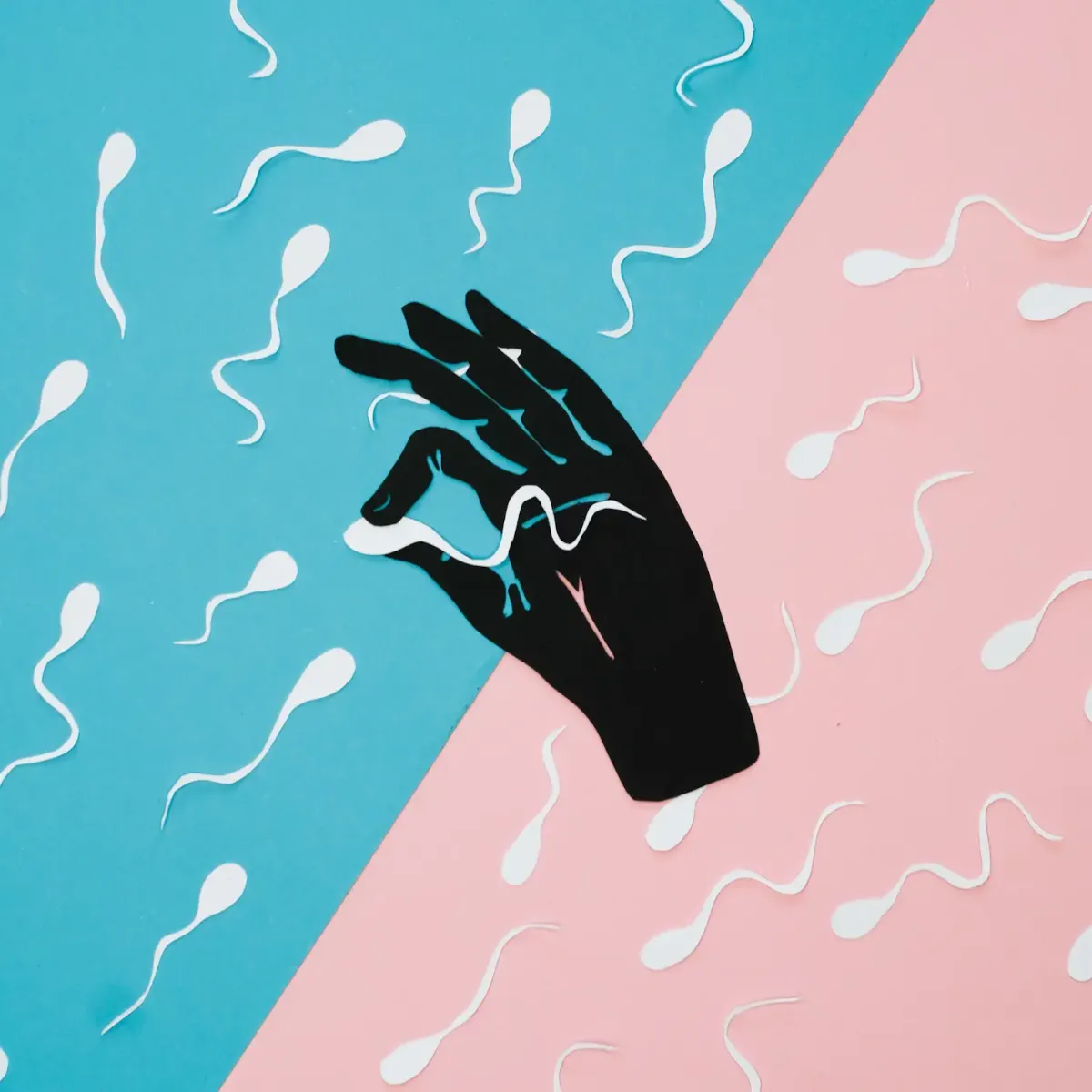
Researchers recently managed to get human cells, derived from blood, to start forming immature sperm inside a mouse's kidney. It’s a wild, slightly Frankensteinian step in the quest to create human reproductive cells in a lab. And while it sounds like something out of a sci-fi movie, the implications are genuinely fascinating — from unraveling male infertility to offering new paths for same-sex couples to have genetically related children. Though, before you start picking out baby names, we're still a long way from the nursery.
The Rodent Test-Tube
The team at the University of Pennsylvania, led by Kotaro Sasaki, essentially built a tiny human cell pouch and tucked it under a mouse's kidney. For up to nine months, these cells slowly, painstakingly, began their transformation into immature sperm cells. Think of it as a very slow, very weird, biological time-lapse.
We're a new kind of news feed.
Regular news is designed to drain you. We're a non-profit built to restore you. Every story we publish is scored for impact, progress, and hope.
Start Your News DetoxStudying how human sperm forms is incredibly tricky because it all kicks off before we're even born. This new, slightly unconventional setup gives scientists a front-row seat to those earliest, most mysterious stages. They've already managed to create working mouse sperm and egg cells from skin cells, even producing healthy mouse pups with two biological fathers. But humans? We're a bit more complex, reproductively speaking.
Crucially, the team also successfully grew immature monkey sperm cells using the same method. Given that monkey reproductive biology is far more akin to ours than a mouse's, this brings us a significant step closer to potential human applications. It could even be used to test if certain drugs might damage human fertility, giving us a heads-up before things go sideways.
The Recipe for Life (Kind Of)
For years, scientists have been able to turn adult cells into induced pluripotent stem cells (iPSCs) — basically, cells that can become almost anything else. The trick, however, has been convincing them to become sperm, a process that in humans, takes years to unfold naturally.
Sperm development is a complex symphony of cells, proteins, and physical cues. Recreating that entire ecosystem in a petri dish? A monumental headache. So, the researchers got creative. They mixed their immature human cells with supportive cells from mouse testes, creating a sort of hybrid mini-testis. This concoction, dubbed xrTestis, formed tube-like structures that mimicked the real deal.
But there was a catch: these mini-testes only lasted about 80 days and the cells never matured past the fetal stage. Likely because, well, they weren't getting a blood supply. Enter the mouse kidney. By transplanting their xrTestis into the kidneys of immune-compromised mice, the structures not only survived for at least six months but started showing signs of a crucial "epigenetic reset" — essentially, a deep clean of the DNA that's vital for healthy sperm.

Even with this impressive feat, the cells didn't reach full maturity. The difference in signaling molecules and hormones between human and mouse environments is likely the culprit. Swapping out those mouse support cells for human ones might be the next step in this biological tango.
The Ethical Elephant in the Lab
While the immediate goal is research, the long-term implications are already sparking conversations. Imagine a world where large quantities of sperm and eggs could be created in the lab. This opens the door to everything from helping infertile couples to potentially making “designer babies” — especially if combined with gene editing. And the more unsettling thought: could reproductive cells be created from just a few skin cells without permission? The UK is already asking its government for laws to cover lab-grown reproductive cells, and the International Society for Stem Cell Research is calling for careful oversight.
Companies are, of course, already pushing forward. One startup claims to have made working sperm from testicular biopsies, and another says they've created early human egg cells from iPSCs. Neither has published their data, so for now, it's all claims and no scientific receipts.
For now, the University of Pennsylvania team is clear: this is a research tool, not a fertility treatment. But it’s a tool that’s making us rethink what's possible, and what we should make possible, in the wild world of human reproduction. Prepare for some interesting dinner table conversations.