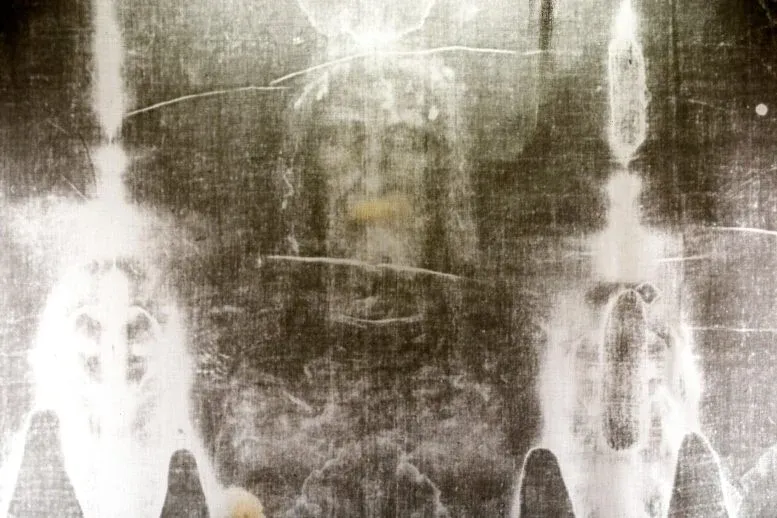
Turns out, the Shroud of Turin isn't just a centuries-old piece of linen. It's a biological time capsule, a linen-based social network, if you will, that's been collecting DNA from every single thing it's ever touched. And apparently, it's touched a lot.
Scientists just dropped the most detailed look yet at the biological traces clinging to the Shroud. We're talking human DNA, a veritable zoo of microbes, and even genetic material from plants and animals. All thanks to some seriously advanced DNA sequencing on samples taken way back in 1978. Because, apparently, even ancient artifacts need a good forensic deep dive.
A Global Microbe Party
This international project, led in part by Professor Noemi Procopio from the University of Lancashire, found a smorgasbord of genetic information. Not just several types of human DNA, but also a thriving ecosystem of bacteria, fungi, and — because why not? — microorganisms that absolutely love salty conditions. The Shroud, it seems, has excellent taste in company.
We're a new kind of news feed.
Regular news is designed to drain you. We're a non-profit built to restore you. Every story we publish is scored for impact, progress, and hope.
Start Your News DetoxBut wait, there's more! Researchers also uncovered genetic material from farmed plants like wheat, corn, and even bananas. Plus, DNA from domesticated animals including cattle, pigs, and chickens. And, in a plot twist no one saw coming, Mediterranean red coral. Which, if you think about it, is both impressive and slightly terrifying.
Now, before you start rewriting history books, the DNA doesn't confirm the Shroud's age or authenticity. That would be too easy. What it does do is show just how wild forensic genomics can get when reconstructing an object's past. Centuries of handling mean finding a pristine, original DNA sample is about as likely as finding a quiet corner at a rock concert.
However, these advanced methods are giving us unprecedented clues about how the Shroud was preserved, what environments it visited, and its long, winding cultural journey. It's like a biological passport, stamped with every stop along the way.
So, while the Shroud of Turin might not be giving up all its secrets, it's certainly proving to be a fascinating archive of life itself. A reminder that sometimes, the most profound stories are written in the smallest, most unexpected places.