Distinct marks on cave bones can reveal how underwater fossil deposits formed and changed over time.
Animal bones can stay remarkably whole for decades or centuries deep inside flooded caves. However, researchers have struggled to figure out how the remains of extinct megafauna and other animals ended up in these submerged spots. They also lacked a way to tell how the cave environment changed these bones over time.
New research from Griffith University offers a way to read these clues.
Underwater Caves Leave Unique Marks
Meg Walker, a PhD Candidate at Griffith University, explained that studying animal bones from two underwater cave systems in South Australia showed how different cave environments leave distinct "fingerprints" on bones.
We're a new kind of news feed.
Regular news is designed to drain you. We're a non-profit built to restore you. Every story we publish is scored for impact, progress, and hope.
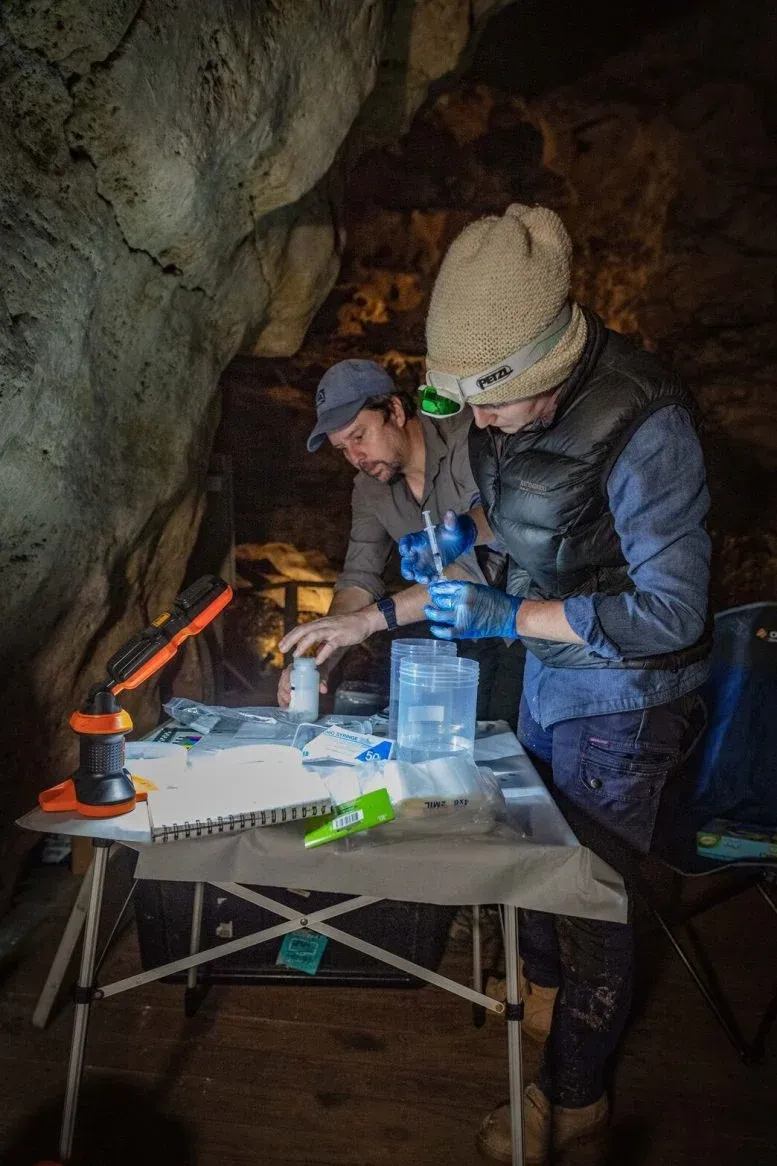
Start Your News DetoxShe and her team used radiocarbon dating to track how skeletons collected and changed over decades and centuries in underwater caves. They then compared these to bones found in dry caves. They looked at many features, from how bones were spread out and their surface details, down to their chemical makeup and proteins.
The comparison showed that submerged caves can preserve bones very well. They keep their overall shape and tiny surface details.
At the same time, the water left unique chemical and biological evidence. This evidence was shaped by the light available and the organisms living in each part of the cave.
Near cave entrances where light reached, algae and aquatic plants grew in the water and sometimes directly on the bones. This left recognizable marks.
Deeper inside, in completely dark areas without sunlight or plant life, the bones remained mostly untouched.
Bones from dry caves showed different patterns. They lacked the water-related signs. Instead, they had damage from land bacteria and long grooves made by growing plant roots.
Recent Bones Help Explain Megafauna
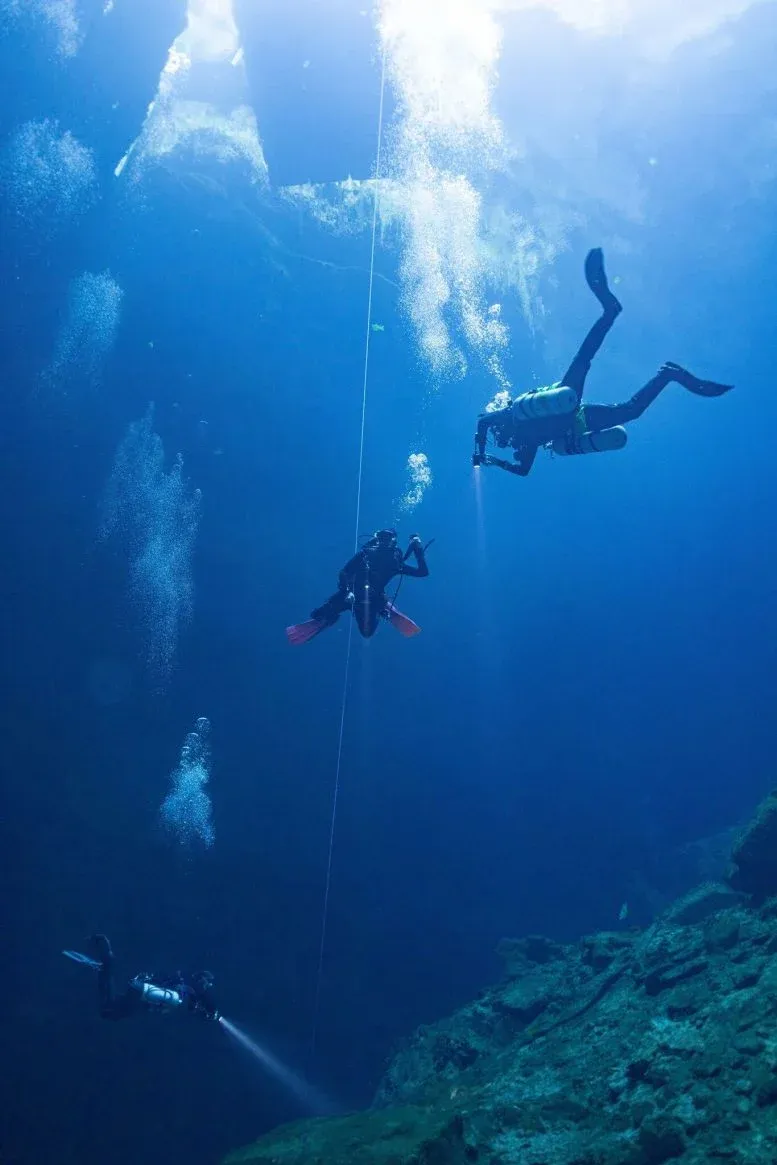
Walker and her team worked with specialist divers from the Cave Divers Association of Australia. They collected animal remains from Green Waterhole and Gouldens Sinkhole near Mount Gambier in South Australia.
The collection included native animals like kangaroos, emus, dingoes, possums, quolls, and swamp rats. It also had introduced species such as cows, sheep, pigs, and rabbits. Some of these remains might be from the first European settlement in the 1840s.
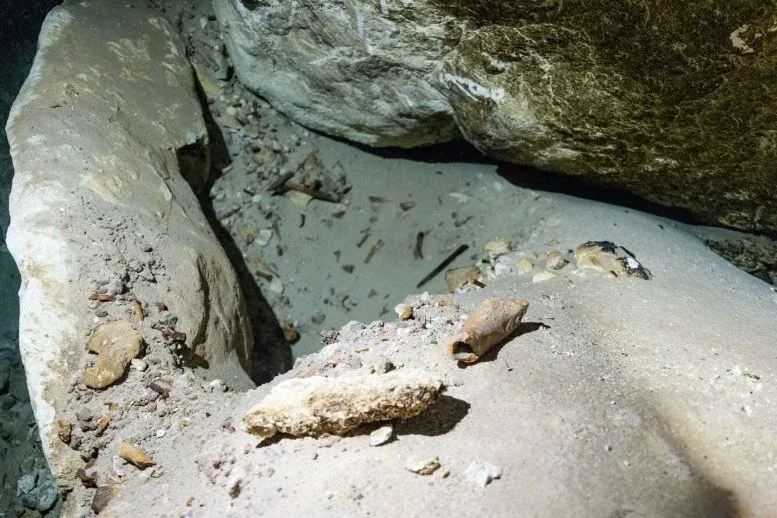
By understanding what happened to these more recent bones, the researchers hoped to learn how extinct megafauna remains ended up in the same underwater caves. They also wanted to know what environmental conditions helped preserve them.
This study provides the first way to understand how megafauna fossils formed, survived, and changed in underwater caves. This new tool will help archaeologists and paleontologists worldwide reconstruct past environments and histories in these challenging places.
Deep Dive & References
Neotaphonomic characteristics of vertebrate site formation in underwater caves - PLOS ONE, 2026