Turns out, some of Earth's tiniest residents are far more intrepid than we thought. Scientists now say certain fungi could hitch a ride to Mars and survive the whole ordeal. Because, apparently, even the most sterile environments can't keep a good spore down.
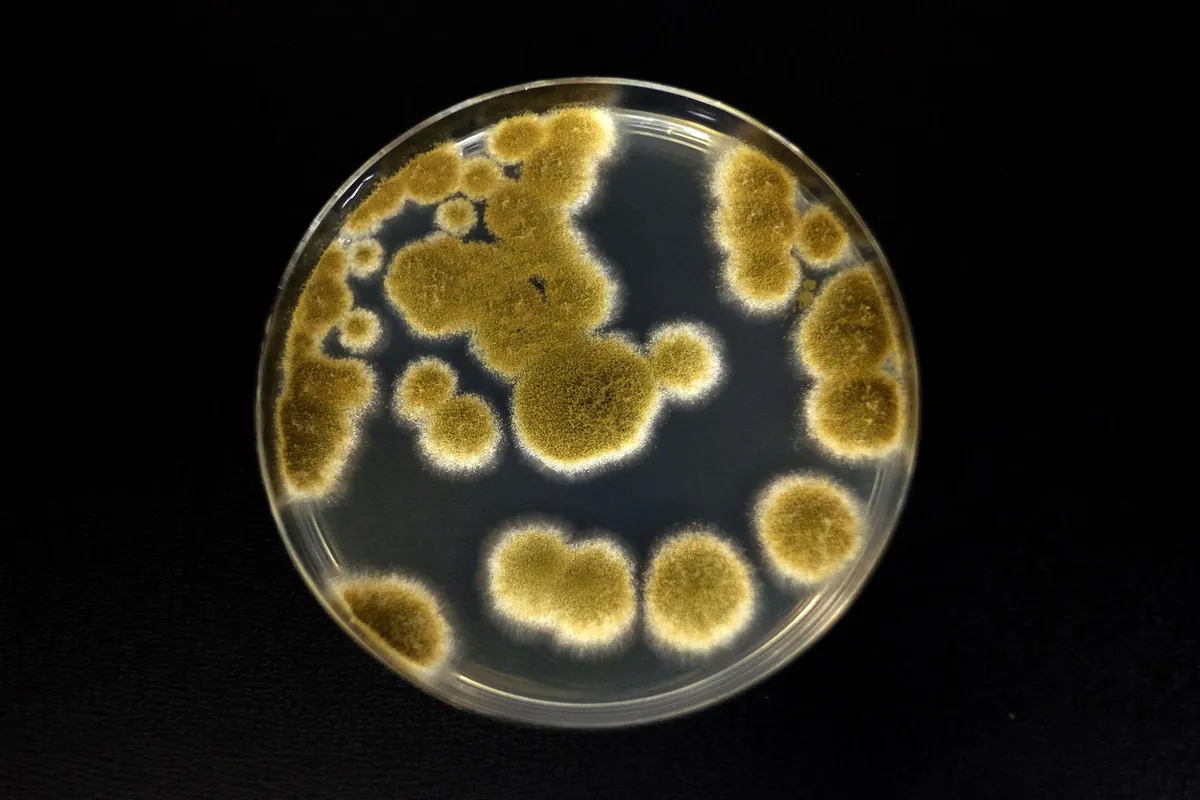
Fungi have always been the quiet overachievers of the microbial world, known for their resilience. But a new study in Applied and Environmental Microbiology put spores from Aspergillus calidoustus through a gauntlet of conditions mimicking space travel and the Martian surface. The verdict? These fungi, originally found chilling in NASA's ultra-controlled cleanrooms, are basically tiny, fuzzy astronauts.
The Unstoppable Spores
Kasthuri Venkateswaran, the microbiologist leading the charge, clarified that this isn't an immediate red alert for Martian contamination. Rather, it's a very helpful heads-up for planetary protection — the scientific effort to keep Earth's microbes from messing with the search for alien life. Venkateswaran, formerly a Senior Scientist at NASA's Jet Propulsion Laboratory, knows a thing or two about tenacious microorganisms. He noted they can be incredibly tough against environmental stress, which, if you think about it, is both impressive and slightly terrifying.
We're a new kind of news feed.
Regular news is designed to drain you. We're a non-profit built to restore you. Every story we publish is scored for impact, progress, and hope.
Start Your News DetoxFungal spores, often overshadowed by their bacterial cousins in planetary protection studies, are naturally built for the kind of extreme abuse space dishes out: dryness, radiation, and a distinct lack of snacks. All standard fare during a months-long spaceflight. This study is one of the first to show that complex cells, called eukaryotes, could potentially survive the entire mission lifecycle, from assembly in a cleanroom to actual operations on another planet.
Why "Clean" Isn't Always Clean
NASA cleanrooms are basically the VIP lounges of sterility on Earth. Air is filtered, surfaces are scrubbed, and staff follow rules so strict they'd make a germaphobe blush. Yet, some microbes don't just survive; they adapt. Over time, they become mini-superheroes, resistant to disinfectants, low moisture, and nutrient scarcity. These cleanroom survivors are critical for planetary protection. If a microbe can thrive in conditions designed to kill it, it's practically pre-qualified for the stresses of space. It's like sending someone to Mars who's already lived through a long layover in a desert, with no snacks, and terrible Wi-Fi.
Martian Bootcamp for Fungi
The research team put 27 fungal strains to the test, collected during the Mars 2020 mission (the one that sent the Perseverance rover). They also threw in a couple of radiation-resistant microbes, just for kicks.
The fungal spores endured a simulated Mars mission: extreme cold, blasts of ultraviolet and ionizing radiation, low air pressure, and a generous dusting of Martian regolith (that's the loose, dusty rock on Mars, for the uninitiated). These conditions mimic both the Martian surface and the vacuum of space during the journey.
A. calidoustus emerged as the undisputed champion, its spores shrugging off almost every challenge. Only a brutal combo of very low temperatures and high radiation finally took them out. Venkateswaran observed that microbial survival isn't about one superpower; it's about a whole arsenal of stress tolerance mechanisms. Which, honestly, sounds like a pretty good life lesson.
The takeaway? A. calidoustus could potentially survive spacecraft cleaning, the long haul through space, and then set up shop on Mars. This research is helping NASA fine-tune its planetary protection plans, ensuring our search for alien life isn't accidentally muddied by Earth's own incredibly persistent hitchhikers.