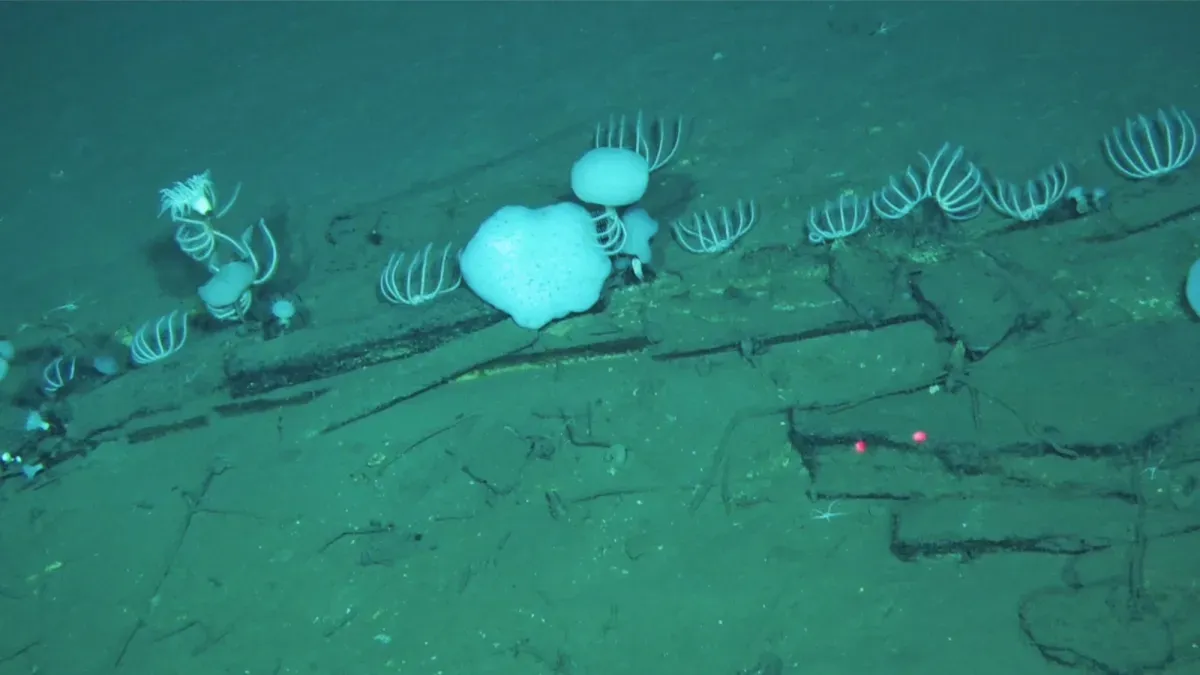
Imagine a buffet that lasts a century, feeding generations of creatures from the deep. Now imagine dozens of those buffets, all in one place, miles beneath the Pacific. That's essentially what scientists just stumbled upon: the largest known whale graveyard, teeming with life, much of it completely new to science.
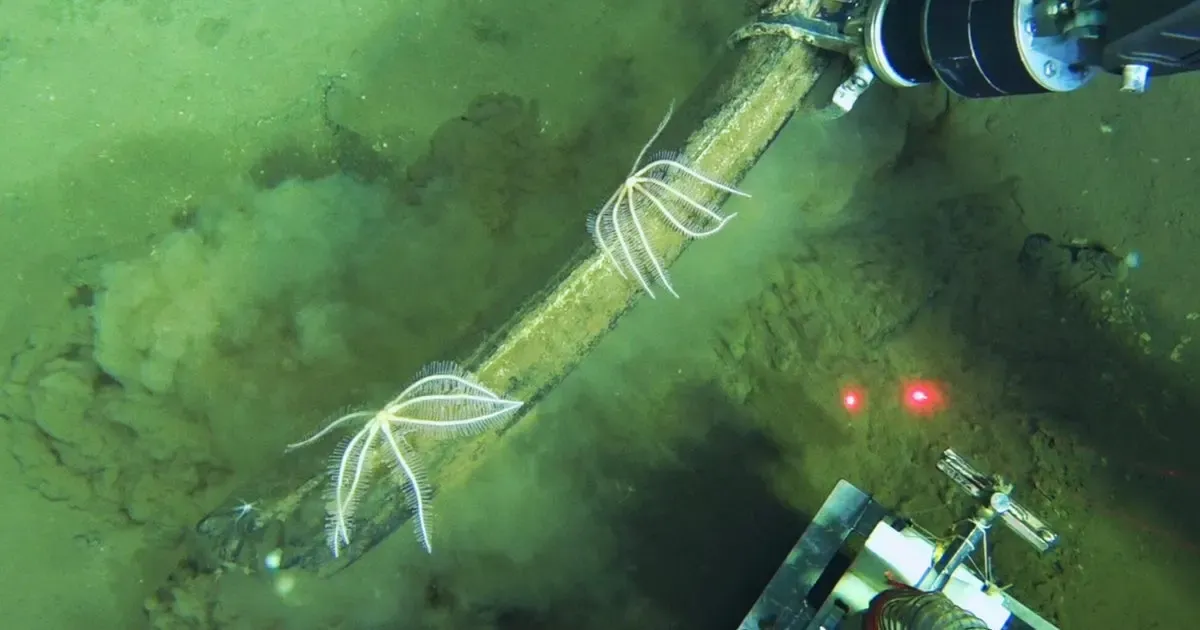
Deep-sea submersibles, those intrepid little capsules that brave the crushing darkness, were on a routine dive when their cameras picked up something unusual. Not one, not two, but dozens of whale carcasses, scattered across the seafloor. It's the kind of discovery that makes you wonder what else is down there, just waiting for a spotlight.
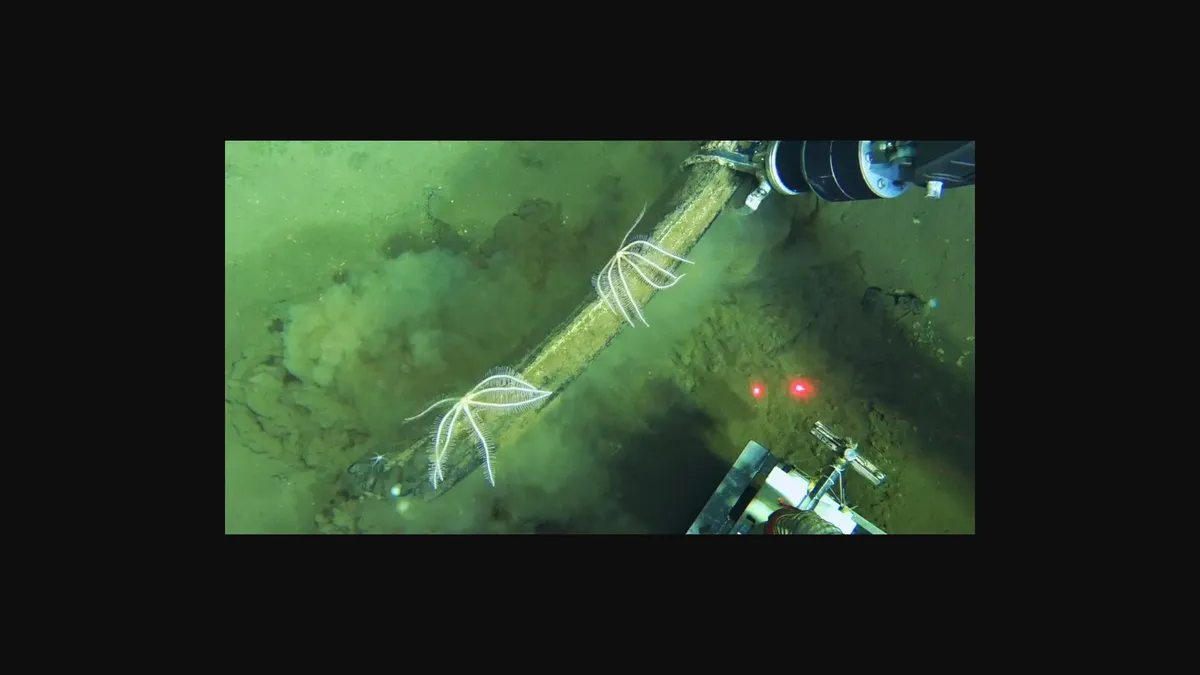
The Deep Sea's Most Exclusive Diner
Whale falls are already a biological marvel. When a whale dies and sinks, it becomes an enormous, nutrient-rich island in an otherwise barren deep ocean. This isn't just a quick snack; it's a multi-stage feast that can sustain entire ecosystems for 50 to 100 years. First come the mobile scavengers, stripping the soft tissue. Then, more specialized organisms move in, munching on collagen. Finally, chemosynthetic bacteria get to work on the bones, breaking down fats and creating energy without a lick of sunlight.
We're a new kind of news feed.
Regular news is designed to drain you. We're a non-profit built to restore you. Every story we publish is scored for impact, progress, and hope.
Start Your News DetoxIt's like a meticulously planned, century-long dinner party, with new guests arriving as the menu changes. And at this newly discovered graveyard, researchers spotted what they believe are entirely new species, happily partaking in the smorgasbord. Finding so many of these 'dinner parties' in one spot is incredibly rare; usually, they're isolated discoveries, like finding a single, very large, very dead, lottery ticket.
A Graveyard That Gives Life
The deep sea is, to put it mildly, food-scarce. Organic material from the surface rarely makes it down to the abyssal depths. So, a single whale carcass delivering thousands of kilograms of organic carbon is like winning the deep-sea lottery. It’s a huge, sudden burst of energy that would take decades to accumulate from the slow drift of 'marine snow'—the scientific term for organic dust bunnies falling from above.

What makes the final stage of decay truly fascinating are the chemosynthetic bacteria. These microscopic chefs use hydrogen sulfide (a byproduct of decaying bone fats) to cook up energy, much like the life found around hydrothermal vents. This process supports unique invertebrates, from worms to clams, all specifically adapted to this sunless, sulfur-fueled existence.
The fact that there are so many whale falls clustered together suggests these individual nutrient islands might actually be connected. Imagine a network of interconnected restaurants where creatures can migrate between tables, rather than being stuck on a single, isolated bone pile. It could turn this graveyard into a thriving, continuous habitat, which, if you think about it, is both impressive and slightly terrifying.
Scientists still have a lot of work to do. Identifying new species from video is just the appetizer; confirming them requires physical samples, detailed analysis, and genetic testing. And given the expense and complexity of deep-sea expeditions, it could be a while before we get the full picture of this incredible, life-sustaining boneyard. But for now, let's just appreciate the sheer audacity of life finding a way, even in the darkest, deepest corners of our planet.