New research is shedding light on the adult lives of kōkopu, a type of whitebait. These fish can live for 10 years or more. Whitebait is a general term for the young of six different freshwater fish species.
Kōkopu are nocturnal, territorial, and competitive. They have not been studied as much as īnanga, which make up most of the whitebait caught.
Uncovering Adult Kōkopu Life
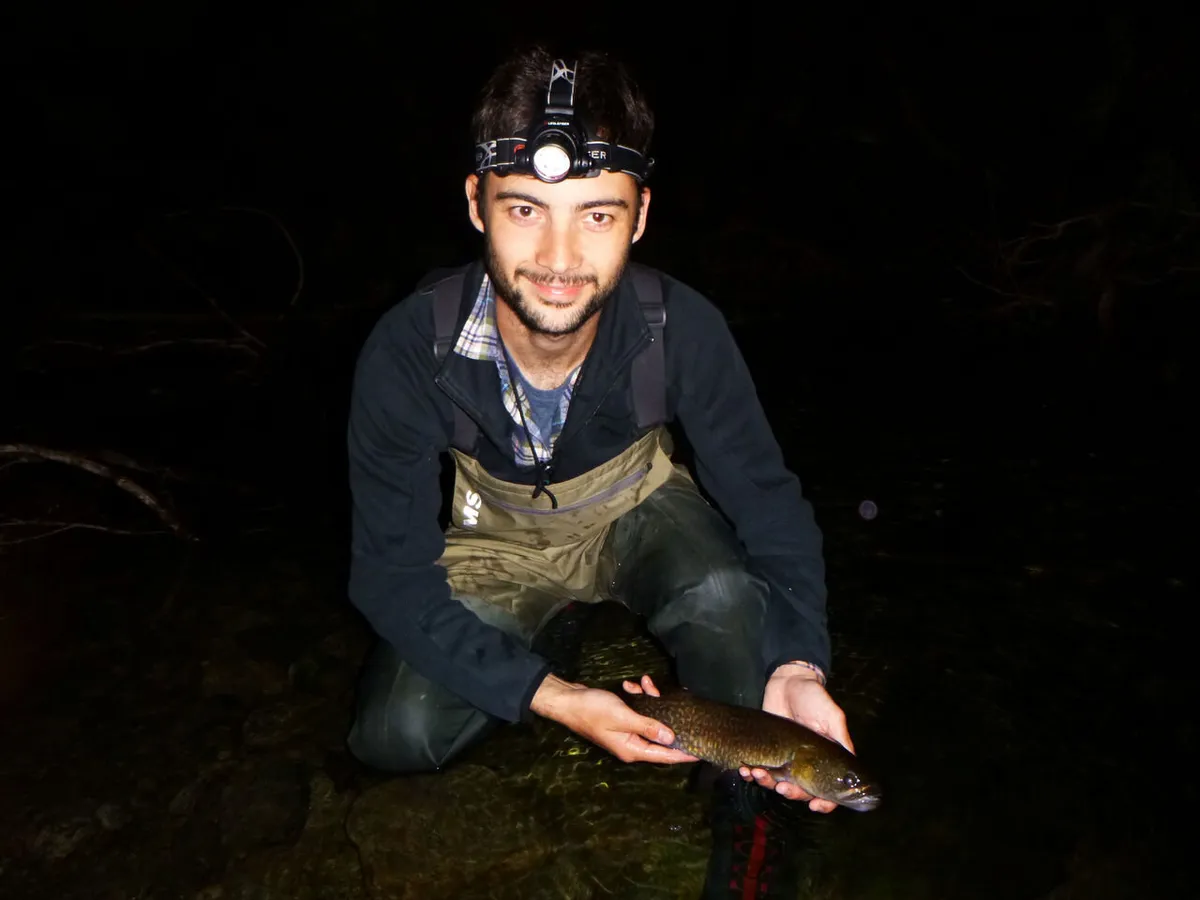
Dr. Ben Crichton from the University of Canterbury spent two years studying West Coast streams in New Zealand. He worked after dark, counting, catching, and tagging fish. This helped him understand their survival, growth, and population patterns.
We're a new kind of news feed.
Regular news is designed to drain you. We're a non-profit built to restore you. Every story we publish is scored for impact, progress, and hope.
Start Your News Detox"The whitebait stage is only one part of the life cycle," Dr. Crichton explained. "We wanted to know what happens after young fish move upstream." He also wanted to see how the number of young fish and their habitat affect adult populations.
The study compared streams where whitebaiting was allowed with streams where it was not. The research showed that streams closed to fishing had more young fish moving upstream. However, the number of adult fish was similar in both types of streams.
Dr. Crichton noted that even with more young fish in unfished streams, adult kōkopu populations were often at their habitat's limit. This means that having good adult habitat is just as important as having many young fish arrive each year.
Why This Matters for Management
Professor Angus McIntosh from the University of Canterbury said this work offers rare insights into a fish species many New Zealanders have never seen. He believes most people who eat whitebait would be surprised to learn they could be eating six different species. Some of these tiny young fish can grow into large adult kōkopu, reaching 30 or 40 centimeters long.
Dr. Crichton's research highlights that different whitebait species have different needs. Management plans should not focus only on one life stage.
Īnanga have a short life cycle, so their adult numbers depend heavily on young fish moving upstream each year. Kōkopu live longer and need fewer young fish to maintain their populations. All species need good habitats to survive, grow, and reproduce.
If management only focuses on the whitebait stage and ignores adult habitats upstream, young fish might swim into rivers that cannot support them.
Professor McIntosh added that managing whitebait is complex because the harvested species have different life cycles and habitat needs. What happens at the river mouth during fishing affects what happens upstream. Managing the fishery is important, especially for īnanga, but improving habitat for adult kōkopu is also crucial.
The researchers do not want to stop people from catching and eating whitebait. Instead, they want to encourage a better understanding of the adult fish.
"I think people should ask themselves, in the spirit of knowing what you're eating: What sort of fish could be in here? What do they turn into?" Professor McIntosh said. He emphasized that these often rare, long-lived fish are key to the whitebait harvest. He believes we owe it to the fish and to the New Zealand lifestyle to understand and manage them better.
Deep Dive & References
Fishing‐Induced Regulation of Diadromous Fish Subsidies in Stream Communities - Freshwater Biology, 2026