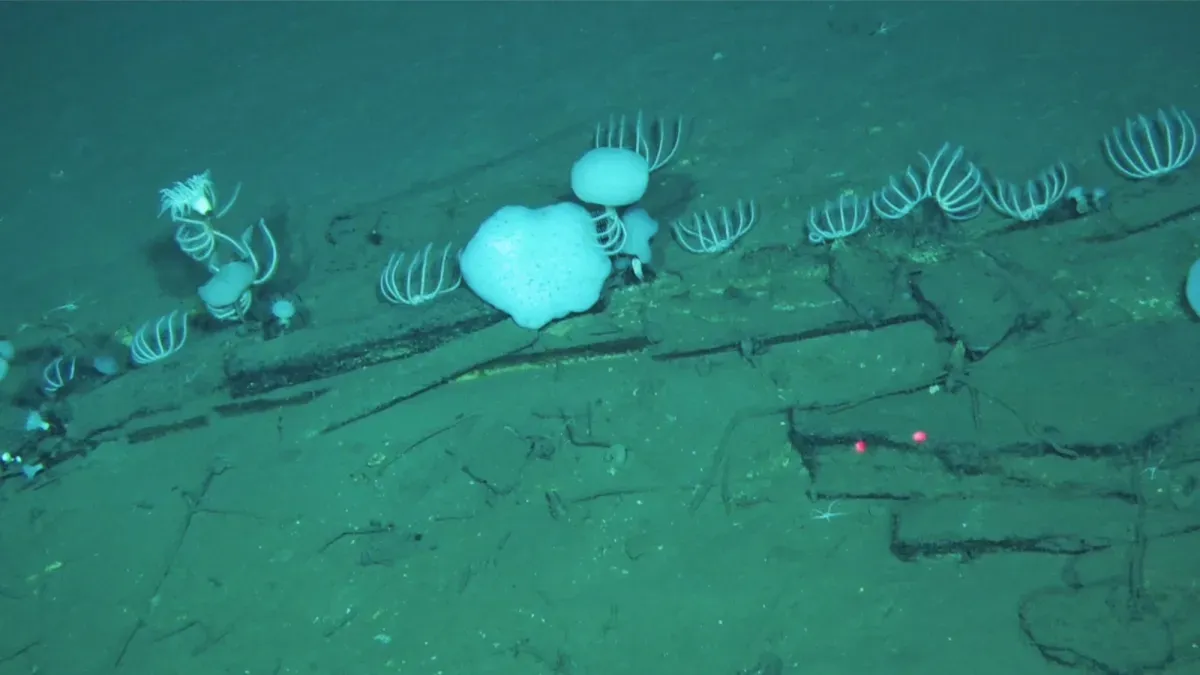
Imagine a secret garden, but instead of flowers, it's full of bones, and instead of sunshine, it's crushing darkness. That's essentially what scientists just found: a colossal whale graveyard stretching 745 miles across the bottom of the Indian Ocean. Because apparently, the deep sea isn't just for crushing solitude; it's also for the world's most dramatic final resting places.
When a whale shuffles off its immense mortal coil, it doesn't just float away. It sinks. And when it sinks, it becomes a "whale fall" — a sudden, nutrient-rich oasis in the otherwise barren deep. These carcasses transform into bustling apartment complexes for everything from jellyfish to bizarre bone-boring worms, sustaining entire ecosystems for centuries. And sometimes, those bones stick around for millions of years, telling tales of ancient aquatic life.
The Deep Sea's Most Exclusive Cemetery
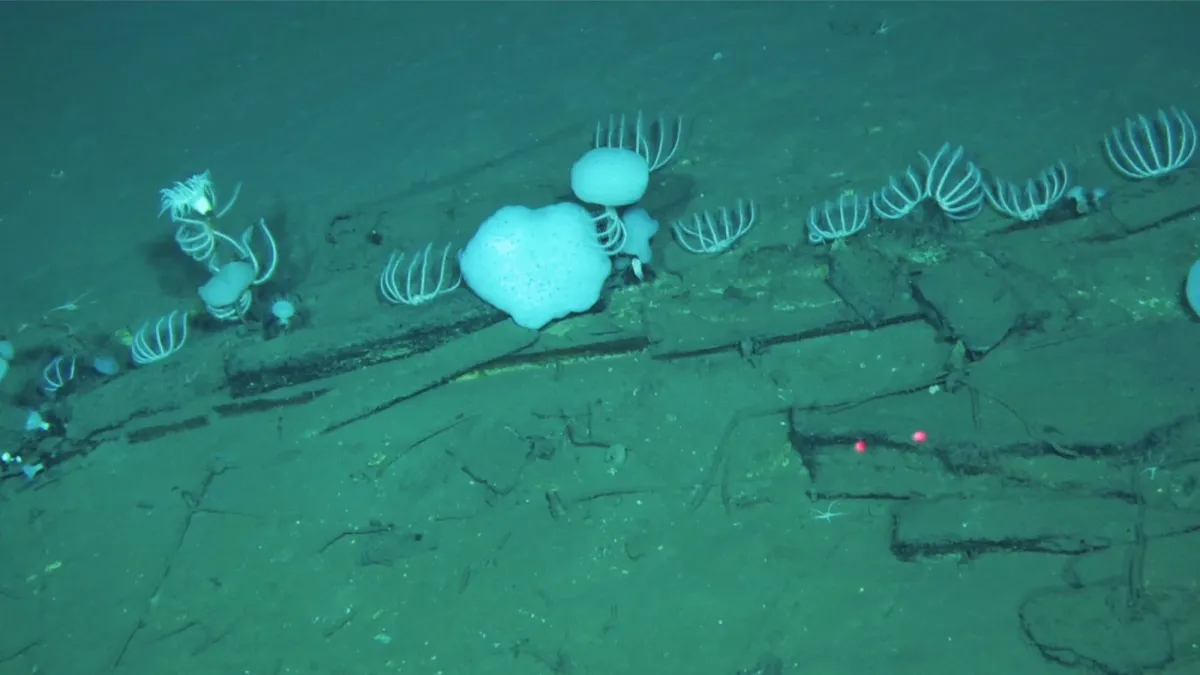
A team from the Chinese Academy of Sciences (CAS) wasn't even looking for a whale necropolis. They were exploring the hadal zone, the deepest part of the ocean, in a submersible in 2023. At a mind-boggling 22,972 feet below the surface, they spotted the first fossil. Dr. Peng Zhou, a geologist on the team, said the remains were "quite easy to find" once they started looking. Which, if you think about it, is both impressive and slightly terrifying.
We're a new kind of news feed.
Regular news is designed to drain you. We're a non-profit built to restore you. Every story we publish is scored for impact, progress, and hope.
Start Your News DetoxThey quickly pivoted, mapping and documenting 485 whale fossil sites. These sites, some of which date back 5.3 million years to the Pliocene era, are home to a vibrant community of creatures, some of which might even be entirely new to science. It’s a literal historical record, preserved under miles of water, showing how deep-sea life adapted and evolved.
Most of the bones belong to beaked whales, those reclusive, deep-diving enigmas that are notoriously difficult to study in their living form. This discovery includes Pterocetus diamantinae, a brand new species of extinct whale, chilling out alongside the bones of beaked whales still swimming today. Imagine finding your great-great-great-great-grandparent next to your modern cousin, all in one place, just a little more fossilized.
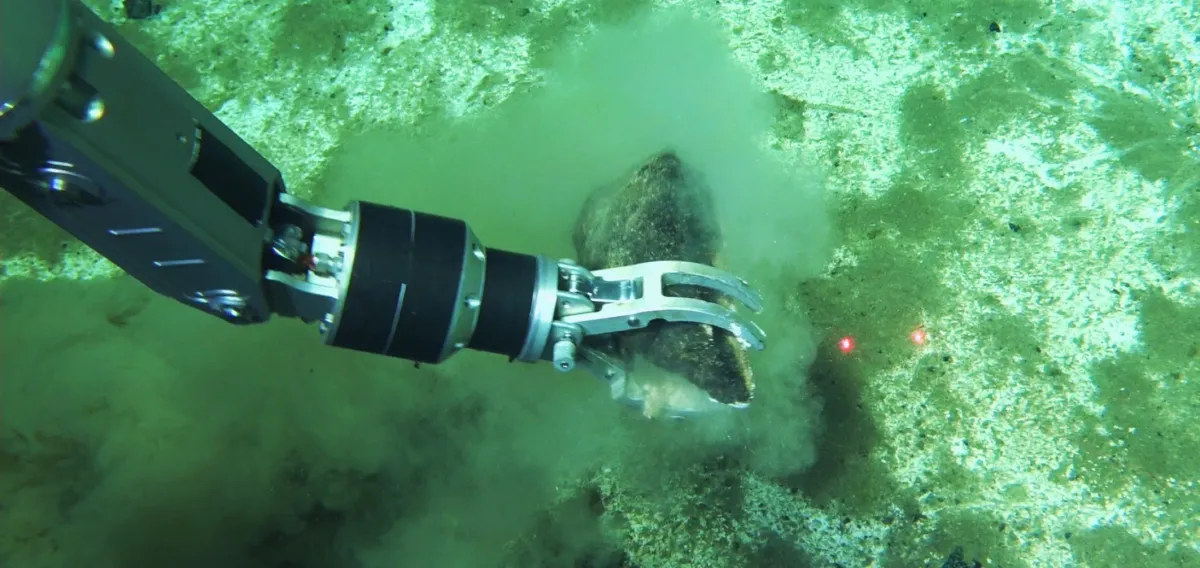
Dr. Xikun Song, a biologist, noted that these fossils offer a direct window into the Pliocene era, showing that beaked whales were already specialized deep-divers back then. This massive boneyard isn't just a curiosity; it's a treasure trove that could rewrite what we know about these mysterious creatures and the ecosystems of the deepest ocean. It’s a testament to what a little curiosity, a lot of teamwork, and some seriously cool technology can uncover. And frankly, it makes your local cemetery look a bit… pedestrian.