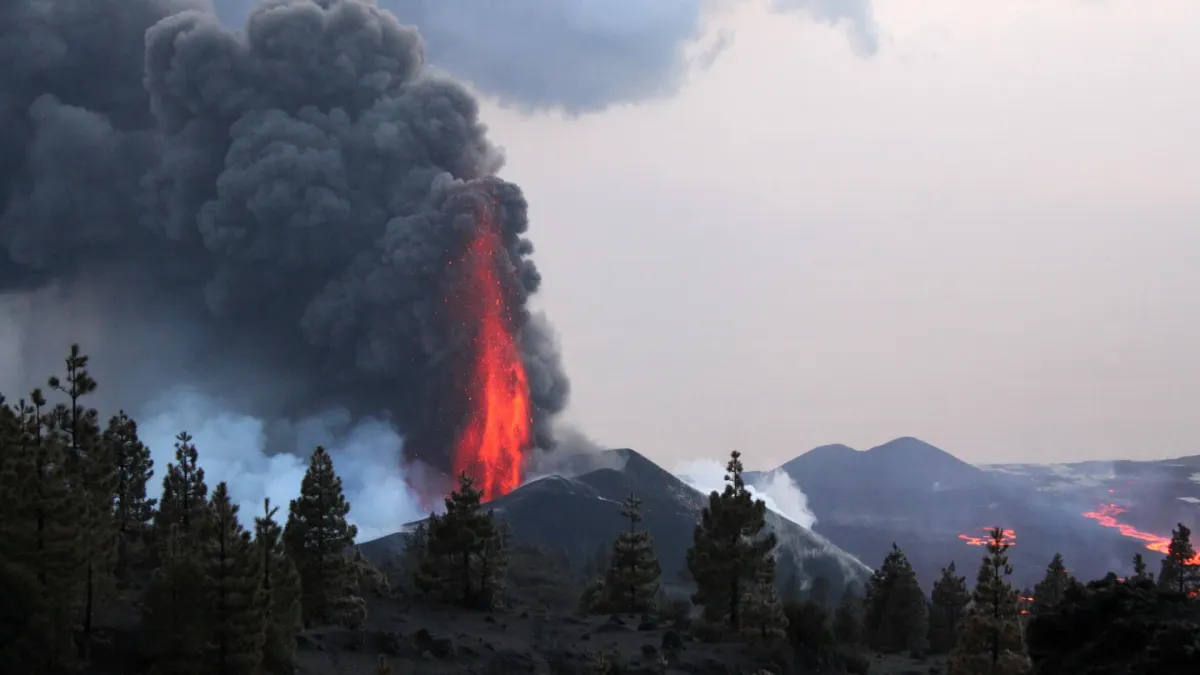
Turns out, magma can get superheated. And when it does, it basically pulls a disappearing act on its own internal crystals, staying fluid for hours longer than it should. This isn't just a fun fact for your next dinner party; it's a game-changer for understanding why some volcanoes put on a spectacular lava fountain show, while others just kind of... burp out a slow, oozing flow.
Scientists figured this out by studying magma from the 2021 Tajogaite eruption on La Palma. Because apparently, even molten rock has secrets it's only now ready to spill.
The Secret Life of Magma Crystals
When magma gets really hot, it doesn't just melt existing crystals; it vaporizes the tiny "seeds" that new ones need to grow. Think of it like trying to bake a cake without any flour. It's just not happening.
We're a new kind of news feed.
Regular news is designed to drain you. We're a non-profit built to restore you. Every story we publish is scored for impact, progress, and hope.
Start Your News DetoxThis superheating also makes the magma's internal structure more uniform, which further discourages any new crystal formation. These changes directly impact how quickly magma shoots up to the surface and how easily volcanic gases can escape. And that's what ultimately decides if you get a towering lava fountain or a more chill, effusive eruption.
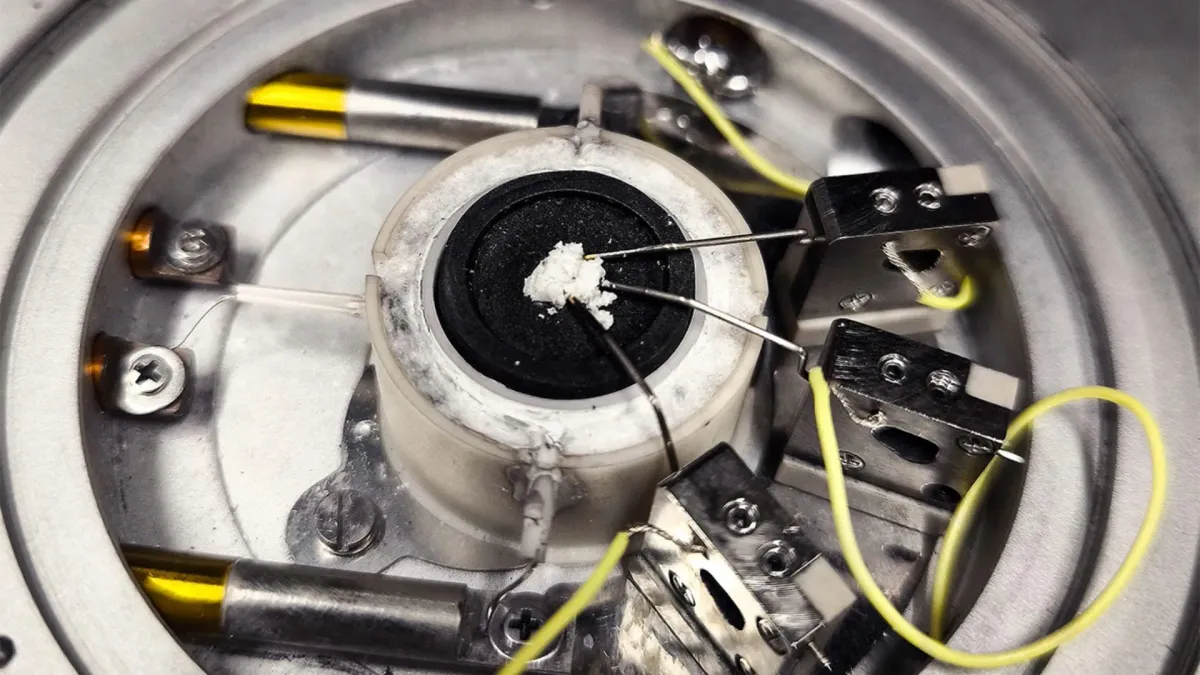
Dr. Barbara Bonechi, one of the lead authors from The University of Manchester, explained that crystal and bubble growth are the puppet masters of eruptions. More crystals mean thicker magma. And until now, how crystals behaved in superheated magma was a bit of a mystery. They had to invent a new X-ray transparent pressure vessel and use synchrotron X-ray microtomography just to watch the magic happen in real time. Because apparently, that's where we are now.
To recreate these conditions, researchers used actual magma from the Tajogaite eruption. They then put it under intense heat and pressure, essentially giving it a volcanic spa treatment.
Eight Hours of Crystallization Delay
The results were pretty stark: regular magma started forming crystals in about 20 minutes. But the superheated stuff? It just hung out, crystal-free, for over eight hours. Let that satisfying number sink in.
They then plugged these findings into computer models, simulating magma's journey through the Earth's crust. The models showed that this extended crystal-free period keeps magma fluid, allowing it to rocket upwards quickly, leading to those dramatic lava fountains.
If crystals form earlier, the magma thickens, rises slowly, and gives gases more time to escape. Cue the gentler, oozing eruption. So, it turns out, a volcano's heat history and how its internal crystals behave are far more important than we thought.
Dr. Margherita Polacci, another co-author from The University of Manchester, noted that current hazard models mostly focus on chemistry, gas, and pressure. This new insight means we might need to add "magma's internal drama" to the hazard assessment checklist. Which, if you think about it, is both impressive and slightly terrifying.