A long-overlooked organ may hold surprising clues to healthy aging and cancer survival. Researchers at Mass General Brigham used AI to analyze CT scans from tens of thousands of adults. They found that people with healthier thymuses lived longer and had substantially lower risks of heart disease, cancer, and death.
The thymus is a small immune-system organ. It was once thought to become largely irrelevant after childhood.
The Thymus: More Important Than We Thought
Researchers at Mass General Brigham found that the thymus may play a major role in adult health. Two new studies show that adults with healthier thymuses lived longer. They were also less likely to develop serious diseases. The research also suggests that thymic health might affect how well cancer patients respond to immunotherapy.
We're a new kind of news feed.
Regular news is designed to drain you. We're a non-profit built to restore you. Every story we publish is scored for impact, progress, and hope.
Start Your News DetoxThese findings challenge old assumptions about the thymus. They indicate the organ remains important throughout adulthood. This could help guide disease prevention and cancer treatment.
Hugo Aerts, director of the Artificial Intelligence in Medicine (AIM) Program at Mass General Brigham, noted the thymus has been overlooked for decades. He believes it might explain why people age differently and why some cancer treatments fail. Aerts said the findings suggest thymic health deserves more attention. It could open new ways to protect the immune system as we age.
How the Thymus Works
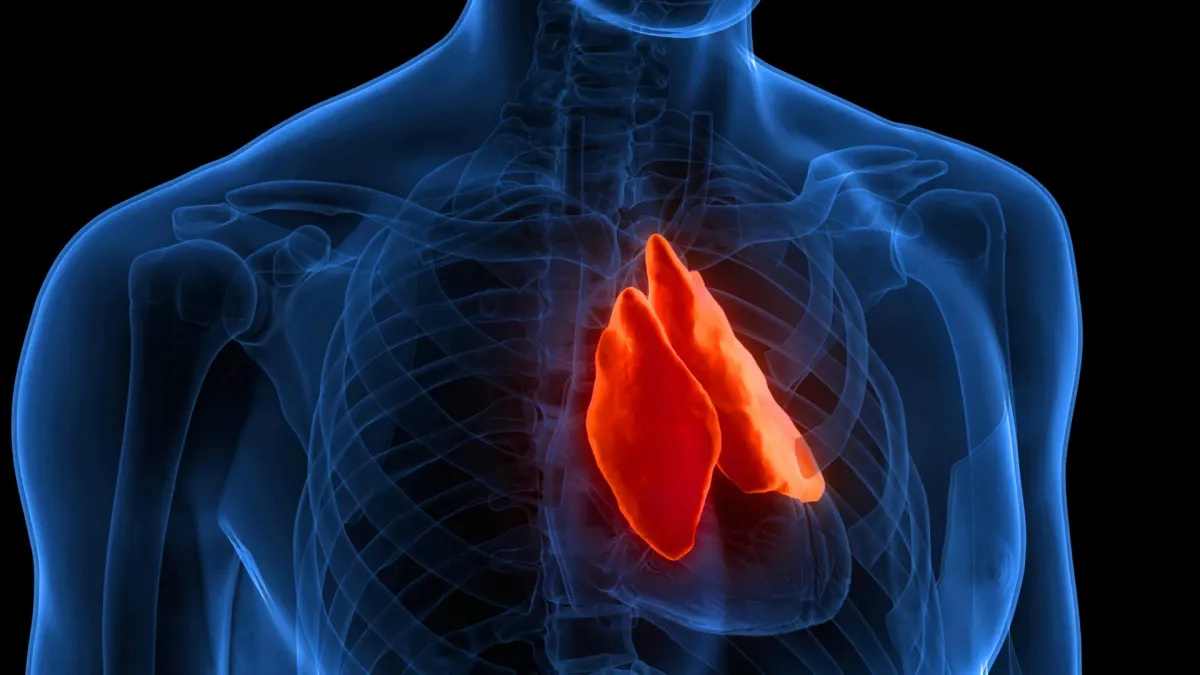
The thymus is in the chest. It helps train T cells, which are immune cells that fight infections and diseases. After puberty, the organ shrinks and makes fewer new T cells. Because of this, many scientists thought it had a limited role in adult health.
Past research linked T cell diversity to aging and weaker immune function. However, these studies were small and used blood samples.
The new research looked at data from over 25,000 adults in a lung cancer screening trial. It also included over 2,500 people from the Framingham Heart Study. This study tracks the health of generally healthy adults.
AI Links Thymus to Longer Life and Lower Disease Risk
Researchers used AI to look at routine CT scans. They measured the thymus's size, structure, and makeup. From these measurements, they created a "thymic health" score.
People with higher thymic health scores had much better outcomes. They had about a 50% lower risk of death from any cause. They also had a 63% lower risk of death from heart disease. Their risk of developing lung cancer was 36% lower. These links stayed strong even after considering age and other health factors.
The researchers think that poor thymic health might reduce T cell diversity. This could make it harder for the immune system to fight new threats like cancer.
Their analysis also found factors linked to poorer thymic health. These included chronic inflammation, smoking, and higher body weight. This suggests that lifestyle and ongoing inflammation might weaken the immune system over time.
Thymus Health and Cancer Treatment
In another study, the team looked at CT scans and outcomes from over 1,200 cancer patients. These patients were treated with immunotherapy.
The results showed that patients with healthier thymuses responded better to treatment. They had about a 37% lower risk of cancer getting worse. They also had a 44% lower risk of death. This was true even after adjusting for differences in patients, tumors, and treatments.
These findings show the thymus plays an important role in how well modern cancer immunotherapies work. This role was not fully recognized before.
Next Steps in Research
Scientists say more studies are needed to confirm these results. The imaging technique used to measure thymic health is not yet ready for regular use in clinics.
The studies found links between lifestyle and thymic health. However, they did not check if changing these factors can directly improve thymus function.
The research team is still looking into other things that affect thymic health. One study is checking if accidental radiation exposure to the thymus during lung cancer treatment affects patient outcomes.
Aerts believes that better understanding and monitoring of thymic health could help doctors. It could help them assess disease risk and guide treatment decisions.
Deep Dive & References
- Thymic health consequences in adults - Nature, 2026
- Thymic health and immunotherapy outcomes in patients with cancer - Nature, 2026