Today, it seems the universe decided to reveal a few more of its secrets, while back on Earth, we were busy making things a little bit better, one discovery and one smart policy at a time. From the almost impossibly tiny to the truly cosmic, researchers were busy pulling back the curtain on how things really work.
The Quantum Realm and Beyond: The Universe is a Strange Place
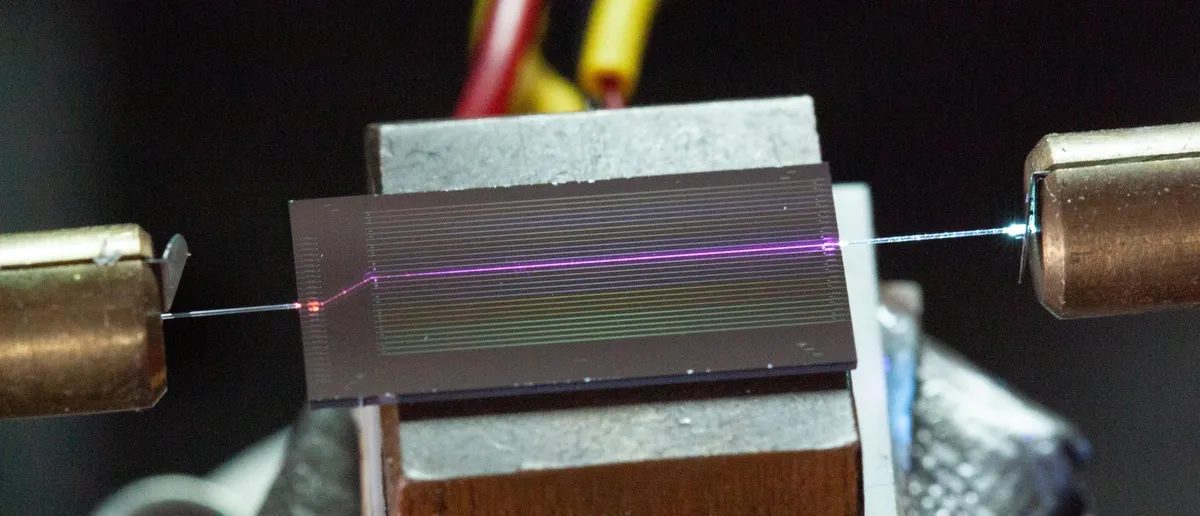
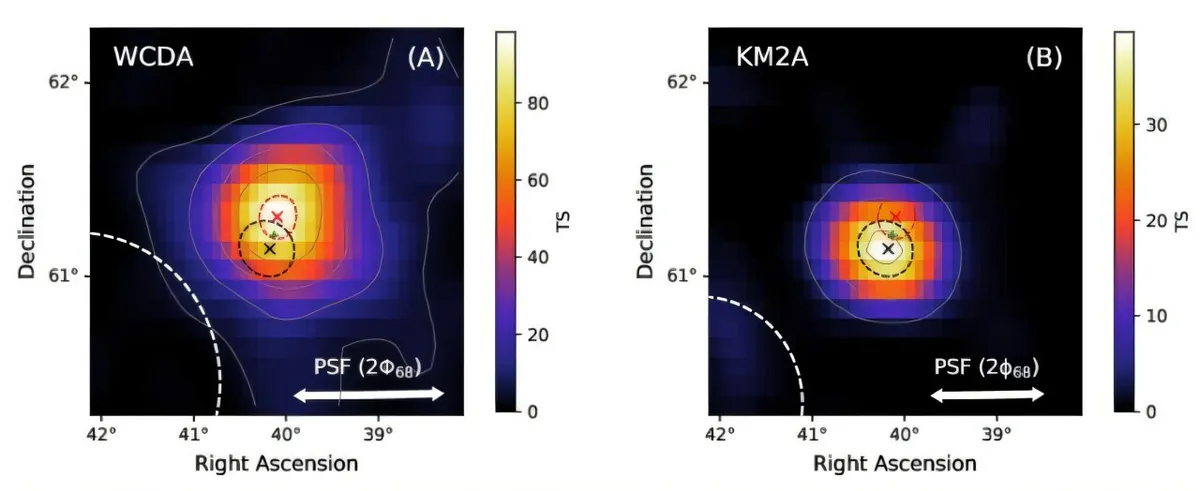
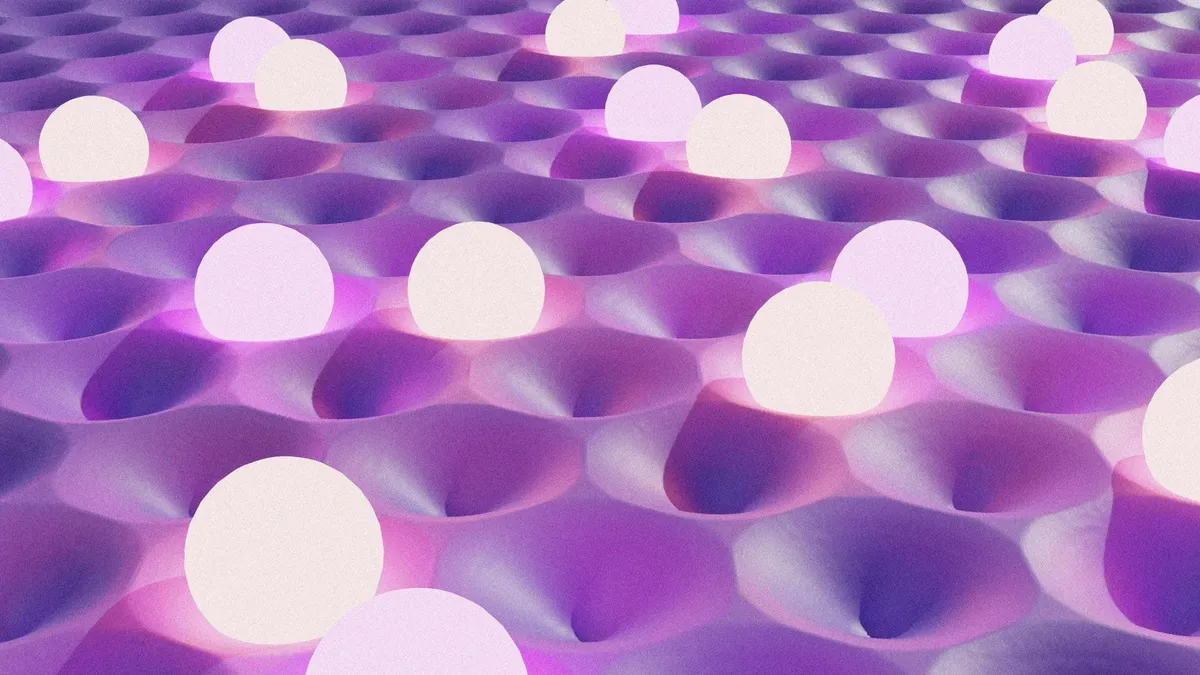
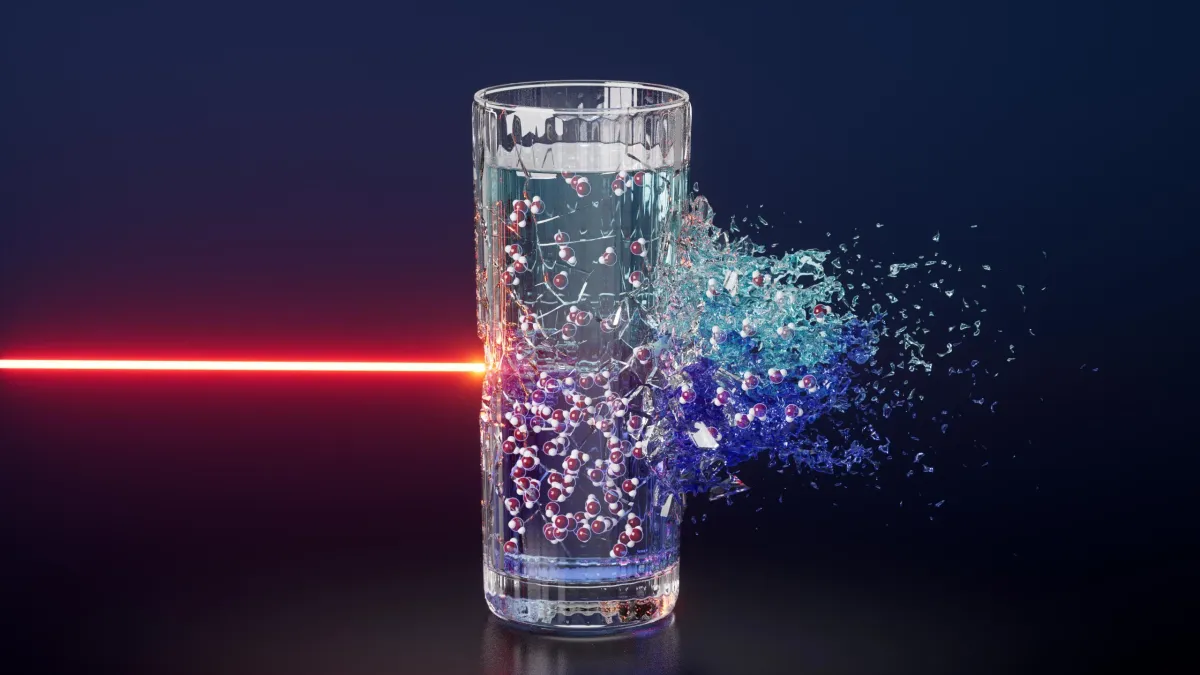
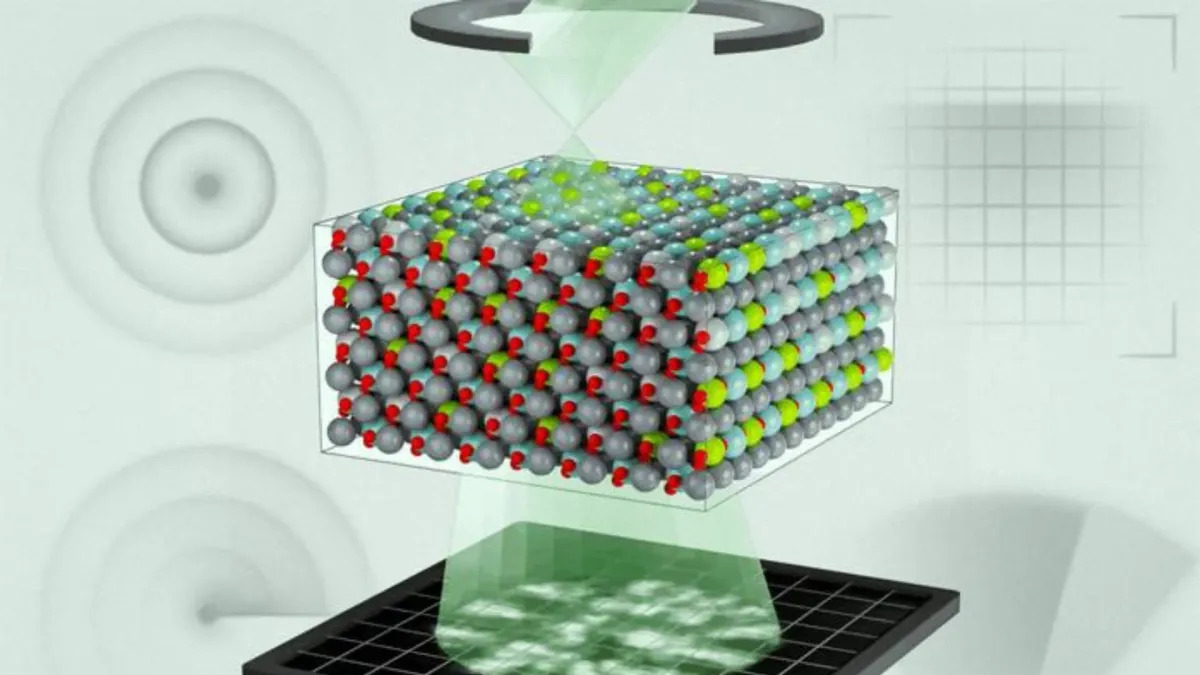
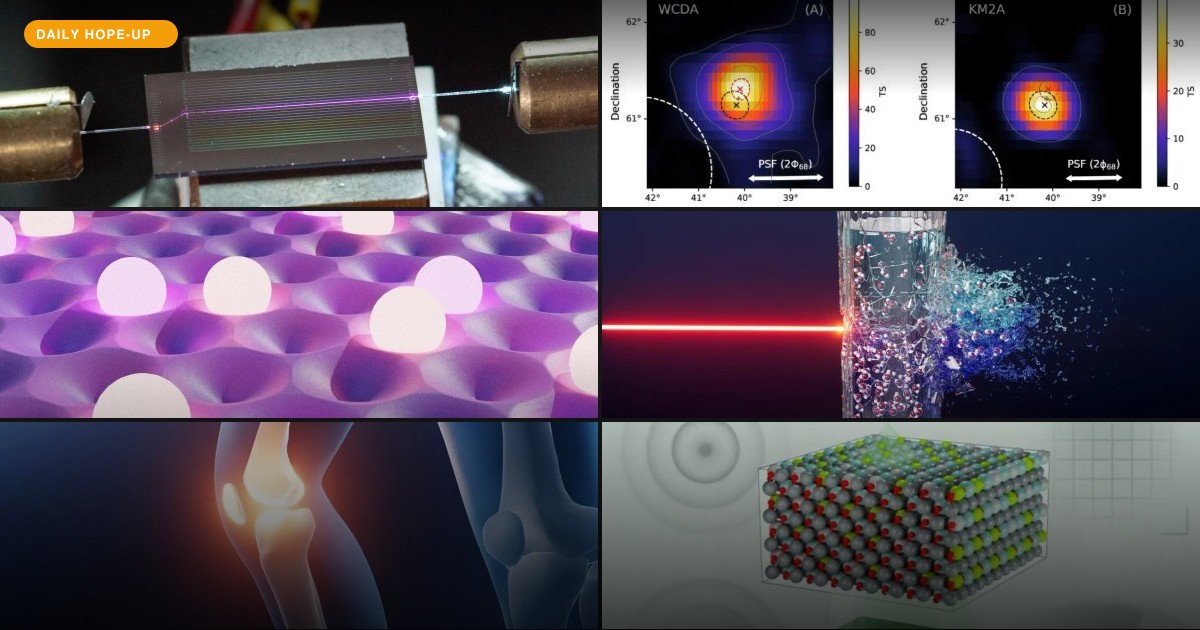
Forget what you thought you knew about physics. This week, scientists were busy making the universe a much stranger, and far more interesting, place. First, a team at Harvard managed to shrink powerful UV light onto a microchip, essentially putting a sunbeam in your pocket. This isn't just a neat trick; it's a leap toward compact sterilization, advanced sensing, and perhaps even next-gen data storage. Meanwhile, halfway across the globe, the Large High Altitude Air Shower Observatory (LHAASO) detected a cosmic particle accelerator that shouldn't exist, spewing gamma rays with energies exceeding 100 trillion electron-volts from a binary star system. Just when we thought we had a handle on cosmic mechanics, the universe reminds us it's always got a few surprises up its sleeve. And then, back down to Earth, scientists watched electrons do a quantum tango that could completely reshape our understanding of superconductivity. This isn't just abstract science; these breakthroughs are the foundational pieces for technologies that could change everything from how we power our homes to how we explore space.
"The coral had been declared dead in 2019. Five years later, it's not just alive — it's spawning." — Read the full story
Wait—What is Brightcast?We're a new kind of news feed.
Regular news is designed to drain you. We're a non-profit built to restore you. Every story we publish is scored for impact, progress, and hope.
Start Your News Detox
Health Hacks and Hidden Maps: Our Bodies, Decoded
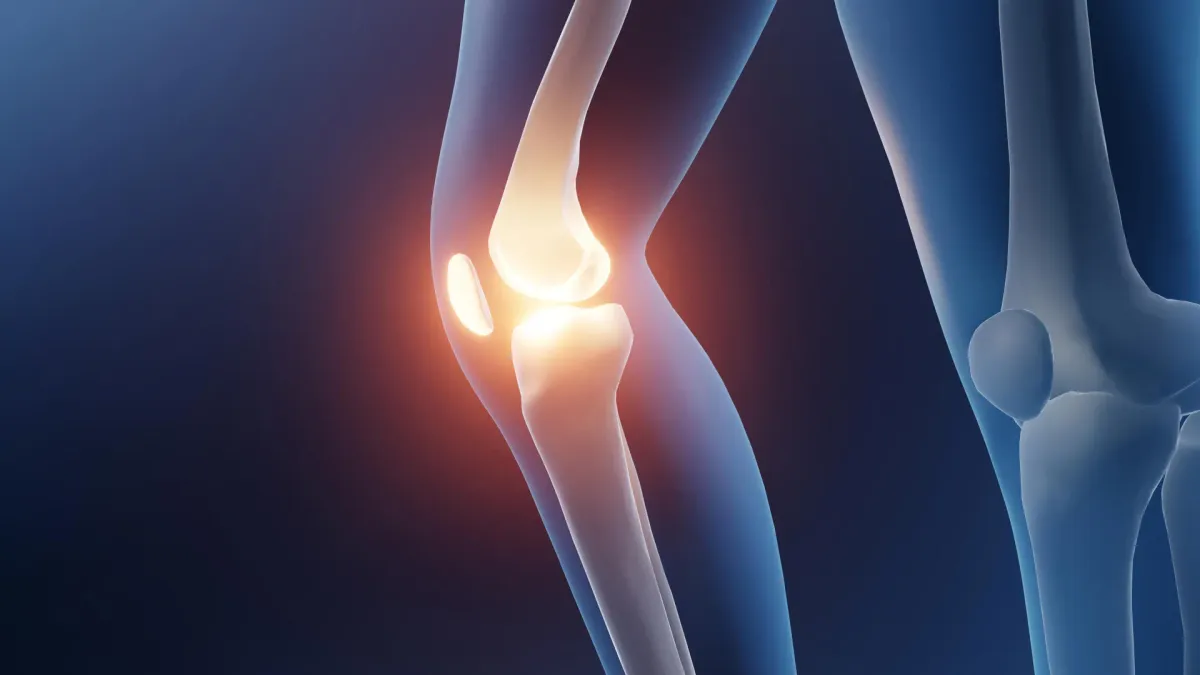
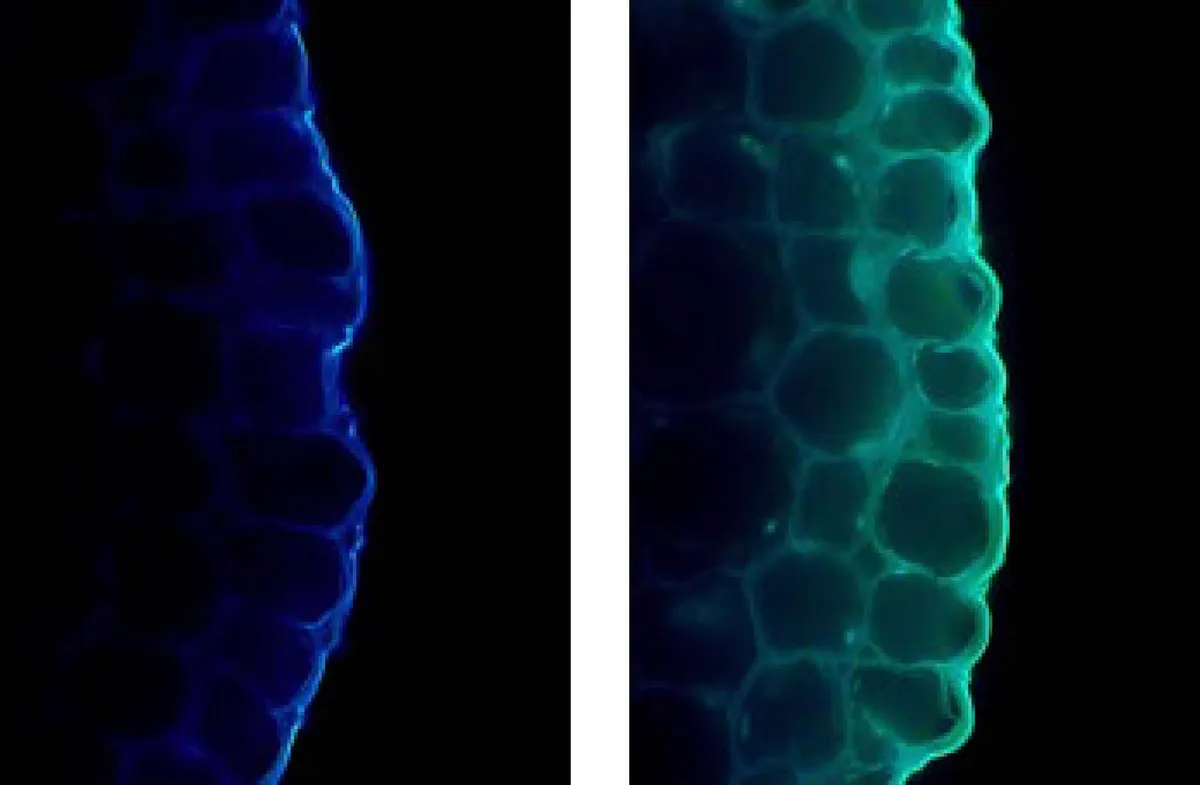
It was a good week for understanding the human body, from the inside out. For anyone suffering from aching joints, a new study just crowned aerobic exercise the king of knee pain relief, definitively showing that walking, cycling, or swimming outperformed other options. Good news for those who prefer a more rhythmic approach to fitness: your workout playlist could boost endurance by 20%, proving that sometimes, the best performance enhancer is just a good beat. And in a truly fascinating discovery, scientists found a secret map in your nose that could bring back the sense of smell for those who've lost it. It turns out our olfactory receptors aren't random; they're neatly arranged in stripes, offering a blueprint for future treatments. These aren't just incremental improvements; they're genuine leaps in how we understand and care for ourselves, offering practical solutions for immediate well-being.
Smart Systems, Better Futures: Policy and Tech Paving the Way
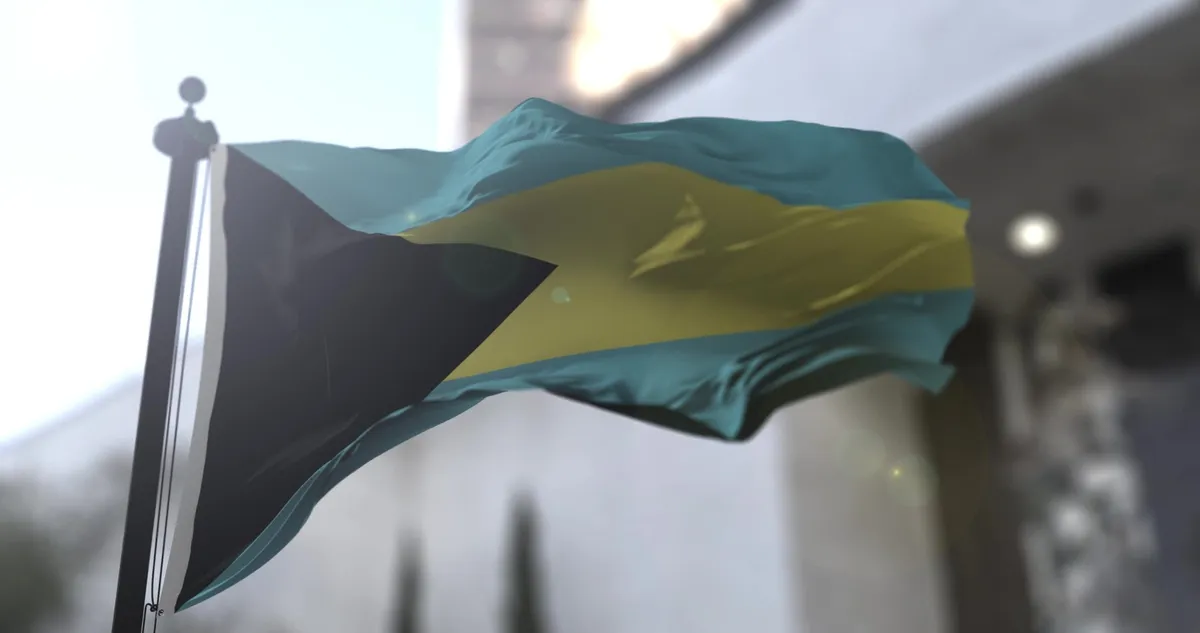
Sometimes, making things better doesn't require a quantum leap, just a smarter approach. In Chicago, a brilliant move made library cards disappear, giving every student one by turning their school IDs into library access. This simple policy, following a successful pilot, has already seen library use climb significantly among disadvantaged students. Meanwhile, in a real-world test, AI just outsmarted ER doctors in diagnosis, hinting at a future where technology supports — and perhaps even elevates — human expertise in critical fields. And on the global health front, The Bahamas just received certification for beating HIV transmission from moms to babies, joining a growing cohort of countries achieving this critical public health milestone. These stories demonstrate that combining smart policy with technological advancement can create tangible improvements in education, healthcare, and community well-being, showing that progress isn't always about invention, but often about implementation.
Hope stat: 12 — countries and territories in the Americas that have now eliminated mother-to-child HIV transmission.
Watch this space: The continued integration of AI into critical human services, and how it reshapes access and outcomes for everyone.