For years, paleontologists digging in China's Changma Basin kept finding bits and pieces of ancient birds. Over 100 sets of prehistoric bird remains, often just fragments. They looked like owl pellets, scattered and incomplete. The experts knew something was eating them, but the culprit remained a mystery. It was a cold case spanning 120 million years.
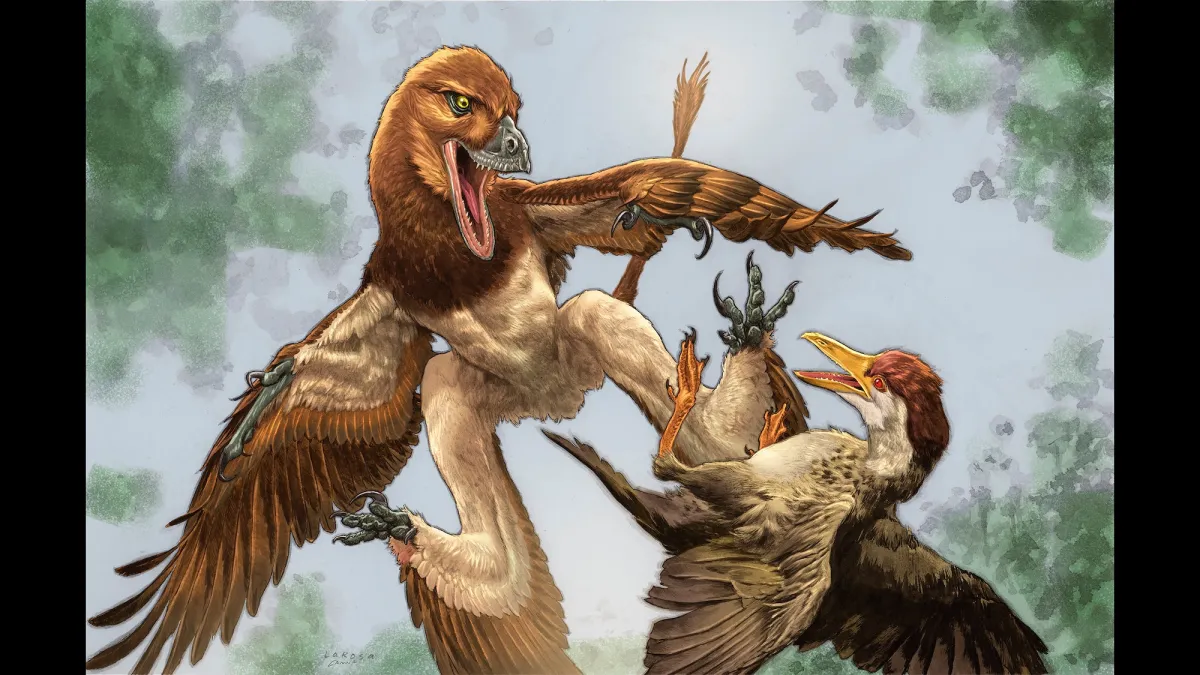
Now, the perp has been identified. And it's not who you'd expect. A recent study in the Annals of Carnegie Museum points the finger at Jian changmaensis, a distant cousin of the Velociraptor. This feathered dinosaur, about the size of a barn owl, lived in the Changma Basin and, apparently, had quite the appetite for its avian neighbors.
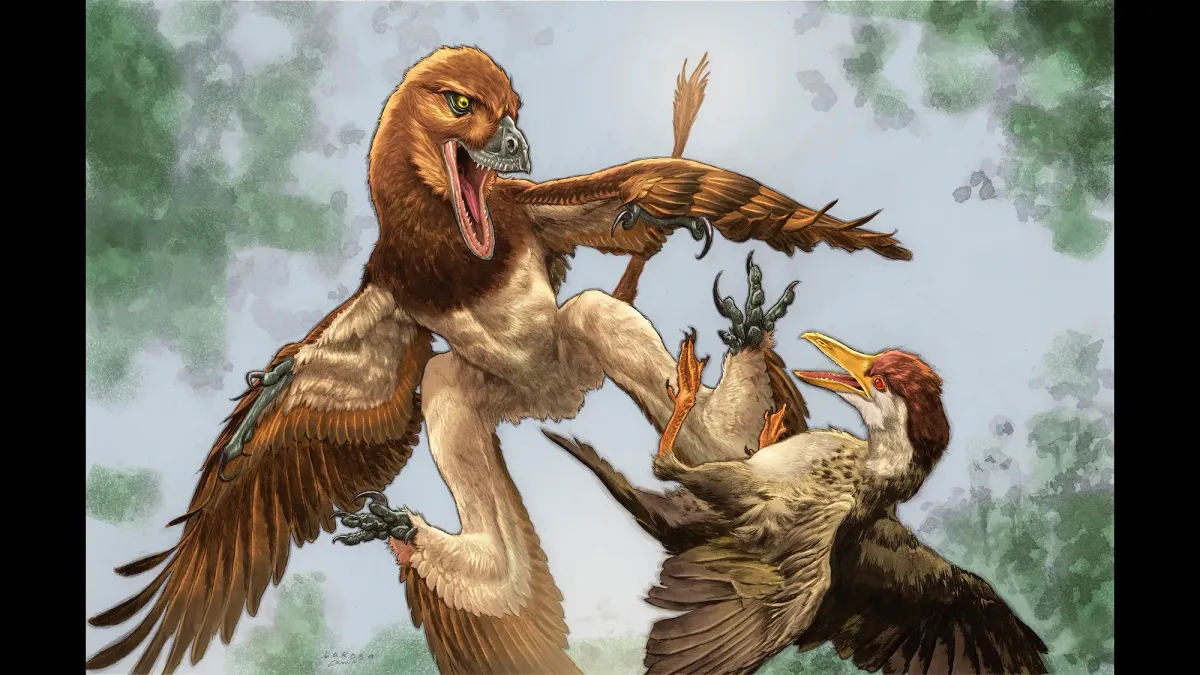
"It’s the only dinosaur found at this site that wasn’t a bird," explained Jingmai O’Connor, a study co-author and curator at the Field Museum. "It was a carnivore, and it was much bigger than everything else that we’ve found there." Translation: it was the biggest kid on the block, and the birds were on its menu.
We're a new kind of news feed.
Regular news is designed to drain you. We're a non-profit built to restore you. Every story we publish is scored for impact, progress, and hope.
Start Your News DetoxThe Gliding Menace
J. changmaensis is named after a winged creature from Chinese folklore, which feels appropriate given its unique anatomy. This dino was a microraptor, a group of generally small, fast, feathered predators. But Jian was a bit of a heavyweight, with an estimated four-foot wingspan. While only part of its upper arm has been found, scientists believe it sported not two, but four wings — one pair on its forearms, and smaller ones on its hind legs.
Think less falcon, more flying squirrel. Microraptors weren't capable of true, powered flight. Instead, they were expert gliders, swooping down from trees to snatch up their dinner. Which, in this case, often happened to be the very birds whose fragmented remains puzzled scientists for so long.
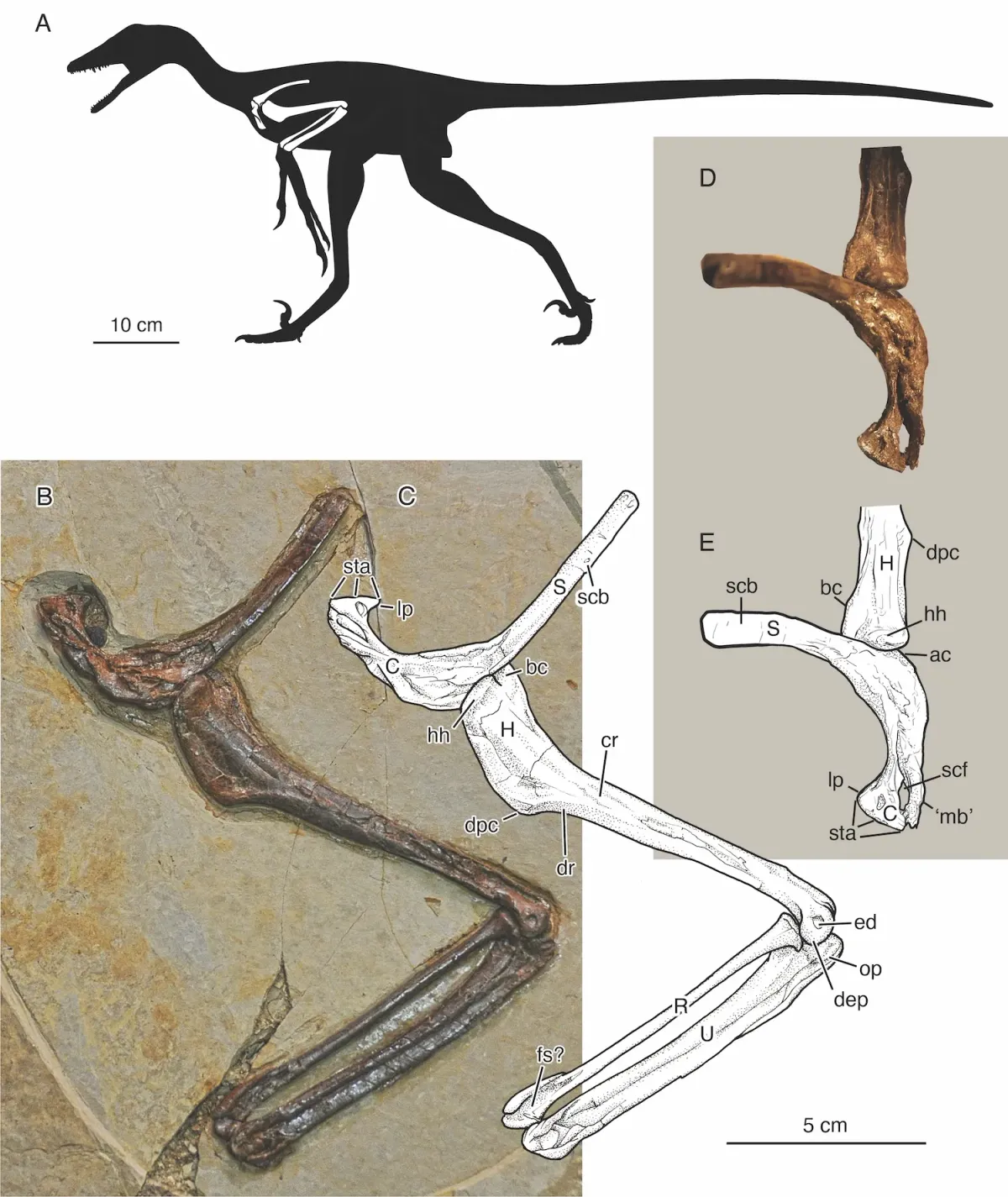
Matt Lamanna, another study co-author, noted that this discovery offers "critical new insight" into the Changma region's ancient past. "For decades, the Changma site has been renowned among paleontologists for its extraordinary bird fossils," Lamanna added. "Now, with the discovery of Jian, we finally know what was eating them." Mystery solved. And it turns out the culprit was a four-winged, gliding Velociraptor cousin. Just another day in ancient China.