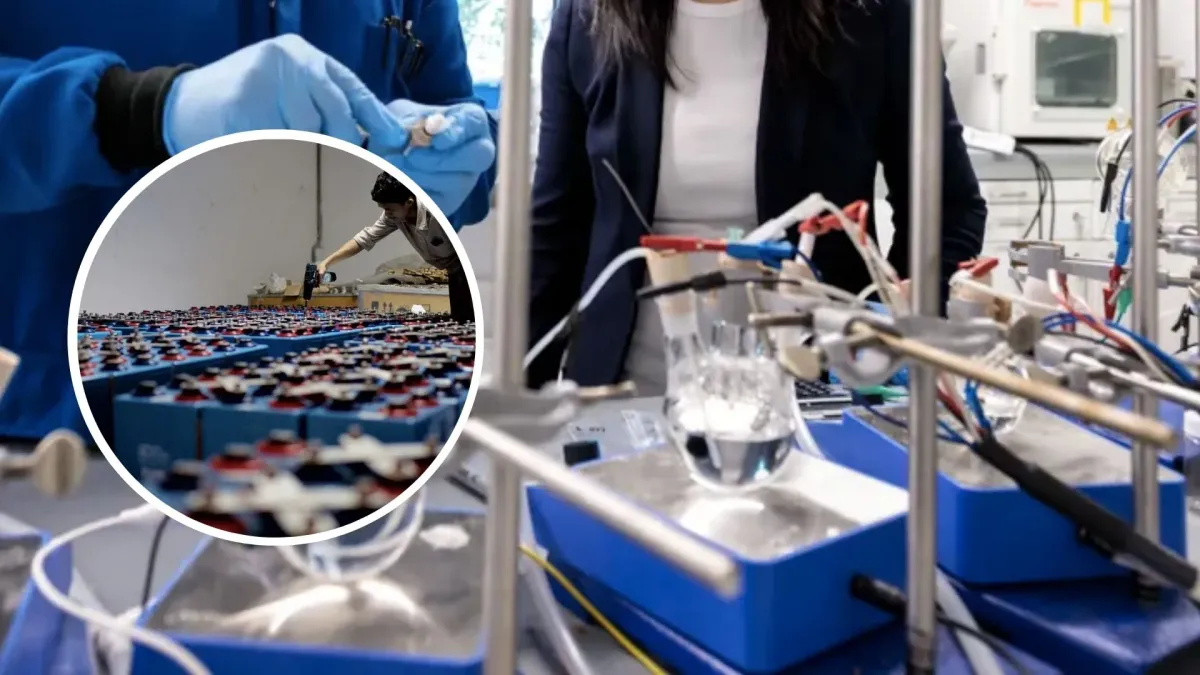
Imagine trying to pick out a single blueberry from a swimming pool full of tiny, identical-looking cranberries. That's essentially the challenge of extracting lithium. Now, imagine doing it with 99% accuracy, even when there are 1,000 times more cranberries than blueberries. That's what scientists at the University of Chicago Pritzker School of Molecular Engineering just pulled off.
They’ve developed an electrochemical method that extracts lithium at an astonishing 99% purity, even when sodium — lithium's much more common, nearly identical twin in the chemical world — is present in massive quantities. This is a big deal, considering sodium is usually the party crasher that makes lithium extraction a messy, inefficient affair.
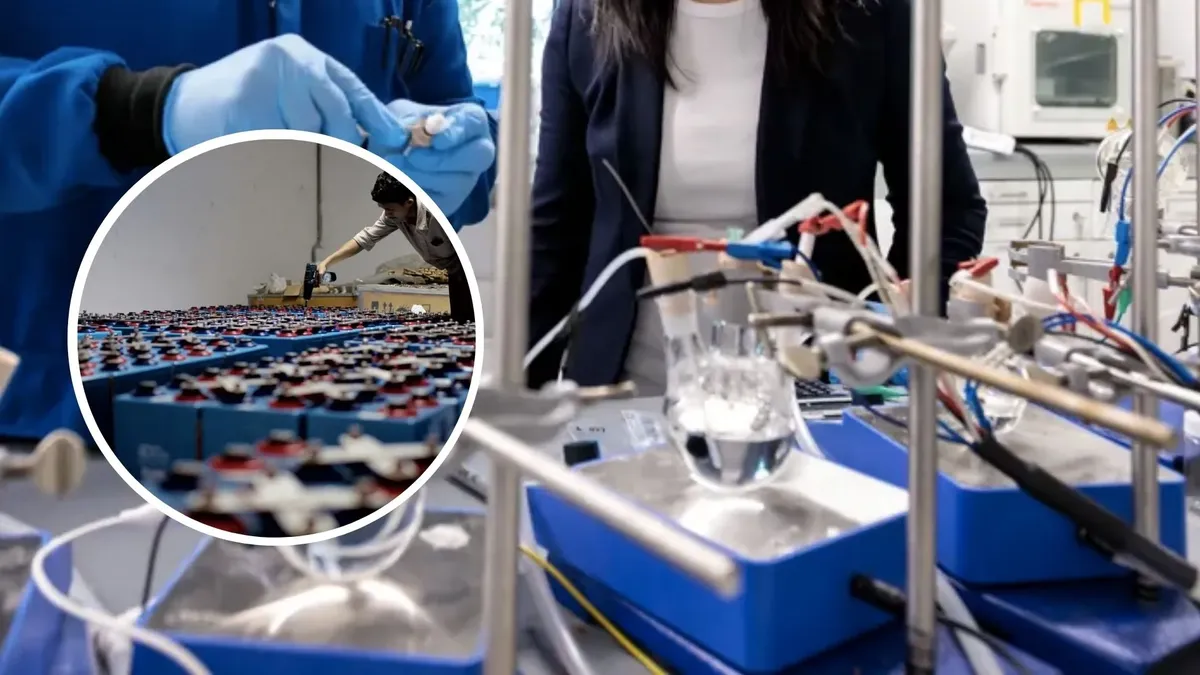
The Secret Sauce: Electrochemical Intercalation
How'd they do it? With a technique called electrochemical intercalation. If that sounds like something out of a sci-fi movie, don't worry. It's basically using electricity to gently coax ions (like lithium) into the tiny spaces between layers of another material. Think of it like a very precise, electric-powered game of Jenga for molecules.
We're a new kind of news feed.
Regular news is designed to drain you. We're a non-profit built to restore you. Every story we publish is scored for impact, progress, and hope.
Start Your News DetoxPrevious methods for pulling lithium from water were a bit like trying to catch minnows with a fishing net designed for whales. The pathways let in lithium, sure, but they also let in everything else, especially the abundant sodium ions that are almost the same size and charge. Grant Hill, the paper's first author, put it simply: the goal is to create materials that are super picky about which salts they let through.
What the team discovered is that the tiny ion pathways in layered materials (specifically, a type of cobalt oxide) are controlled by two competing forces. One force is the electrical current pushing ions in, and the other is the natural tendency of those ions to find balance. It’s like trying to fill a parking lot (the material's internal structure) where cars (lithium ions) are trying to park, but a bunch of identical-looking, slightly pushier cars (sodium ions) keep trying to squeeze in and fill up the spots.
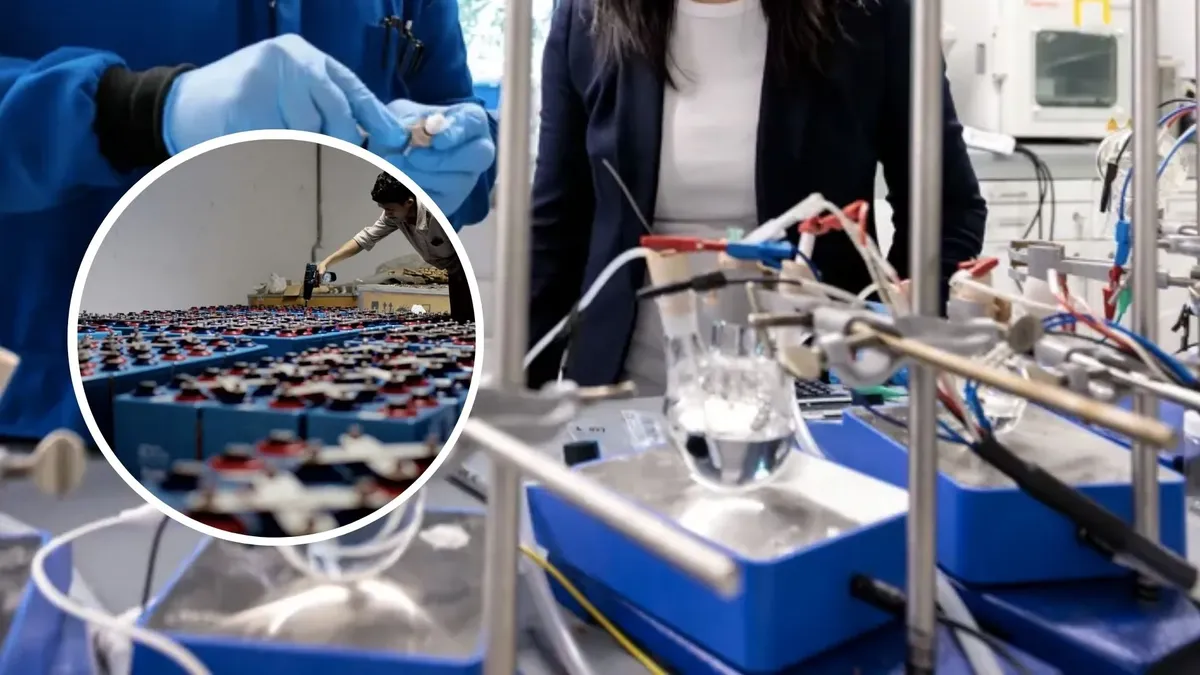
By carefully optimizing the size of the lithium ions and balancing these two reactions, the researchers found they could control the process. They could make the material reversible, allowing them to pump ions in slowly enough for the lithium to get in, and for the sodium to get politely shown the door.
This isn't just a win for pure science; it's a massive leap for practical, cleaner lithium extraction. Current methods are, to put it mildly, not great for the planet. We're talking about melting ore with huge amounts of acid or letting millions of gallons of saltwater evaporate in massive brine pits under the sun. This new electrochemical method could be a much more elegant, environmentally friendly solution for getting our hands on the precious metal that powers our phones, cars, and, well, pretty much everything else. Now, if only they could do the same for finding your keys.