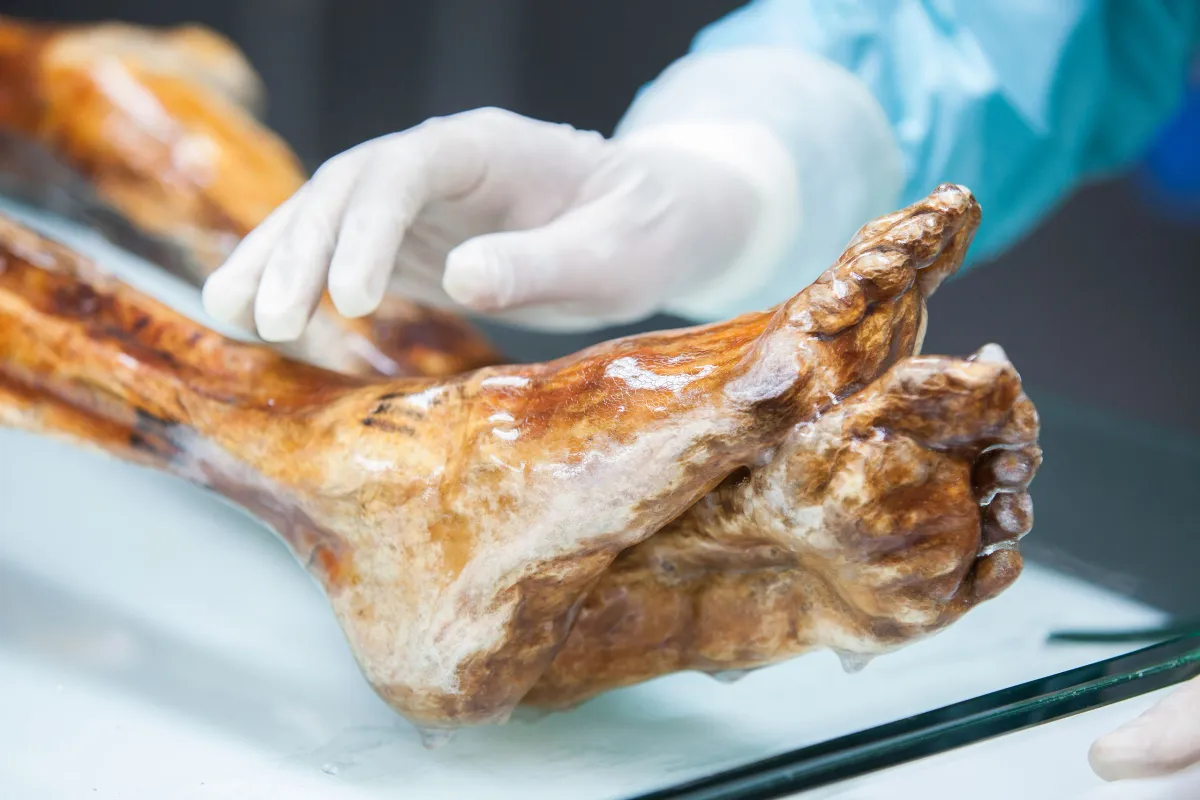
For over 5,000 years, Ötzi the Iceman has carried an invisible world of microbes. Scientists have now taken a close look at these tiny organisms. They wanted to find out which microbes were with Ötzi when he was alive and which ones joined him later.
Researchers used many genetic and microbiological methods. They found traces of bacteria from Ötzi’s original gut in his internal tissues. They also discovered cold-loving yeasts that likely came from the glacier where he was found. These yeasts are still with the mummy today.
The findings were published in the journal Microbiome. They show new details about how ancient remains are preserved. They also reveal how microorganisms survive in very cold places.
We're a new kind of news feed.
Regular news is designed to drain you. We're a non-profit built to restore you. Every story we publish is scored for impact, progress, and hope.
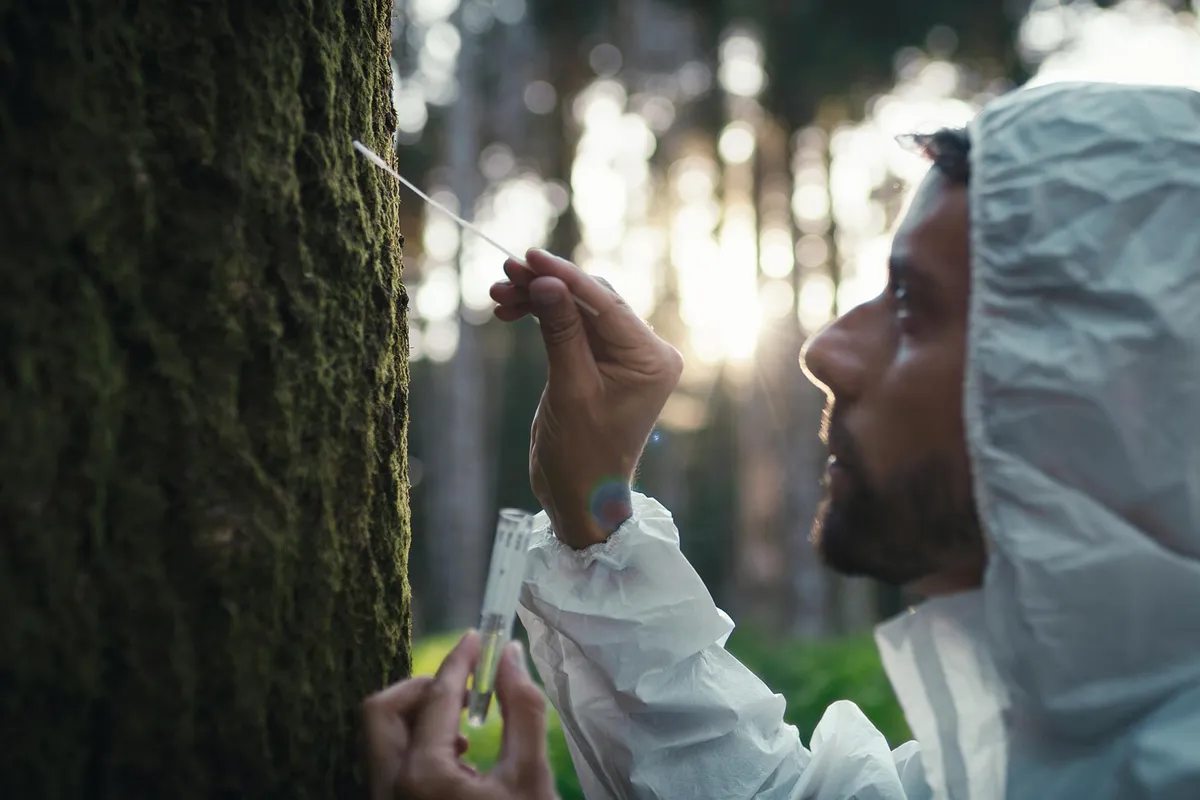
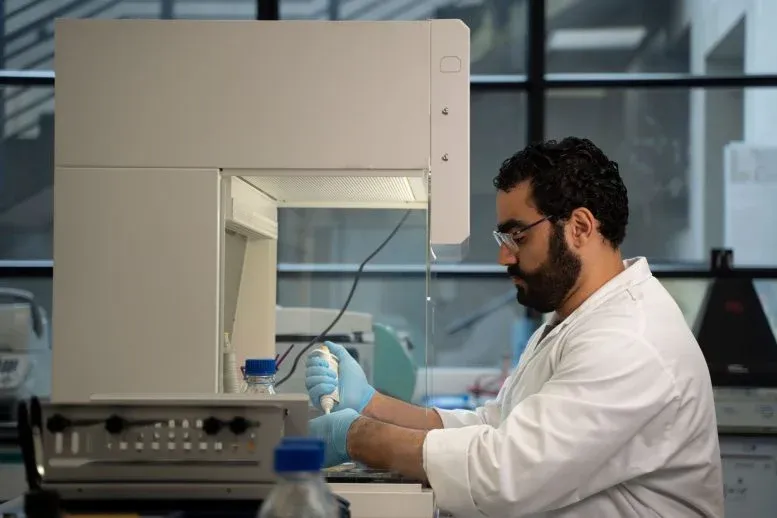
Start Your News DetoxThe study involved many different samples. Researchers looked at surface ice, meltwater from inside the mummy, and many swab samples. They also used information from earlier studies of Ötzi's gut tissue and stomach contents. To understand the environment better, they even checked a soil sample from where Ötzi was discovered in 1991.
Scientists also found genetic signs of Ötzi's original gut microbiome in his intestinal tissue and stomach. This group of microbes is similar to those found in early human populations. These types of microbes are rare in people living in modern societies. This makes Ötzi a valuable source of information about ancient human microbiomes.
Cold-Loving Yeasts from the Glacier
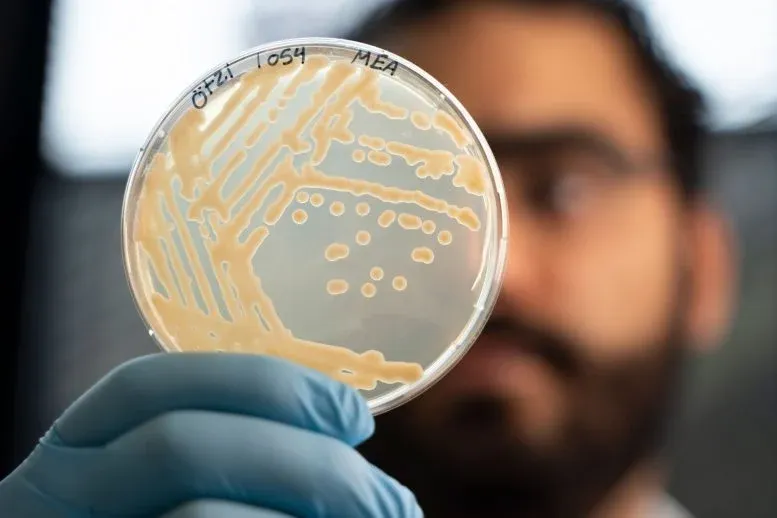
The newly found yeasts came from Ötzi's skin, meltwater inside the mummy, and stomach contents. These special organisms thrive in cold conditions. Genetic tests showed they are related to yeasts found in very cold places, like Antarctica. This suggests the yeasts came from the glacier and have stayed with the mummy for thousands of years.
Researchers found both old, broken-down DNA and newer, well-preserved DNA.
These findings suggest these microorganisms are not just old remnants. They seem to survive in the mummy's current storage conditions of minus 6 degrees Celsius (21.2 degrees Fahrenheit) and high humidity. They might be in a dormant state.
Frank Maixner, director of the Institute for Mummy Studies at Eurac Research, said these yeasts have been with Ötzi for millennia. He noted that the mummy is "not a static relic, but a dynamic biological system."
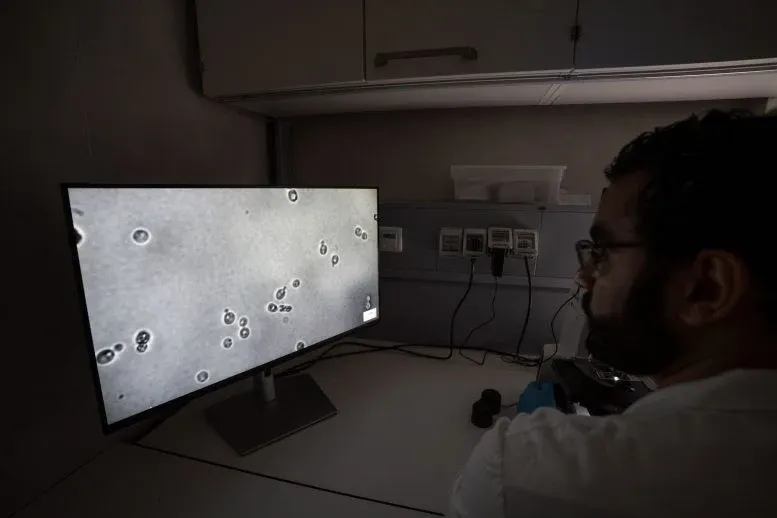
The study also showed that past preservation treatments might have helped some microorganisms grow. Three of the four yeast species have genes that let them break down phenol. Phenol was used after Ötzi was found to remove fungus from his surface. The yeasts might have used it as food.
Mohamed S. Sarhan, a microbiologist and lead author, explained that a mummy's microbiome is unique. It contains microbes over 5,000 years old and modern microbes introduced since its discovery.
What This Means for Preservation
Elisabeth Vallazza, director of the South Tyrol Museum of Archaeology, said the mummy's preservation conditions are very stable now. She noted that close monitoring ensures the mummy is not damaged. However, more research and conservation efforts are needed to preserve it for future generations.
Marco Samadelli, a conservation expert and coauthor, added that the conditions for preserving glacial mummies are not fully understood. This study helps expand that knowledge.
Beyond improving preservation, these findings could have practical uses. Cold-adapted microorganisms might be used in energy-efficient industrial processes, such as low-temperature fermentation.
Deep Dive & References
The Iceman’s microbiome: unveiling millennia of microbial diversity and continuity - Microbiome, 2026